
Ceramic Shakyamuni Buddha Statue: Handcrafted Earth-Touching Buddha with Alms Bowl (6.9 in)
-
Free shipping on all orders. Estimated delivery: 5–10 business days (U.S., Germany & U.K.), 10–16 business days (international).
-
Return within 60 days of purchase. Shipping & Return

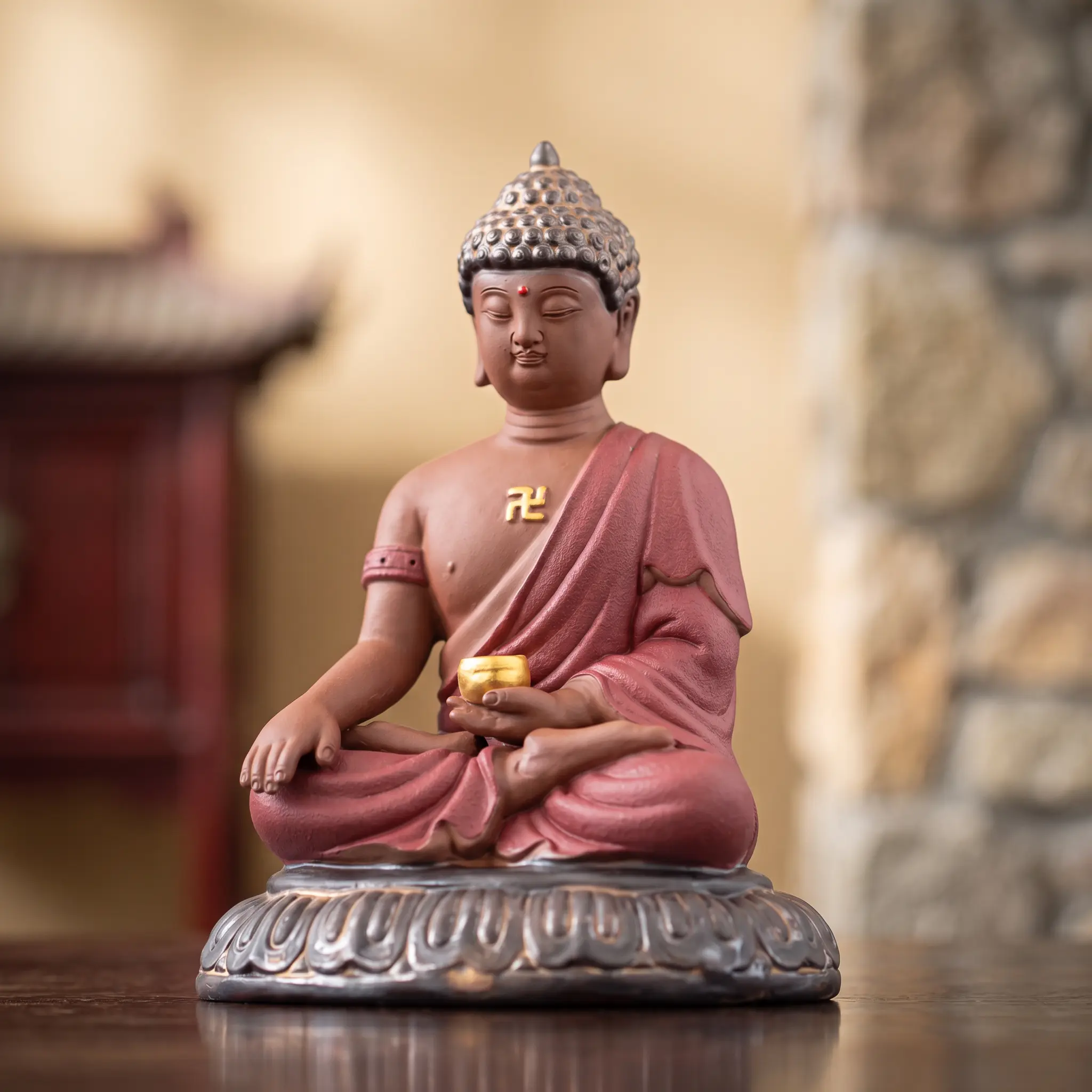
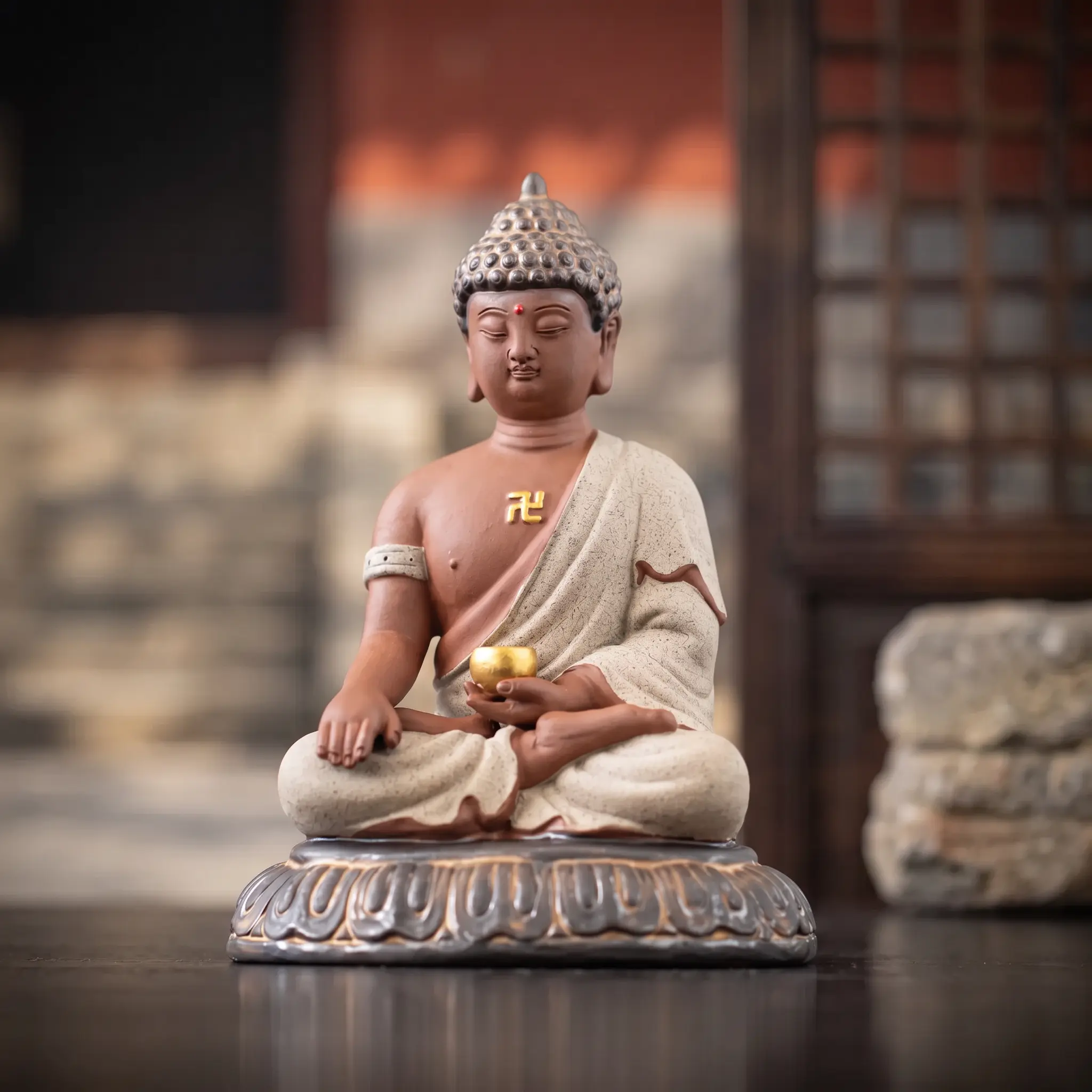
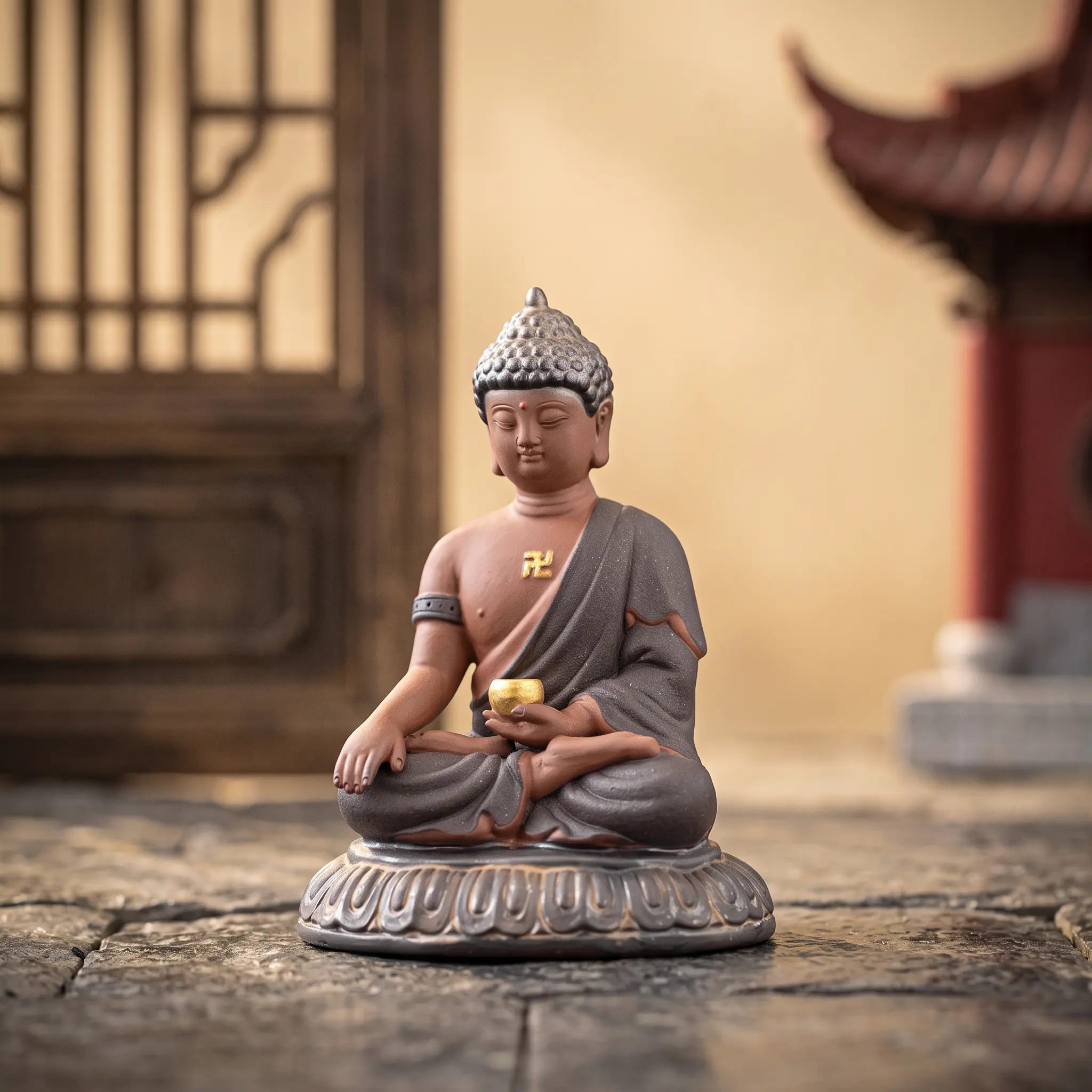
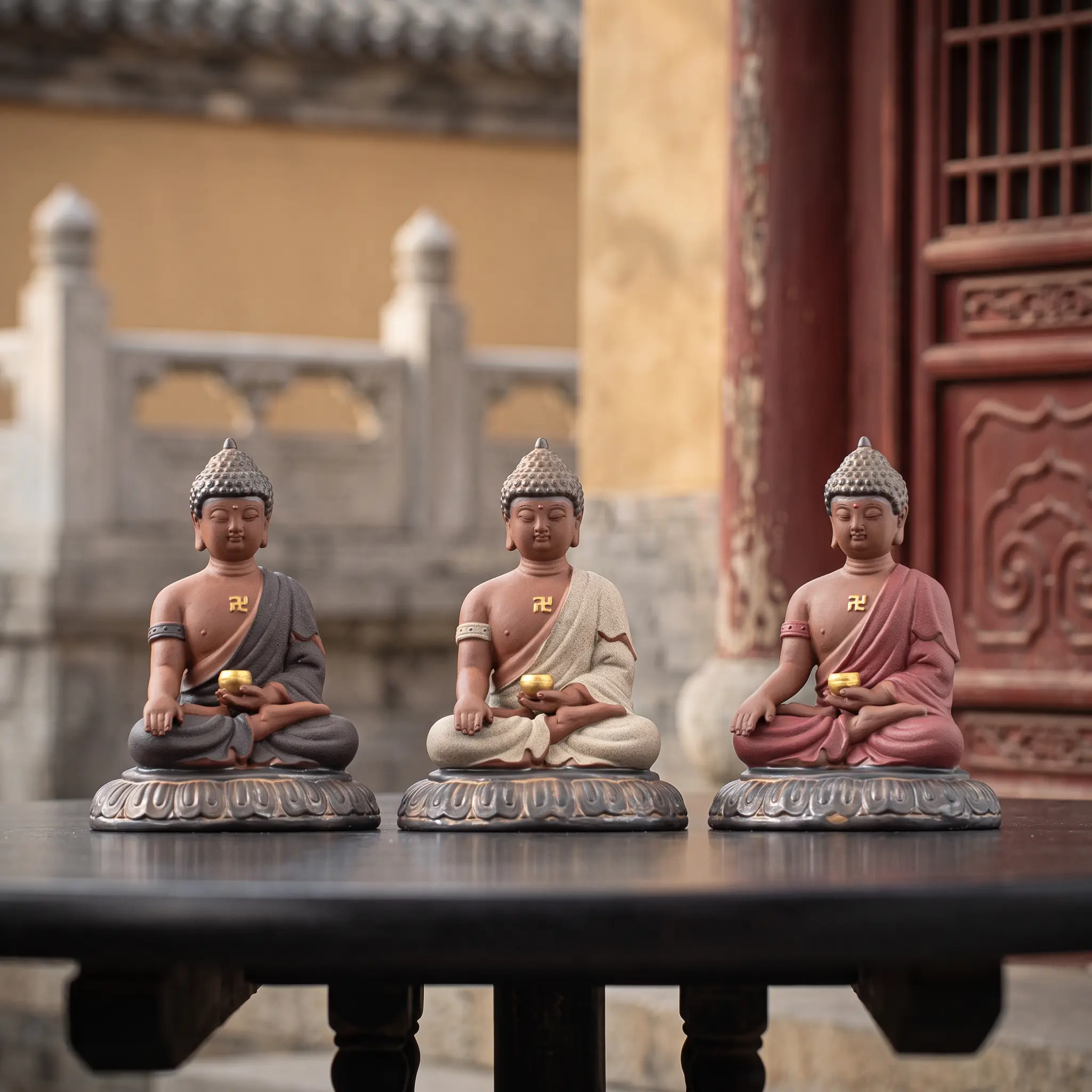
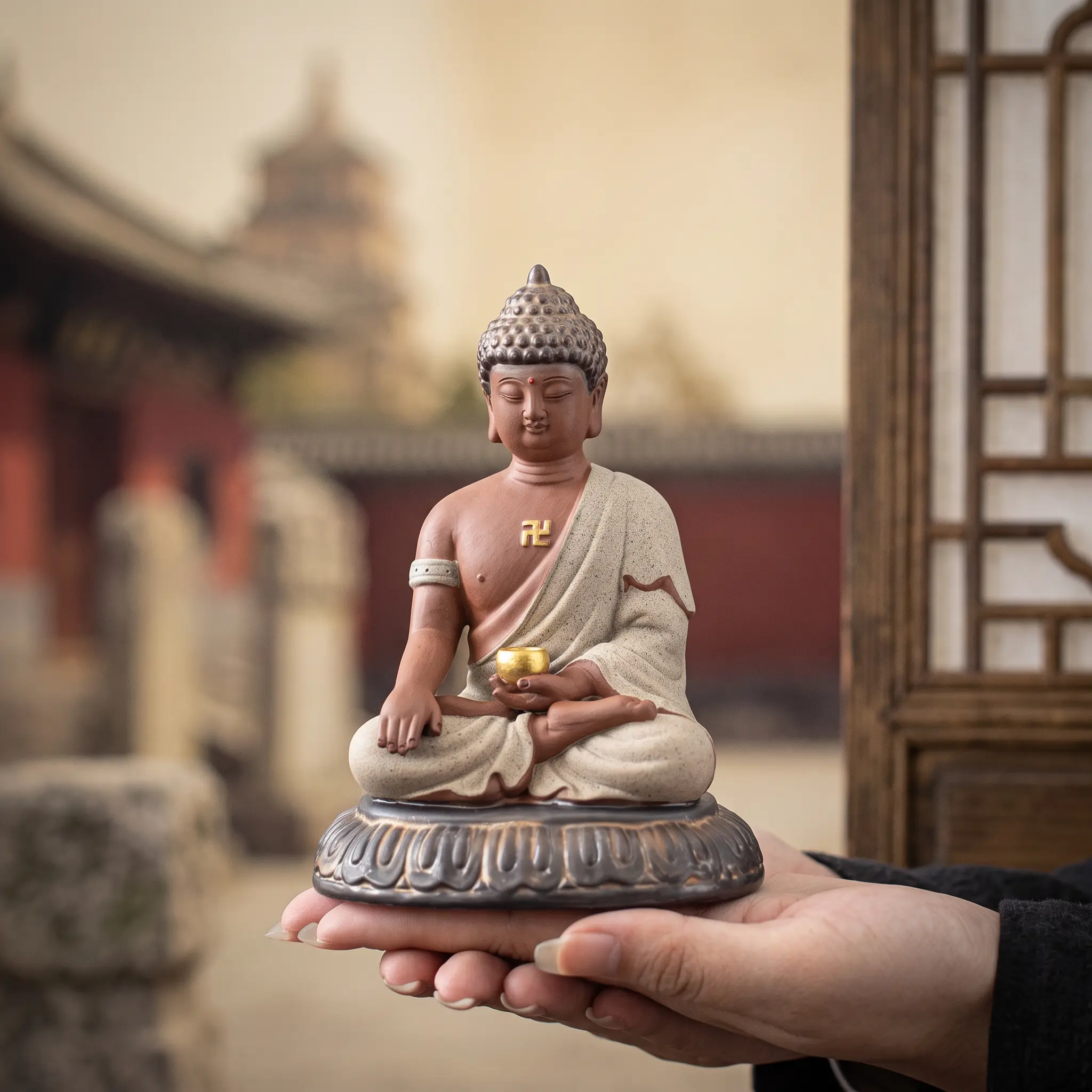
This is Shakyamuni, the historical Buddha, seated in meditation. One hand reaches toward the earth. The other holds a small gold bowl. He rests on a layered lotus base. At 6.9 in (17.5 cm), this hand-finished ceramic figure fits your desk, shelf, or a quiet corner you want to keep calm.
At shaolinstore, we build our collection around Chan (Zen) Buddhism and Shaolin culture. Chan is the meditation school that grew from the Shaolin tradition in China. Tradition credits the monk Bodhidharma with bringing its teaching to Shaolin Temple on Mount Song, in Henan. We choose pieces that stay true to that spirit: still in form, honest in material, and clear in meaning. Like our spiritual jewelry, this statue is made to be used daily, not just admired.
Key Features
- Handcrafted ceramic: Each piece is shaped and finished one at a time, so the face, robe folds, and base keep their detail.
- Earth-touching pose with alms bowl: The classic Shakyamuni pairing, with a gold bowl in the left hand.
- Layered lotus pedestal: Raised petals with gold-toned edges give the base weight and depth.
- Balanced seated form: Calm, symmetrical, and uncluttered. Proportion does the work, not ornament.
- Three finishes: Charcoal, Rose Red, and Cream.
- Compact size: Easy to place on a shelf, desk, cabinet, or side table.
Read the Statue: What Each Detail Means
Every detail on this figure has a job. Here is what you are looking at.
| Detail | Where to look | Traditional meaning |
|---|---|---|
| Earth-touching hand (bhumisparsha) | Right hand, resting toward the earth | The moment of awakening, when the Buddha asked the earth to witness it. It stands for steady resolve. |
| Alms bowl | Left hand | Monastic simplicity. Take what you need, and no more. |
| Urna | Red dot on the forehead | Inner insight. |
| Ushnisha | Textured curls and raised crown | A sign of an awakened mind. |
| 卍 symbol | Gold mark on the chest | An ancient Buddhist mark of good fortune and well-being. |
| Lowered eyes | Face | Attention turned inward. |
| Lotus base | Pedestal | Purity rising from muddy water. |
Notice what is missing: no crown, no jewels, no wish-granting gestures. Shakyamuni is not a lucky charm. He is a portrait of one decision: to sit, stay, and see clearly. That is why this figure relies on proportion, surface, and silhouette instead of decoration.
Craftsmanship & Material
This statue is made from high-quality ceramic and shaped by hand. The face, robe folds, seated posture, and base are finished individually to keep their contours sharp. The face, hands, and chest show the clay’s matte, earthy tone. The robe and lotus base carry colored finishes with gold-toned accents.
Because it is hand-finished, small differences in glaze edges and clay tone are normal. They show the work of a person, not a machine. Your piece may look slightly different from the photos. We would rather tell you that now than have you find out later.
Choose Your Finish
| Finish | Mood | Pairs well with |
|---|---|---|
| Charcoal | Bold and understated | Dark wood, stone, modern studies |
| Rose Red | Warm and distinctive | Neutral shelves, lacquered or red-wood accents |
| Cream | Soft and neutral | Light walls, linen, pale oak |
Size & Placement
At 6.9 in (17.5 cm), this statue suits small spaces where a larger figure would feel heavy. For best results:
- Place it on: a desk, bookshelf, study table, display cabinet, or side table.
- Keep it high: at or above seated eye level, on a clean, stable surface away from edges.
- Avoid: the floor, bathrooms, spots near shoes, and cluttered or splash-prone areas.
Here is a simple way to use it. Put the statue where your day begins, like your desk. Before you open your laptop, take three slow breaths and look at the hand resting toward the earth. It takes about thirty seconds. Over time, that small pause becomes a habit, and the statue becomes its cue.
Decor or Devotion? Displaying It Respectfully
You do not need to be Buddhist to own this statue. What matters is how you treat it. Some Buddhists feel strongly that Buddha images should not be treated as props, and we take that view seriously.
Treat it as an image of a teacher, not as a novelty.
- Give it a clear, raised spot of its own.
- Skip joke items or party props around it.
- If you give it as a gift, add a short note on who Shakyamuni is.
Care for Your Ceramic Buddha
- Dust gently with a soft, dry brush or microfiber cloth.
- If needed, use a barely damp cloth with plain water, then dry right away.
- Keep the unglazed clay areas dry. Matte clay can absorb water and stains.
- Avoid chemical wipes, polish, and abrasives, especially on the gold accents.
- Lift it from the base with both hands.
Specifications
- Subject: Shakyamuni Buddha, earth-touching pose with alms bowl
- Material: Ceramic
- Craft: Hand-shaped and hand-finished
- Base: Layered lotus-style pedestal
- Height: Approx. 6.9 in (17.5 cm)
- Finishes: Charcoal, Rose Red, Cream
- Best for: Home interiors, studies, offices, display cabinets, art collections
Frequently Asked Questions
What does a Shakyamuni Buddha statue represent?
It represents Siddhartha Gautama, the historical Buddha, after awakening. The earth-touching hand and alms bowl on this piece are classic Shakyamuni signs.
What does the earth-touching hand gesture mean?
Called bhumisparsha, it recalls the moment the Buddha asked the earth to witness his awakening. It stands for resolve that does not move.
Why is the Buddha holding a bowl?
It is the alms bowl of monastic life. It reminds you of simplicity, humility, and taking only what you need.
What is the symbol on the Buddha’s chest?
It is the 卍 (wan), an ancient Buddhist symbol meaning good fortune and well-being. The word swastika comes from the Sanskrit for “well-being.” It has no connection to the 20th-century Nazi emblem, which misused the shape.
Is it disrespectful to have a Buddha statue if I’m not Buddhist?
Generally no, if you display it with care. Keep it raised and clean, and do not treat it as a novelty.
Where should I place a Buddha statue at home?
On a clean, raised surface such as a shelf, desk, or cabinet. Never on the floor or in a bathroom.
How do I clean a ceramic Buddha statue?
Dust it gently. Use a barely damp cloth only if needed, and dry it right away. Keep unglazed clay dry and avoid chemicals.
What is the difference between Shakyamuni, Amitabha, and the Laughing Buddha?
Shakyamuni is the historical teacher, often shown earth-touching. Amitabha is the Pure Land Buddha. The Laughing Buddha (Budai) is a separate figure linked to good fortune.
| Style | Charcoal, Cream, Rose Red |
|---|
Related Products
Aged Copper Meditating Buddha Statue with Mud-Gold Finish
Original price was: $350.95.$298.95Current price is: $298.95.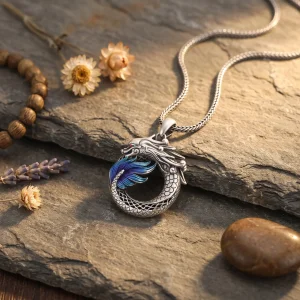
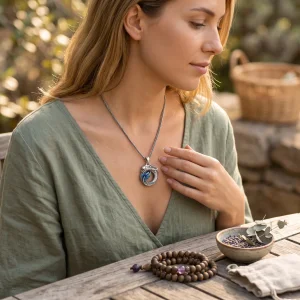
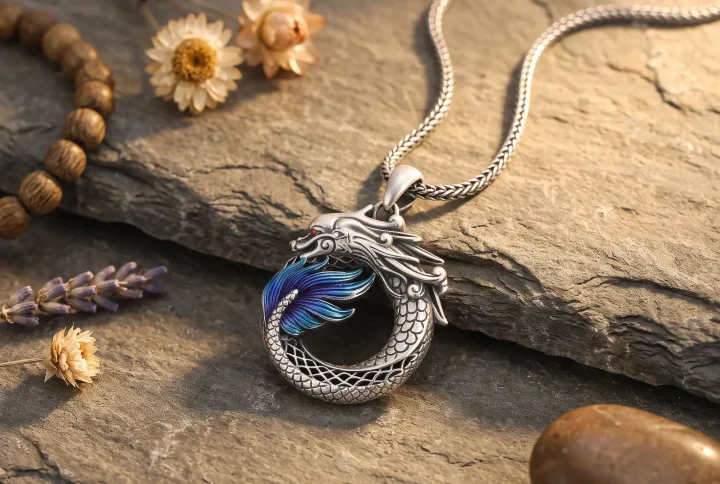
Dragon & Phoenix Pendant Necklace: 999 Fine Silver Loong & Fenghuang with Artisan Enamel
Price range: $388.95 through $706.95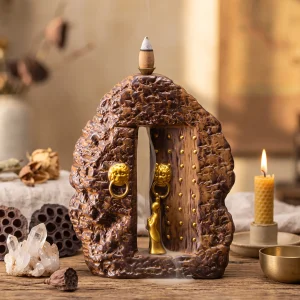

"Serene Gateway" Ceramic Backflow Incense Burner
Original price was: $89.95.$76.95Current price is: $76.95.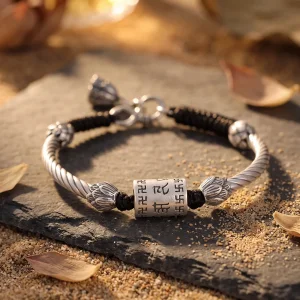
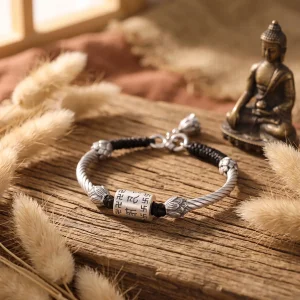
Vintage Silver over Copper Om Mani Padme Hum Woven Cord Bracelet
Original price was: $63.95.$58.95Current price is: $58.95.Recently Viewed Products
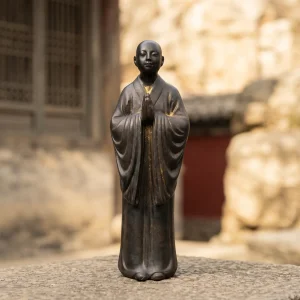
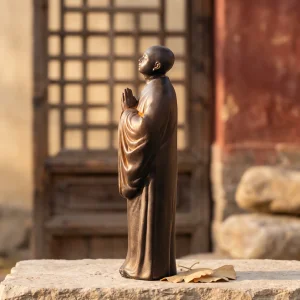
Iron Buddha Statue – Reclaimed Shaolin Iron for Mindfulness & Inner Peace
Original price was: $102.95.$88.95Current price is: $88.95.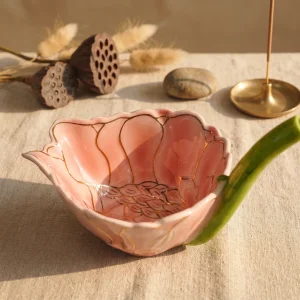
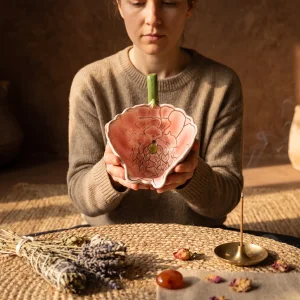
Handcrafted Lotus Stem Straw Cup: Pink Ceramic Lotus Sipping Cup with Gold Detailing (4.6 oz)
Original price was: $250.95.$230.95Current price is: $230.95.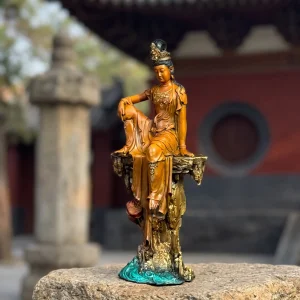
The "Royal Ease" Guanyin Sculpture | Handcrafted Solid Copper Art for Mindful Living
Original price was: $426.95.$388.95Current price is: $388.95.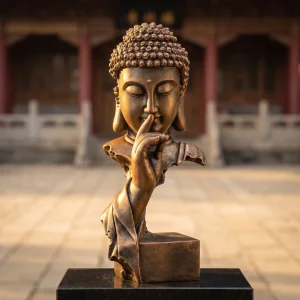
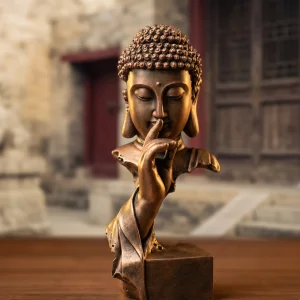
Shaolin Quiet Sakyamuni Statue: Bronze-Tone Qingsha Stone Buddha Bust with Silence Gesture
Original price was: $250.95.$195.95Current price is: $195.95.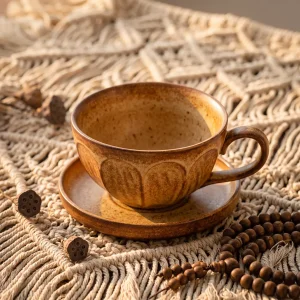
Petal Relief Ceramic Cup: Vintage-Glazed 8.8 oz Pottery Cup With Saucer Option
Original price was: $108.95.$89.95Current price is: $89.95.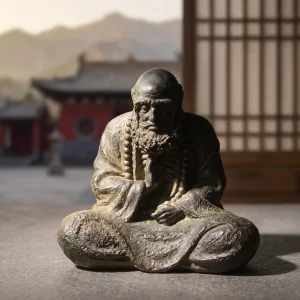
Bodhidharma Stone Statue – Handcrafted Seated Damo Zen Sculpture
Original price was: $136.95.$122.95Current price is: $122.95.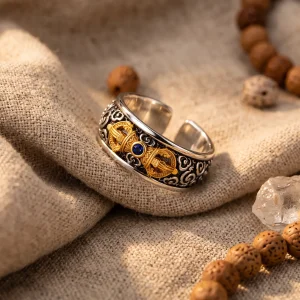
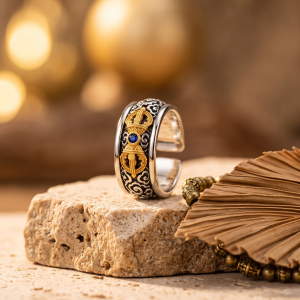
Vajra Ring: Shaolin-Blessed Adjustable Silver Dorje Ring with Gold-Tone Vajra & Blue Stone
Original price was: $135.95.$120.95Current price is: $120.95.
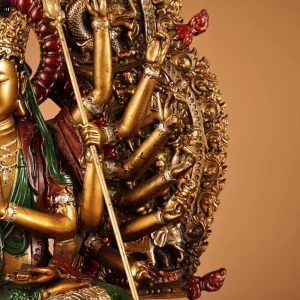
Multi-Armed Guanyin Copper Statue – 15.75 in Hand-Painted Avalokiteshvara Sculpture
Original price was: $960.95.$920.95Current price is: $920.95.
Reviews
There are no reviews yet.