
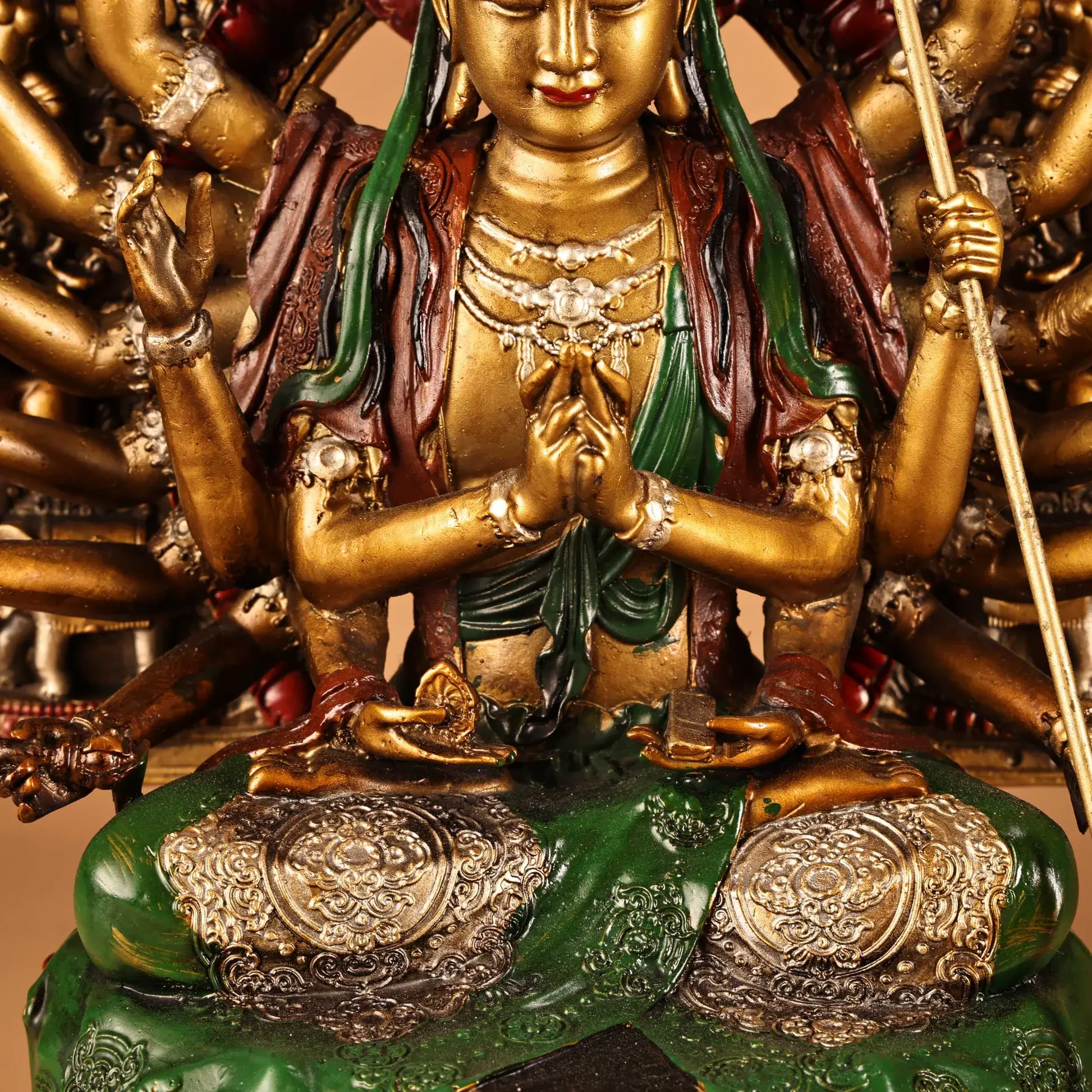
Multi-Armed Guanyin Copper Statue – 15.75 in Hand-Painted Avalokiteshvara Sculpture
-
Free shipping on all orders. Estimated delivery: 5–10 business days (U.S., Germany & U.K.), 10–16 business days (international).
-
Return within 60 days of purchase. Shipping & Return

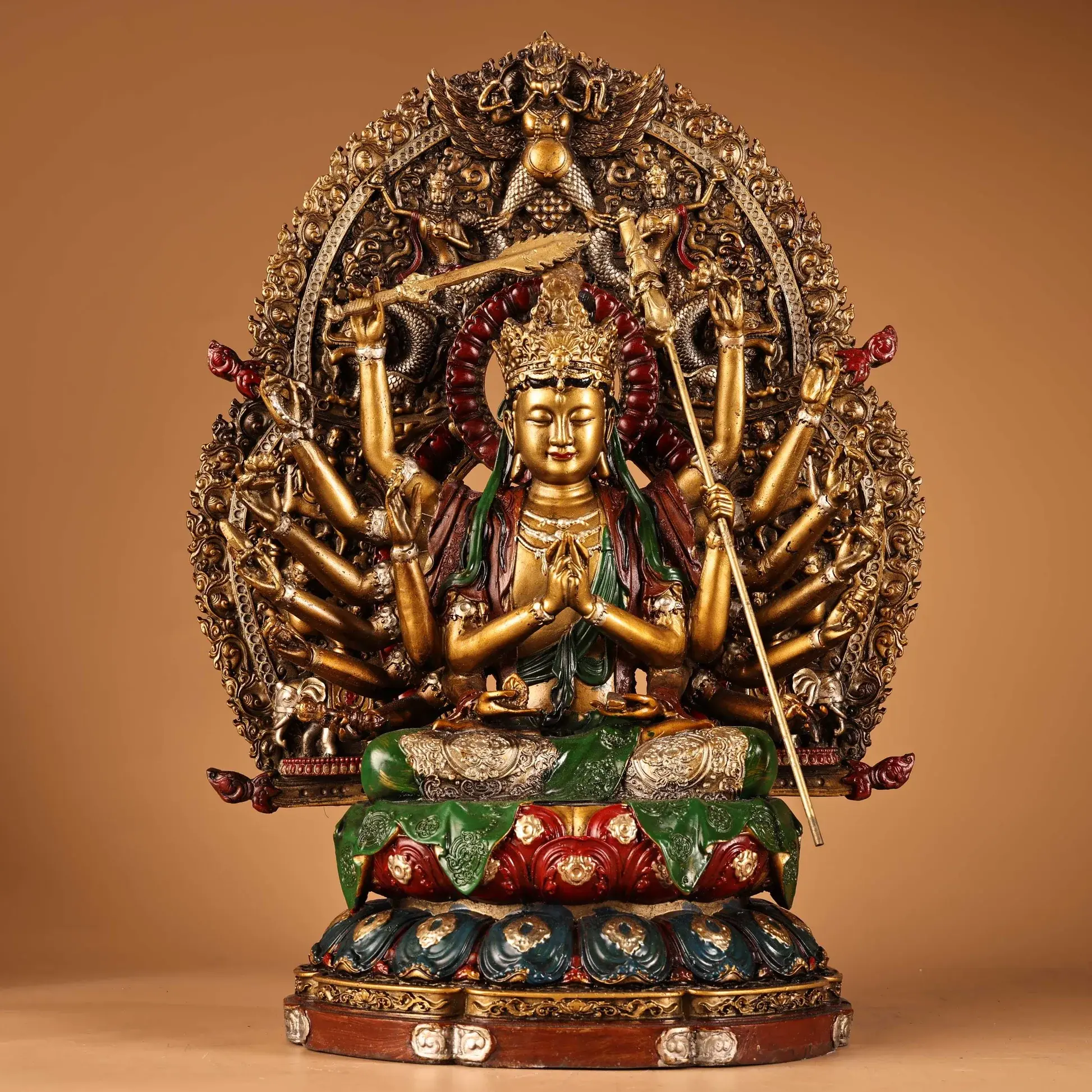
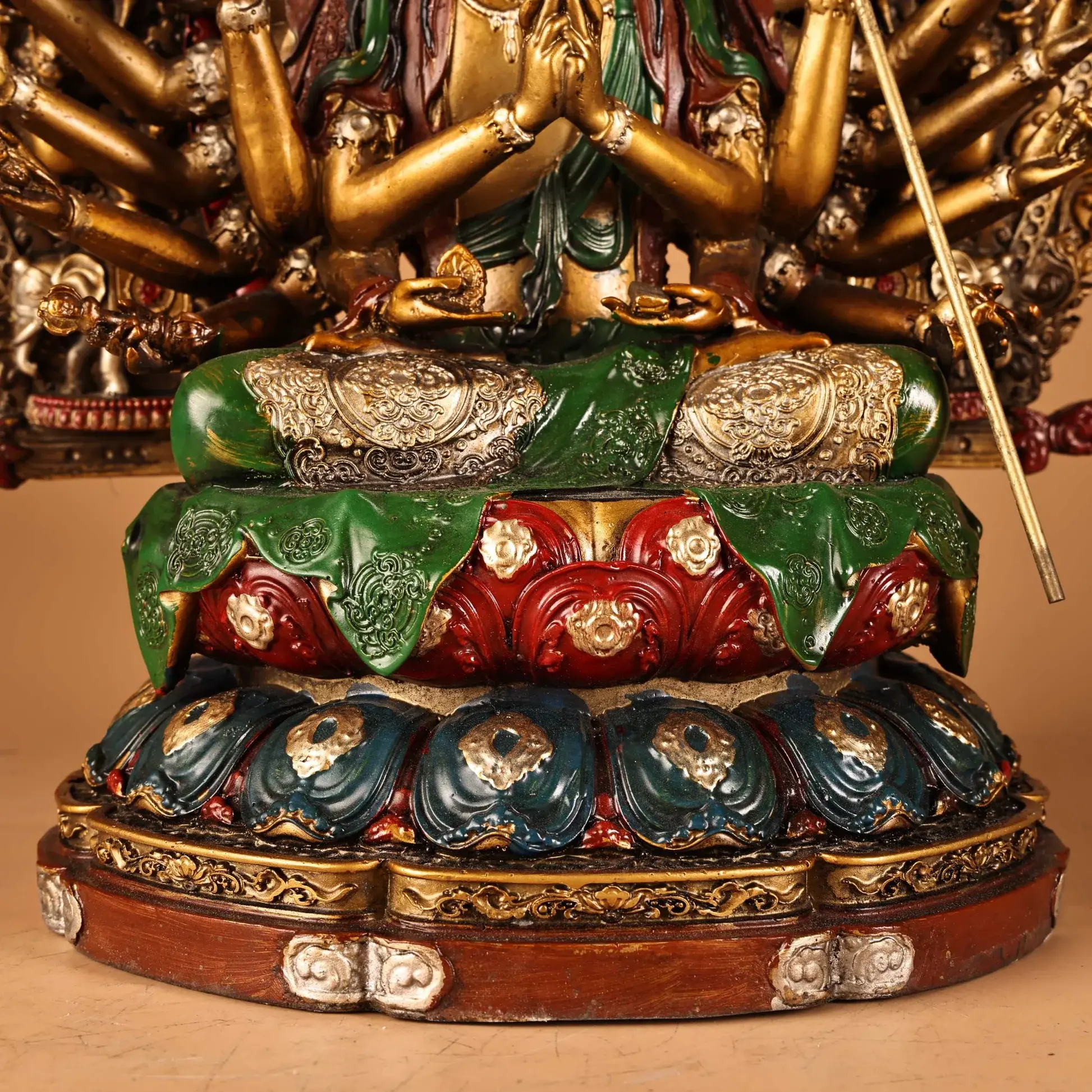
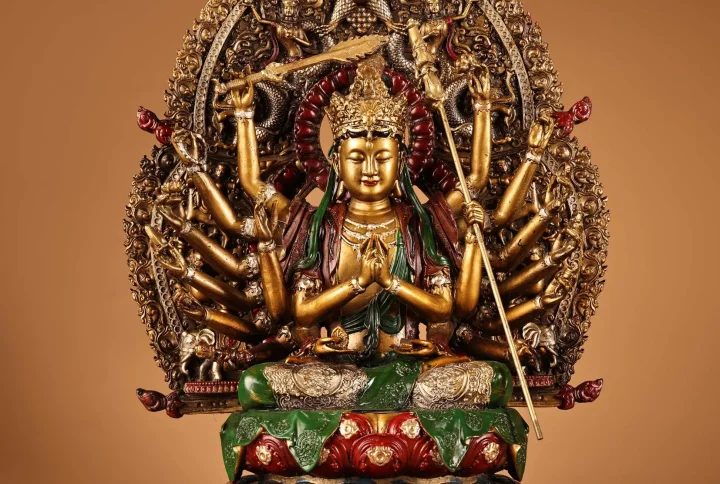
You want an altar piece that does more than look good. This multi-armed Guanyin copper statue brings a calm, compassionate presence into your space. It is cast in copper, hand-painted in red, green, blue and aged tones, and finished with gold-toned highlights. At 15.75 in tall and 12.57 lb, it is made to anchor a room, a shrine or a collection.
Key Specifications
| Material | Cast copper |
|---|---|
| Design | Multi-armed Guanyin (Avalokiteshvara), seated |
| Height | Approx. 15.75 in (40 cm) |
| Width | Approx. 11.02 in (28 cm) |
| Weight | Approx. 12.57 lb (5.7 kg) |
| Finish | Hand-painted color, antique-style shading, gold-toned detailing |
| Craftsmanship | Hand-painted, hand-finished details |
What This Guanyin Statue Shows
Every part of this piece carries meaning. Here is what you are looking at.
Why Guanyin Has Many Arms (and Why Statues Rarely Carve 1,000)
In the traditional story, the bodhisattva of compassion vowed to free every being from suffering. The task felt endless, so Amitabha Buddha gave the bodhisattva a thousand arms to help. That is the origin of the thousand-armed Guanyin.
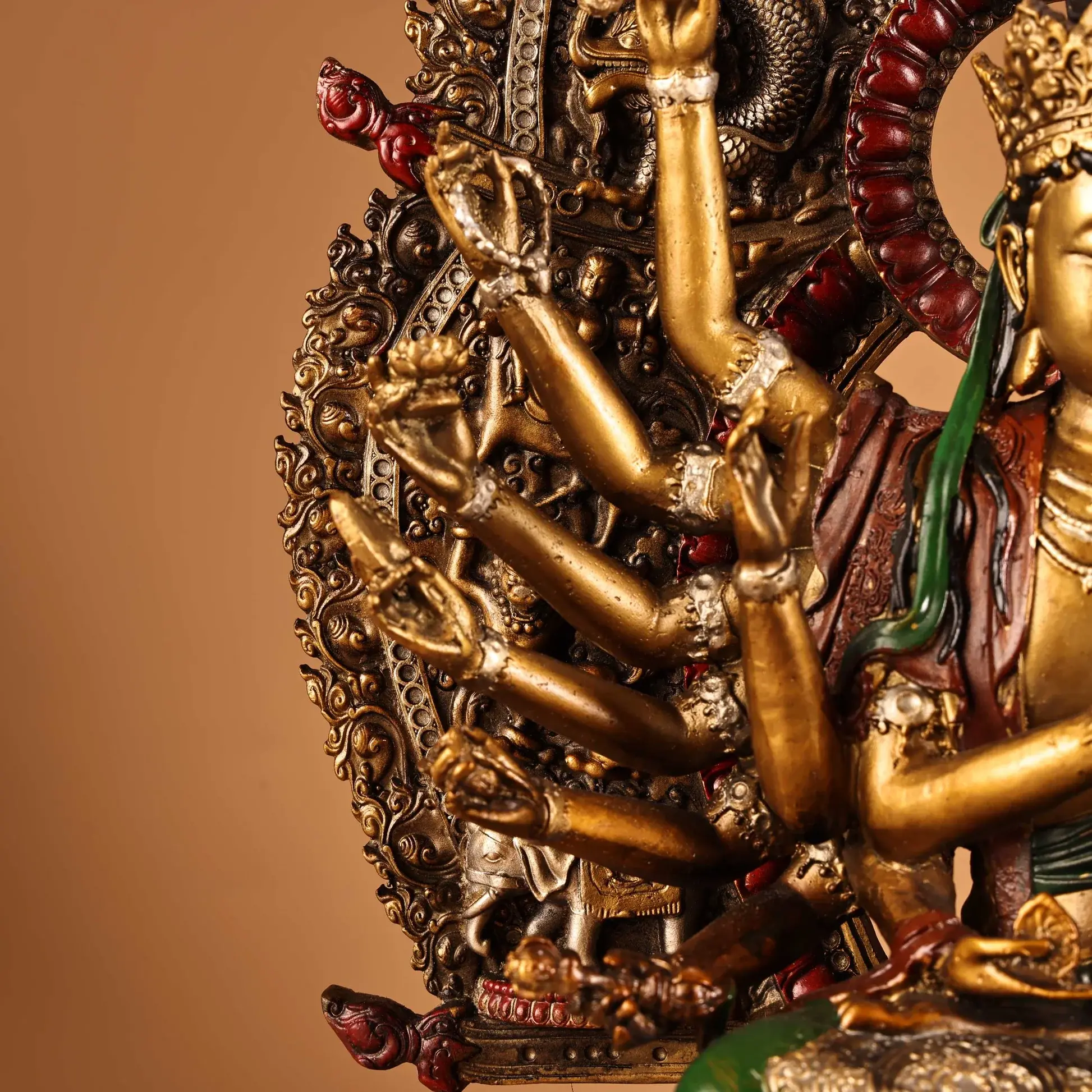
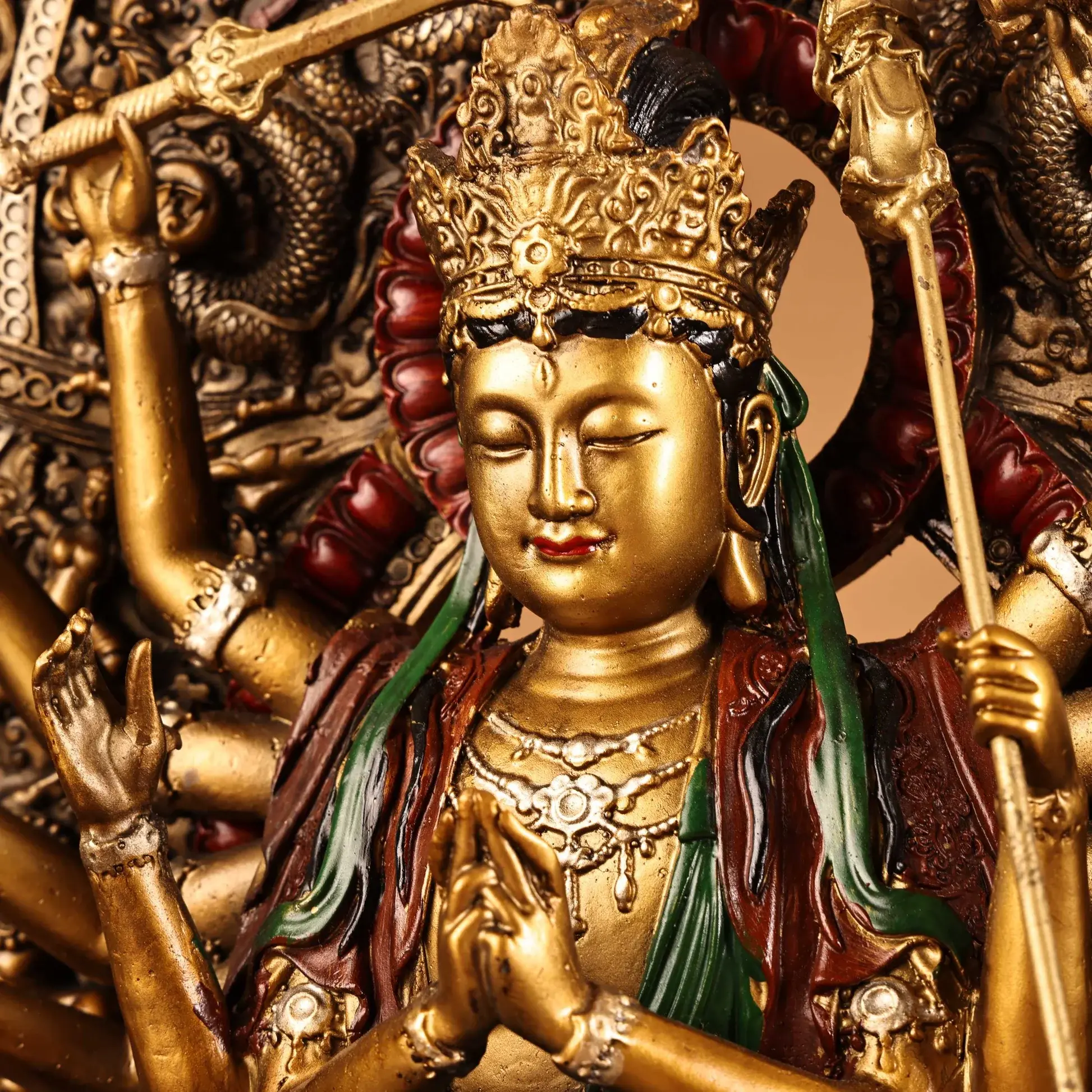
In practice, sculptors rarely carve all 1,000. Many statues use a fan of arms instead, and 42 is a long-standing convention. This statue follows that tradition: one serene face, with arms rising on both sides.
The Hands at the Heart
The central hands are joined in anjali mudra, the gesture of reverence. Below them, two hands rest in the lap in a meditation posture. Together they say something simple: start with stillness.
Sword, Staff and the Fanned Arms
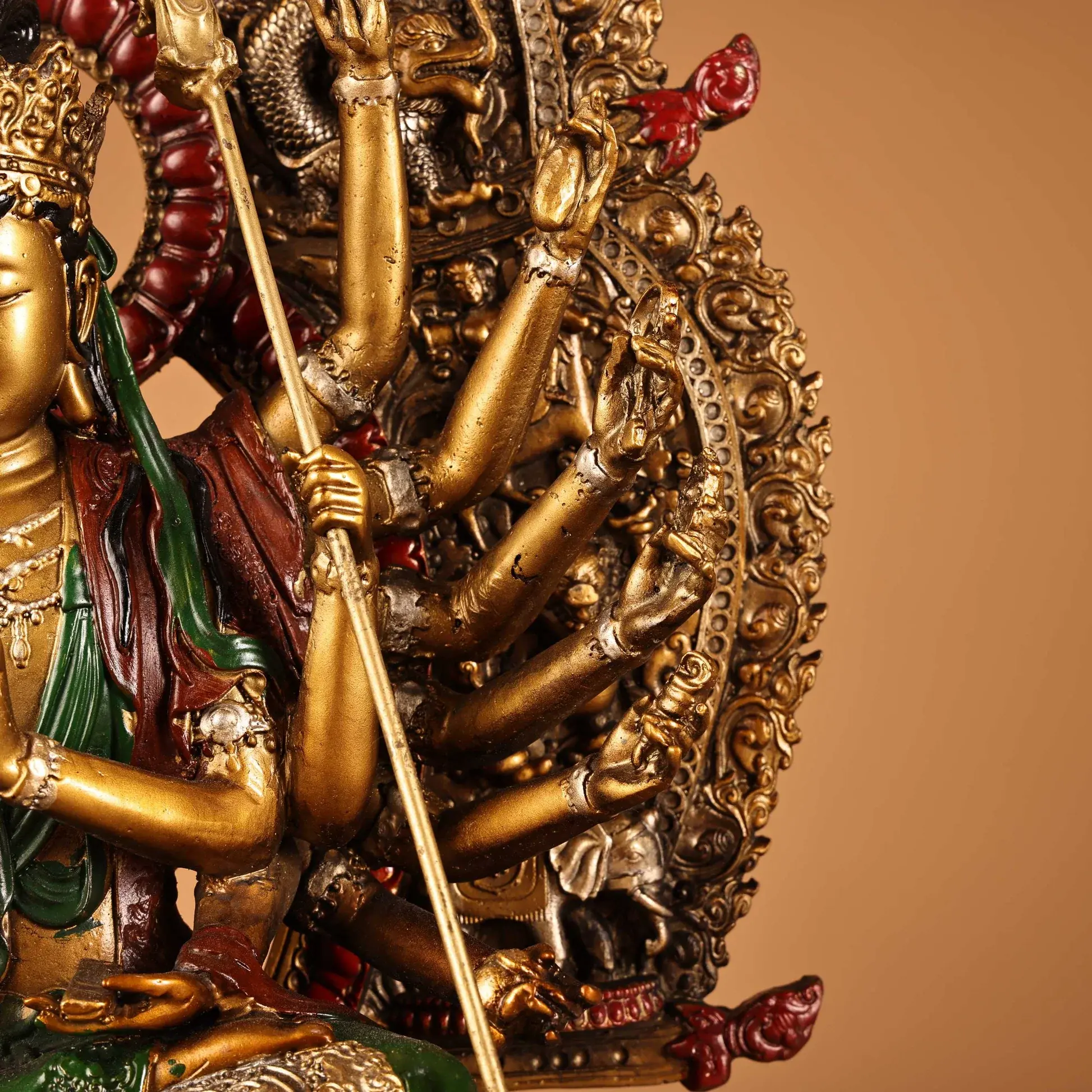
Look up and you will see a flame-edged sword in one raised hand and a long staff in another. In multi-armed forms, each hand’s object is traditionally read as a different way of helping, such as cutting through confusion or offering guidance. The remaining arms spread like a peacock’s tail, a comparison scholars have long used.
The Ornamented Halo and Garuda-Like Crest
Behind the figure, a deeply carved halo frames every arm. A garuda-like figure with outspread wings crowns the top, a motif traditionally placed at the peak of Buddhist throne-backs. Attendants, dragons and elephants fill the relief, so it rewards a closer look. A red inner halo draws your eye straight to the face.
The Layered Lotus Base
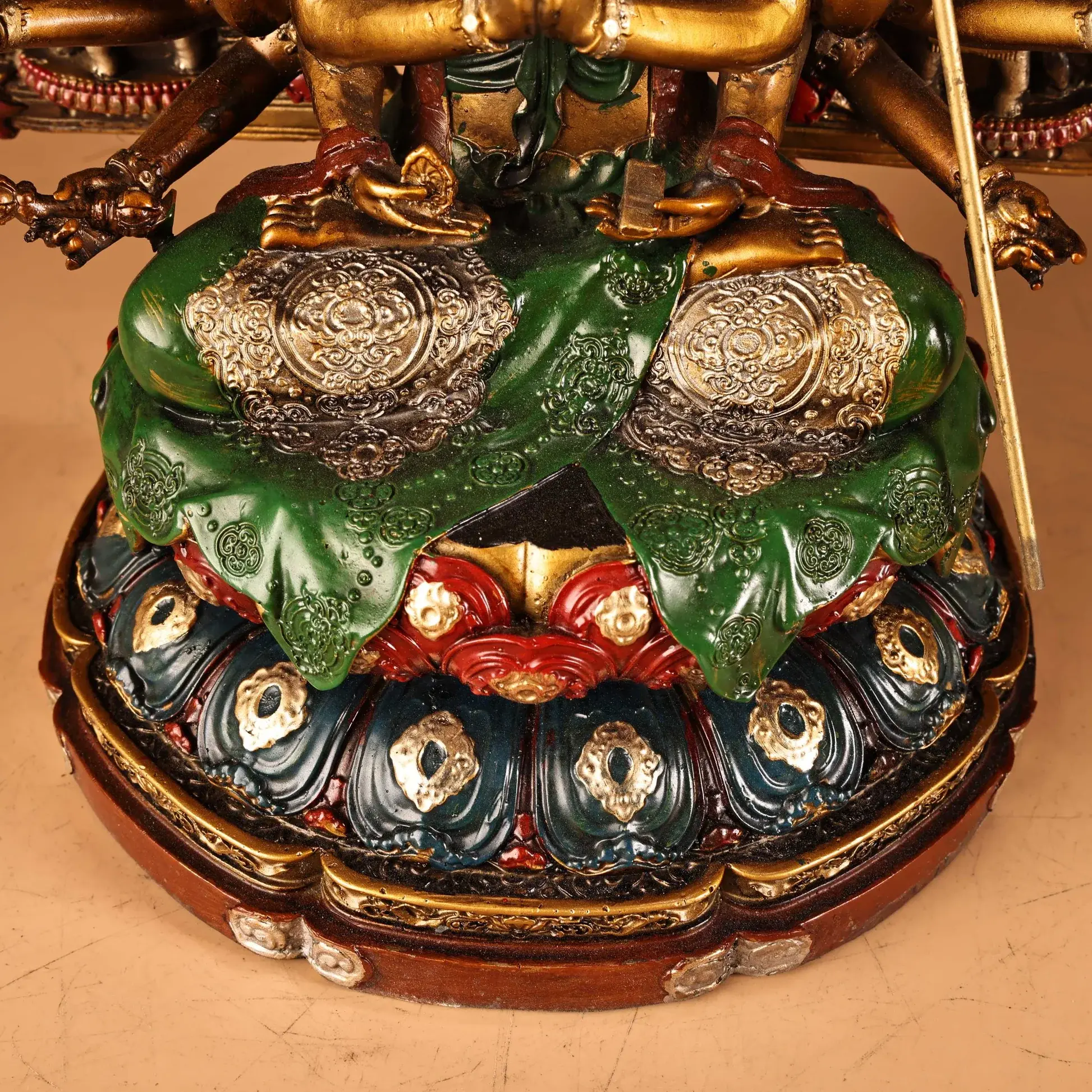
Tiered lotus petals in red, green and blue support the seat. The lotus stands for purity rising from muddy water. It also says, quietly, that clarity grows where life is messy.
Guanyin, Avalokiteshvara, Chenrezig: One Bodhisattva, Many Names
Searching under a different name? You are looking at the same bodhisattva:
- Avalokiteshvara: the Sanskrit name.
- Guanyin (also Kuan Yin, Quan Yin): the Chinese name, meaning one who perceives the world’s cries.
- Chenrezig: the Tibetan name.
- Kannon: the Japanese name.
Indian and Tibetan traditions usually show a male form. In China, from about the 12th century, Guanyin is more often shown as female. The calm, gender-neutral face here leaves both readings open. One note: a four-armed Chenrezig is a different form from this multi-armed figure.
Why It Fits a Chan (Zen) and Shaolin-Inspired Practice Space
At shaolinstore, our work draws on Chan Buddhism, the meditation tradition Shaolin Temple on Mount Song is known for. Guanyin sits close to that world. The Heart Sutra, chanted in Chan and Zen monasteries, opens with Avalokiteshvara practicing deep wisdom. This is not a decorative import. It is a figure at the center of Han Chinese Buddhist practice.
Chan points at the mind. Guanyin shows what a steady mind can do: listen first, then act with care.
Use it the way practitioners use any sacred image, as a reminder. Place it where you sit, breathe or begin your day. Pair it with a mala or bracelet from our Spiritual Jewelry collection to build a small, steady daily ritual.
Craftsmanship: Cast Copper, Hand-Painted Color
Why Copper
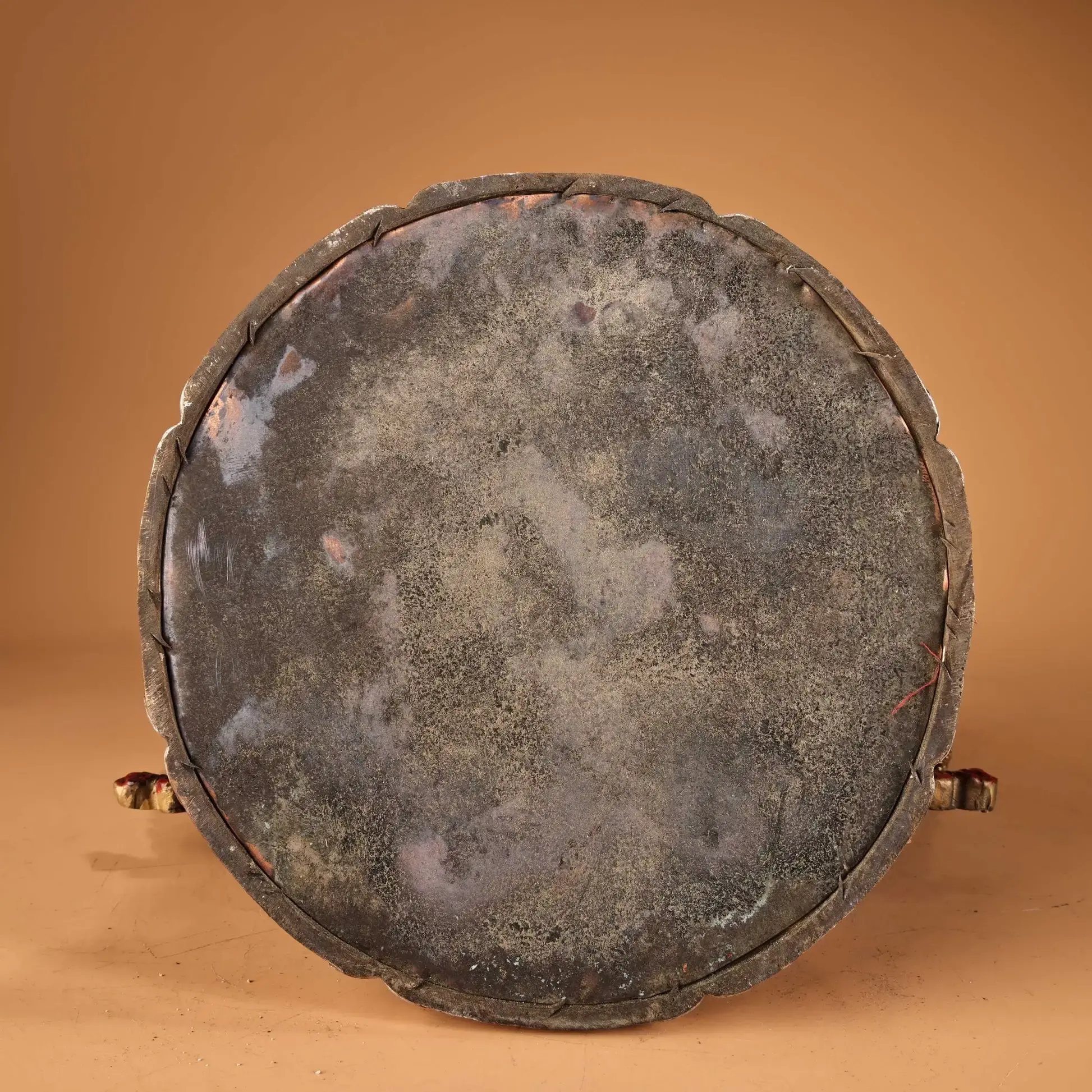
Copper holds fine relief well, so the crown, robe patterns and halo scrollwork stay crisp. The 12.57 lb weight tells you this is a substantial metal casting, not a light decorative piece.
What “Antique-Style” Means
Red, green, blue and aged tones are painted by hand, then shaded for depth. Gold-toned highlights pick out the face, crown, jewelry, garments and lotus base. Antique-style describes the finish, not the age. We would rather say that plainly. Because the details are hand-finished, small differences in color and shading are normal.
Size, Weight and Where to Display It
At 15.75 in tall and 11.02 in wide, it is about the height of a large table lamp. At 12.57 lb, it weighs roughly as much as 1.5 gallons of water. Choose a stable surface, not a floating shelf.
- Keep it clean, elevated and steady, ideally at chest-to-eye level.
- Face it into the room, with a wall behind it.
- Avoid floors, bathrooms and cooking areas.
- Traditions vary, so follow your own if you have one.
Caring for a Hand-Painted Copper Statue
Common copper-cleaning tips can ruin this finish. Lemon-and-salt scrubs and metal polish will lift paint. Do this instead:
- Dust with a soft, dry brush or a microfiber cloth.
- Skip water, polish, alcohol and household sprays.
- Lift it from the base, never by the halo or arms.
- Keep it indoors, away from direct sun and damp.
Tone changes over time are part of an aged-style surface. Don’t try to restore shine.
Is This Statue Right for You?
It is a good fit if you:
- Want a centerpiece for an altar, meditation room or study.
- Collect polychrome Buddhist sculpture.
- Need something larger than a tabletop figurine.
Look elsewhere if you want:
- Bare metal you can polish.
- An eleven-headed or four-armed form.
- A piece for outdoor use.
Frequently Asked Questions
Why does Guanyin have so many arms?
The arms symbolize boundless compassion: many hands for many beings. In the traditional story, Amitabha Buddha gave them to the bodhisattva.
Does this statue have a thousand arms?
No. Like most sculptures, it uses a fan of arms to suggest the thousand. It shows a single face.
Is Guanyin the same as Avalokiteshvara and Chenrezig?
Yes. It is one bodhisattva, named in Sanskrit, Chinese and Tibetan.
Is Guanyin male or female?
Both appear in art. Indian and Tibetan forms are usually male, while Chinese forms are often female. The face here is gender-neutral.
Where should I place a Guanyin statue at home?
Choose a clean, stable, elevated spot at chest-to-eye level, facing into the room.
Can I own a Guanyin statue if I’m not Buddhist?
Yes, if you treat it with respect as a sacred image, not a novelty. Consecration is not required for home display.
How do I clean a hand-painted copper statue?
Dust only, with a dry soft brush or microfiber cloth. Never use water, polish or alcohol.
What are the exact dimensions and weight?
About 15.75 in tall by 11.02 in wide (40 × 28 cm), and 12.57 lb (5.7 kg).
Ready to bring Guanyin’s calm into your space? Add the Multi-Armed Guanyin Copper Statue to your cart and give your daily practice a centerpiece with real presence.
Related Products
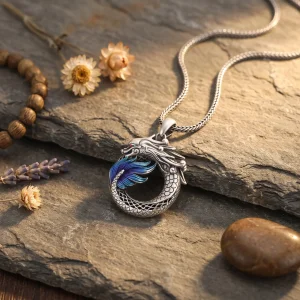
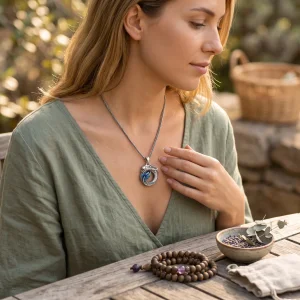
Dragon & Phoenix Pendant Necklace: 999 Fine Silver Loong & Fenghuang with Artisan Enamel
Price range: $388.95 through $706.95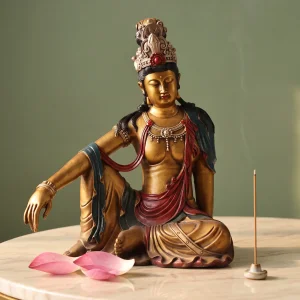
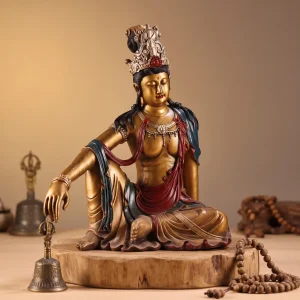
Seated Guanyin Statue – Painted Aged Copper Kwan Yin
Original price was: $493.95.$465.95Current price is: $465.95.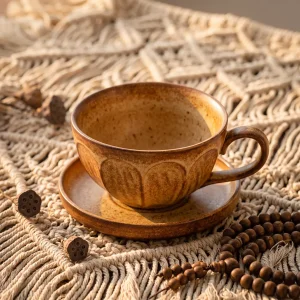
Petal Relief Ceramic Cup: Vintage-Glazed 8.8 oz Pottery Cup With Saucer Option
Original price was: $108.95.$89.95Current price is: $89.95.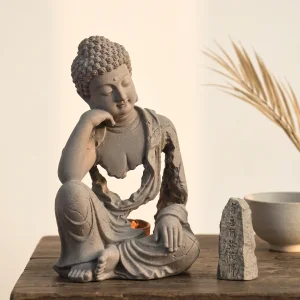
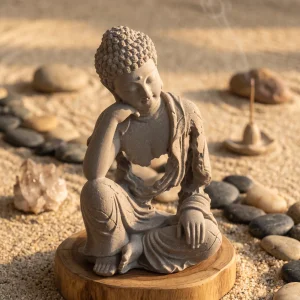
Sandstone Buddha Statue with Open-Center Tealight Display
Original price was: $120.95.$96.95Current price is: $96.95.Recently Viewed Products
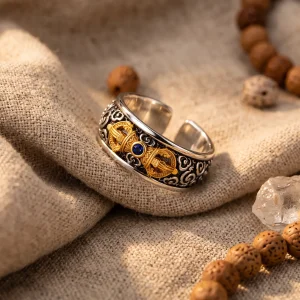
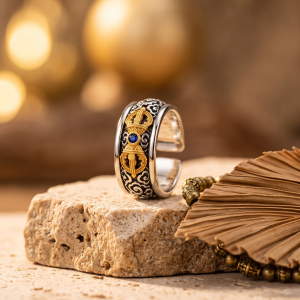
Vajra Ring: Shaolin-Blessed Adjustable Silver Dorje Ring with Gold-Tone Vajra & Blue Stone
Original price was: $135.95.$120.95Current price is: $120.95.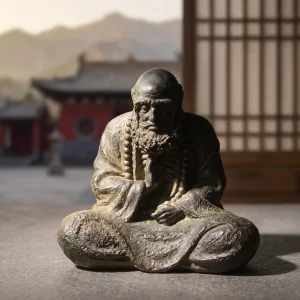
Bodhidharma Stone Statue – Handcrafted Seated Damo Zen Sculpture
Original price was: $136.95.$122.95Current price is: $122.95.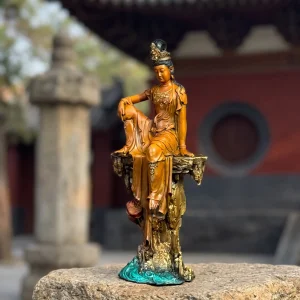
The "Royal Ease" Guanyin Sculpture | Handcrafted Solid Copper Art for Mindful Living
Original price was: $426.95.$388.95Current price is: $388.95.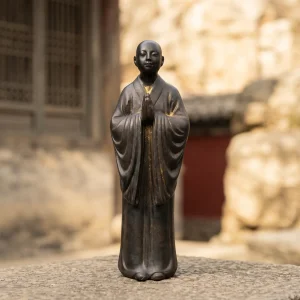
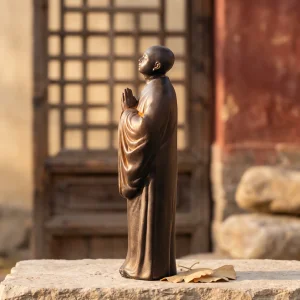
Iron Buddha Statue – Reclaimed Shaolin Iron for Mindfulness & Inner Peace
Original price was: $102.95.$88.95Current price is: $88.95.Sandstone Buddha Statue with Open-Center Tealight Display
Original price was: $120.95.$96.95Current price is: $96.95.Seated Guanyin Statue – Painted Aged Copper Kwan Yin
Original price was: $493.95.$465.95Current price is: $465.95.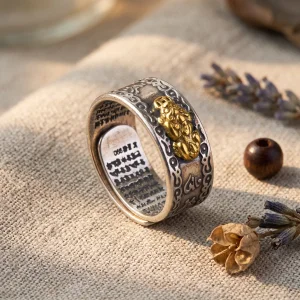
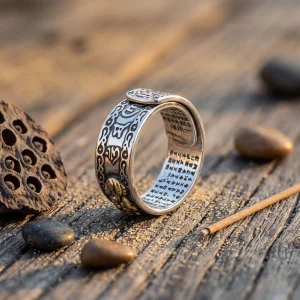
Feng Shui Pixiu Ring: 990 Silver Mantra Ring, Adjustable US 8–13
Original price was: $65.95.$46.95Current price is: $46.95.
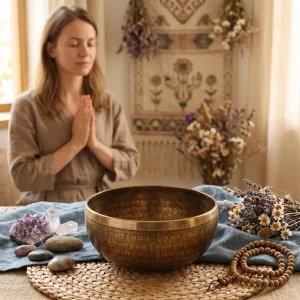
Hand-Hammered Bronze Singing Bowl: One Clear Tone to Begin Your Stillness
Price range: $278.95 through $588.95
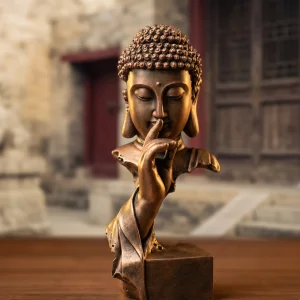
Shaolin Quiet Sakyamuni Statue: Bronze-Tone Qingsha Stone Buddha Bust with Silence Gesture
Original price was: $250.95.$195.95Current price is: $195.95.
Reviews
There are no reviews yet.