
Copper Beads Tibetan Bracelet, Blessed by Shaolin Monks
-
Free shipping on all orders. Estimated delivery: 5–10 business days (U.S., Germany & U.K.), 10–16 business days (international).
-
Return within 60 days of purchase. Shipping & Return

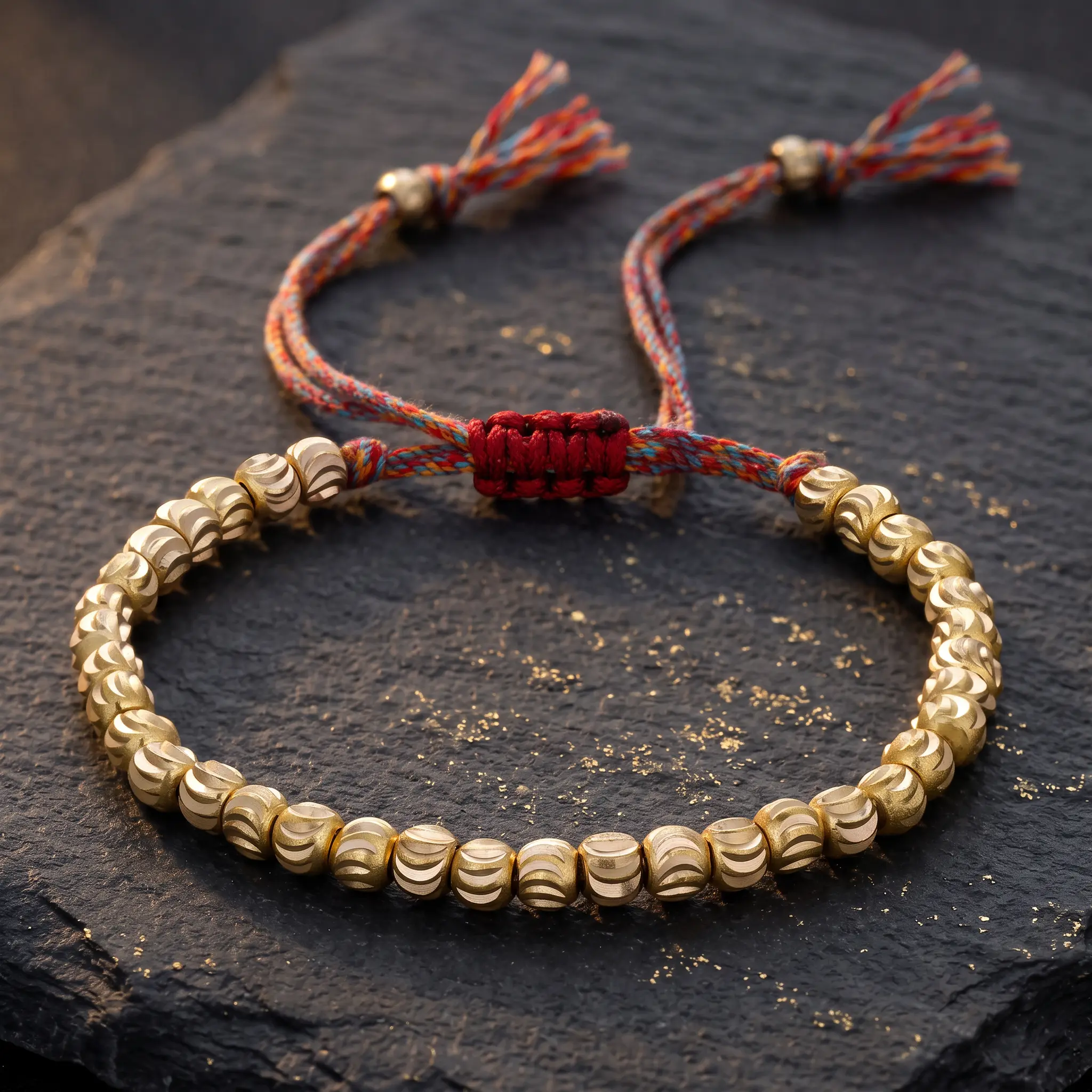
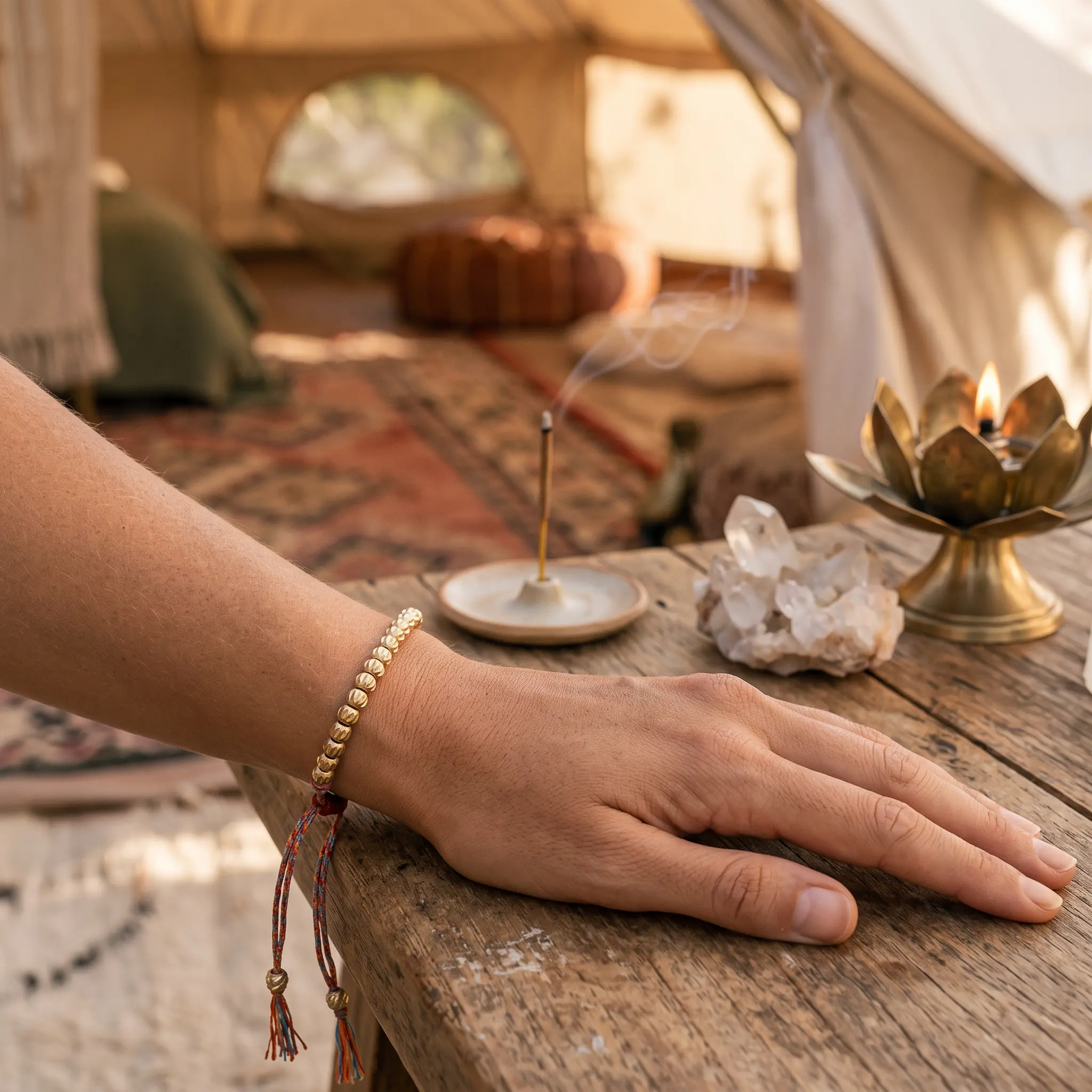
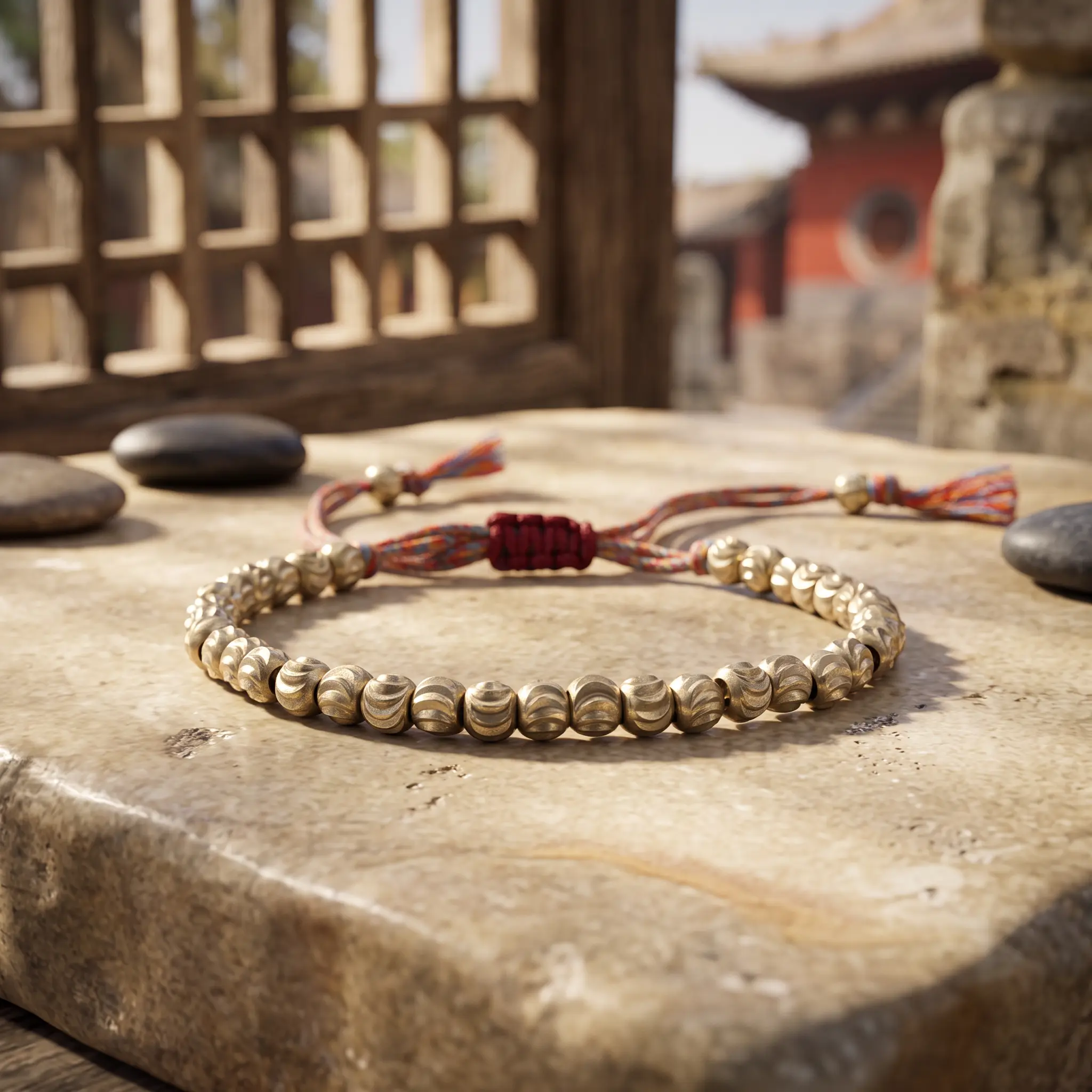
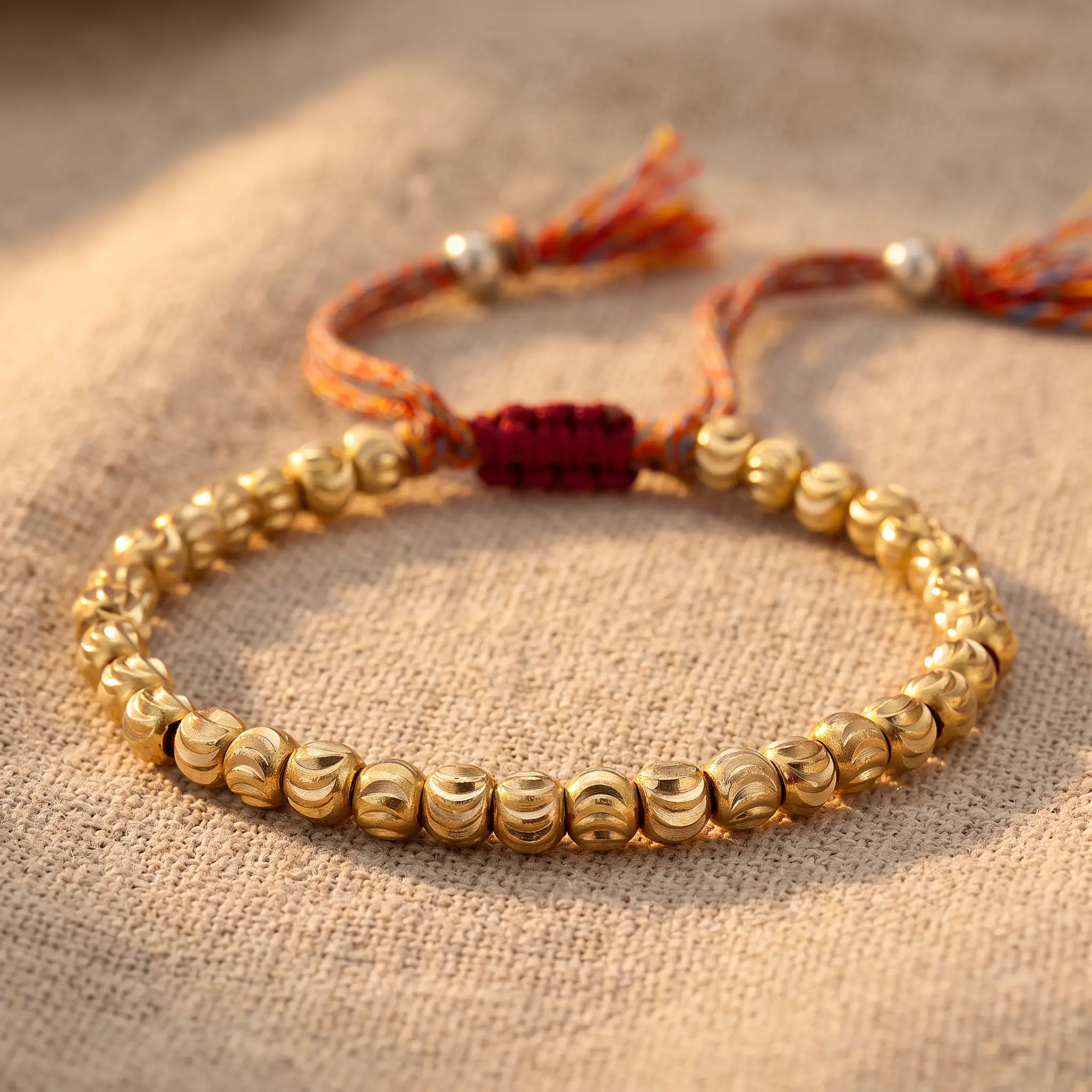
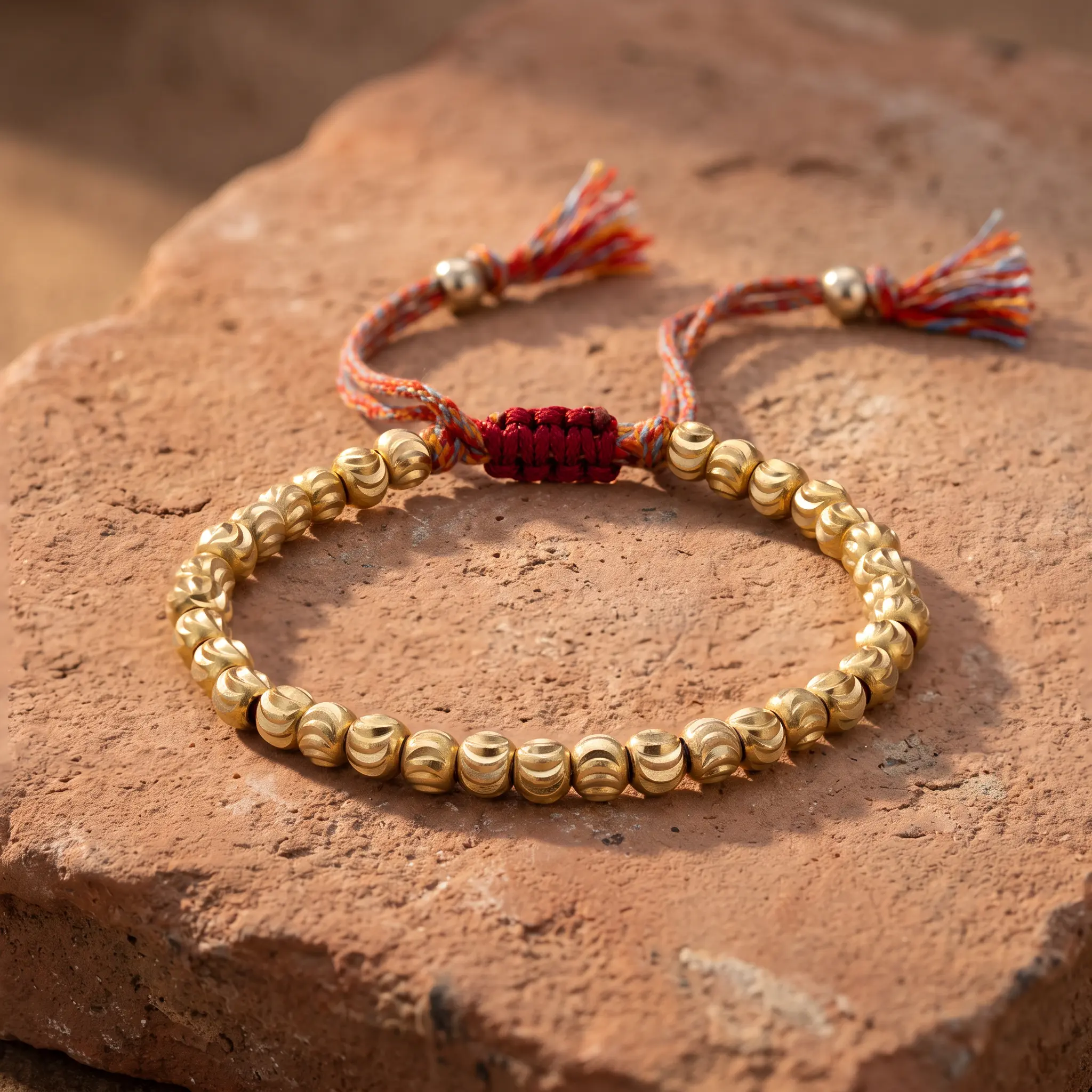
Some jewelry wants to be noticed. This one wants you to pause. Our copper beads Tibetan bracelet pairs 5 mm diamond-cut beads with a braided cord and a red sliding knot. Then it receives a blessing from Shaolin monks. You wear it, glance down, and take one slow breath.
- Monk-blessed: blessed by Shaolin monks
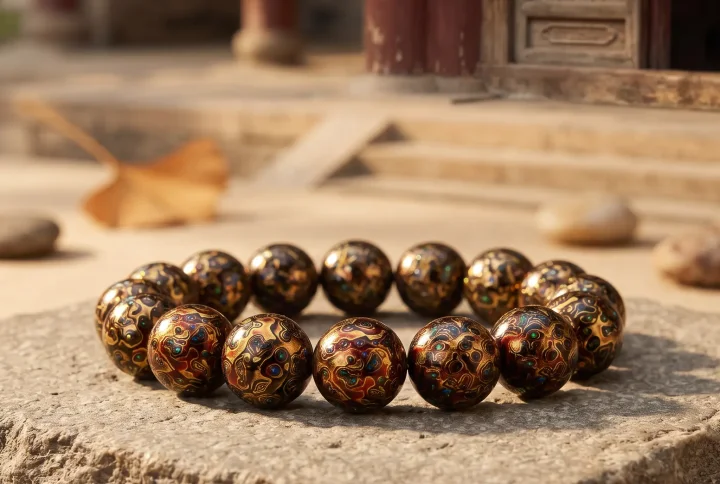
- Copper beads: 5 mm, diamond-cut with a flowing wave pattern
- Adjustable: fits wrists 6.30–10.24 in (16–26 cm)
- Unisex: made for men and women, daily wear and stacking
Copper Beads Tibetan Bracelet Benefits: Meaning You Can Wear
Every part of this bracelet carries a meaning. None of it is a promise of a cure. It is a set of reminders you can see and feel all day.
Copper beads: a symbol of steady energy
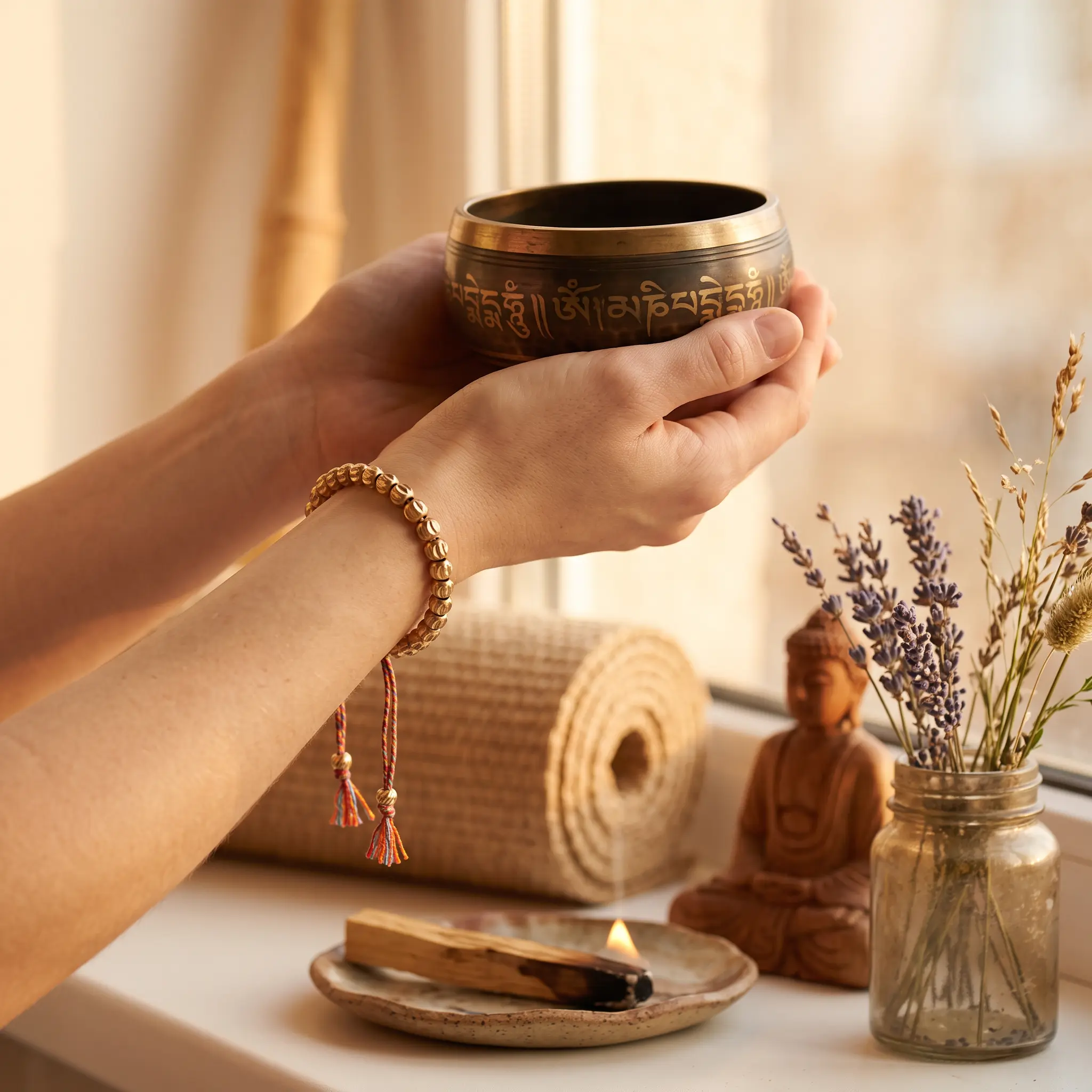
Copper-based metals have long shaped Buddhist ritual objects, from temple bells to singing bowls. In that spirit, the beads stand for warmth and steady energy. Run your thumb over them when your mind races. Each smooth, round bead is a small anchor.
The braided cord and red knot: protection and connection
Many strands, braided into one cord. That is a simple picture of interdependence, a core Buddhist idea: nothing stands alone. The red sliding knot joins the two ends, and in Chinese tradition red is the color of good fortune and protection. Pull it to close the circle. Loosen it to let the day go.
The wave-cut pattern: a reminder of impermanence
Look closely at the beads. The cuts flow like water and flash as the light changes. We read them as a nudge toward impermanence (无常, wúcháng): everything changes, so hold your worries lightly.
Simple, versatile style for daily wear and stacking
The look is quiet on purpose. It works with a T-shirt, a suit sleeve, or a yoga mat. Try it with:
- a watch or thin chain for a clean, modern look
- a wood or seed bead bracelet for a layered, earthy feel
- nothing else, if you prefer one meaningful piece
Blessed by Shaolin Monks: What That Means for You
The Shaolin Temple sits on Mount Song in Henan, China. It was founded in 495 CE and is known as a home of Chan Buddhism, the school Japan later called Zen. Tradition credits the Indian monk Bodhidharma with bringing Chan teaching there. Today the temple complex and its Pagoda Forest belong to a UNESCO World Heritage listing, Historic Monuments of Dengfeng in “The Centre of Heaven and Earth” (2010).
Shaolin is also known for Chan Wu Yi (禅武合一), the idea that meditation and martial training are one path. A calm mind and a steady body belong together.
At shaolinstore, this bracelet is blessed by Shaolin monks. Think of the blessing as an intention offered with care: clarity, protection, and a steadier day. It is a spiritual gesture, not a guarantee of results.
One note for the curious. The cord follows Tibetan knotting style, while the blessing comes from the Chan tradition. They are different Buddhist schools. We like seeing them share one wrist, because both point you back to your own mind.
The bracelet doesn’t calm you. It reminds you that you already can.
Copper Bracelet for Men and Women: Fit and Sizing
One adjustable bracelet fits most wrists from 6.30 to 10.24 in (16–26 cm). Aim for snug but comfortable. You should be able to slide one finger under the beads.
How to adjust the sliding knot
- Hold the bracelet on both sides of the red knot.
- Pull the two sides apart to open the loop wide.
- Slip it over your hand and onto your wrist.
- Pull the two tassel ends in opposite directions to snug it up.
Copper Bracelet Details
| Item type | Copper beads bracelet |
|---|---|
| Material | Copper beads, braided Tibetan-style cord |
| Bead diameter | 0.20 in (5 mm), diamond-cut wave pattern |
| Bracelet perimeter | 6.30–10.24 in (16–26 cm), adjustable |
| Clasp type | Sliding knot with tassel ends |
| Blessing | Blessed by Shaolin monks |
| Gender | Men and women |
Wear and Care: Green Skin, Water, and Tarnish
Will it turn my skin green?
Maybe, a little. Copper reacts with sweat and skin oils and can leave a faint green mark. It is harmless and washes off with soap and water. Beads on a cord also touch less skin than a cuff does.
Can I shower, swim, or sleep in it?
Sleep in it if it feels comfortable. Take it off for showers, pools, and the sea. Water speeds up tarnish, and chlorine or long soaking can fade and weaken the cord, which is usually the first part to wear.
How do I clean it?
Wipe the beads with a soft, dry cloth after wearing. For dull spots, use a polishing cloth made for copper or brass, and keep it off the cord. Store the bracelet dry, in a pouch. Over time the beads may darken into a natural patina, which is normal for copper.
What if I have sensitive skin?
Test-wear it for a few hours first. If you notice redness or itching, take it off. Copper reactions are not common, but they do happen.
Which Wrist Should You Wear It On?
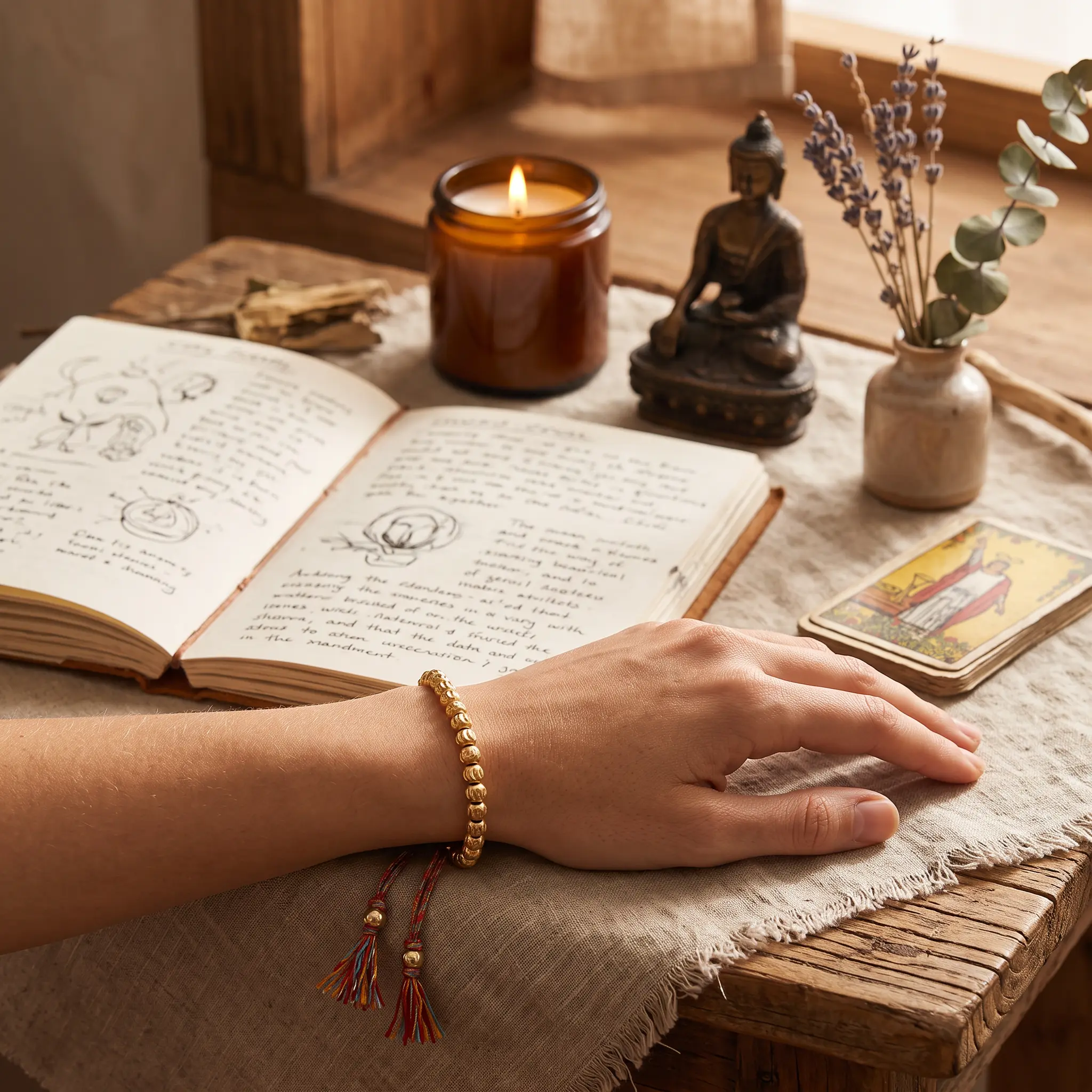
Buddhist practice sets no strict rule. Many people wear it on the left, closer to the heart. Others pick their non-dominant wrist so it snags less. Choose the side that feels right and you’ll notice it more often. That is the whole point.
Copper Beads Tibetan Bracelet FAQ
What does a Tibetan copper bracelet symbolize?
Together, the parts stand for steady energy (copper), connection (braided cord and knot), protection (red), and impermanence (wave-cut beads).
Is this real copper?
The beads are copper, as listed in the details above. Like all copper, they can darken into a natural patina with time.
Does a copper bracelet help with arthritis or pain?
No. A 2013 University of York trial found no meaningful effect beyond placebo. We offer this bracelet as a mindful reminder, not a treatment.
Is it suitable for men and women?
Yes. It is unisex and adjusts to wrists from 6.30 to 10.24 in (16–26 cm).
Is it a good gift?
Yes. It suits someone starting a new chapter, a meditation habit, or a stressful season. It carries a meaning they can understand and a blessing from Shaolin monks.
Related Products
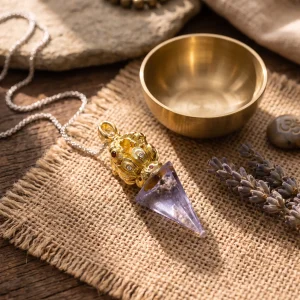

Lotus Vajra Glass Pendant Necklace
Original price was: $87.95.$68.95Current price is: $68.95.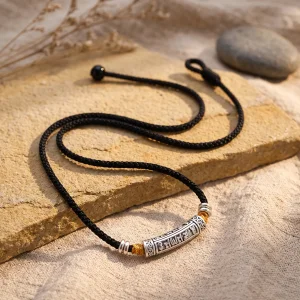
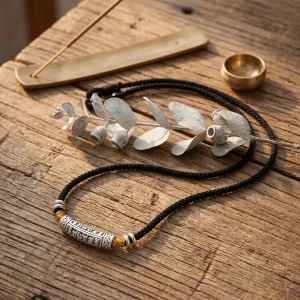
Om Mani Padme Hum Necklace – 999 Fine Silver Lu Lu Tong Pendant
Original price was: $96.95.$89.95Current price is: $89.95.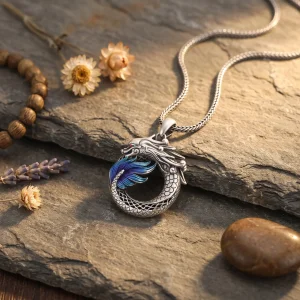
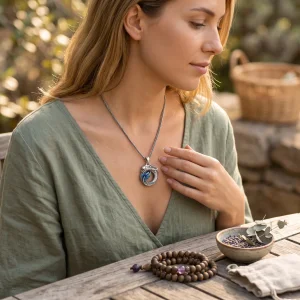
Dragon & Phoenix Pendant Necklace: 999 Fine Silver Loong & Fenghuang with Artisan Enamel
Price range: $388.95 through $706.95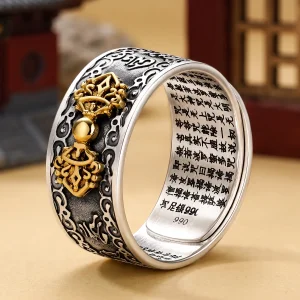
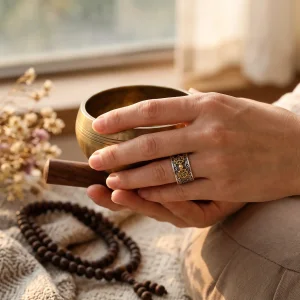
Buddhist Heart Sutra Ring - Calm & Focus
Original price was: $170.95.$150.95Current price is: $150.95.Recently Viewed Products
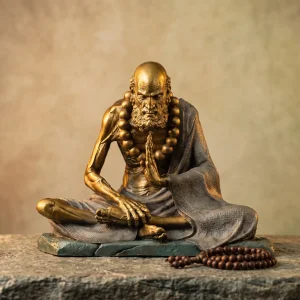
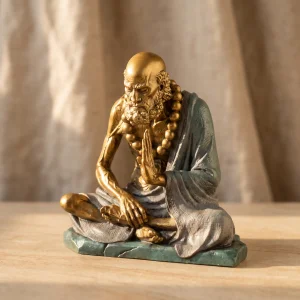
Bodhidharma Sculpture: Hand-Patinated Copper Damo
Original price was: $340.95.$320.95Current price is: $320.95.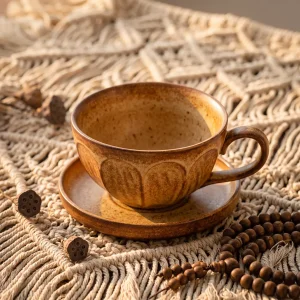
Petal Relief Ceramic Cup: Vintage-Glazed 8.8 oz Pottery Cup With Saucer Option
Original price was: $108.95.$89.95Current price is: $89.95.
Reviews
There are no reviews yet.