
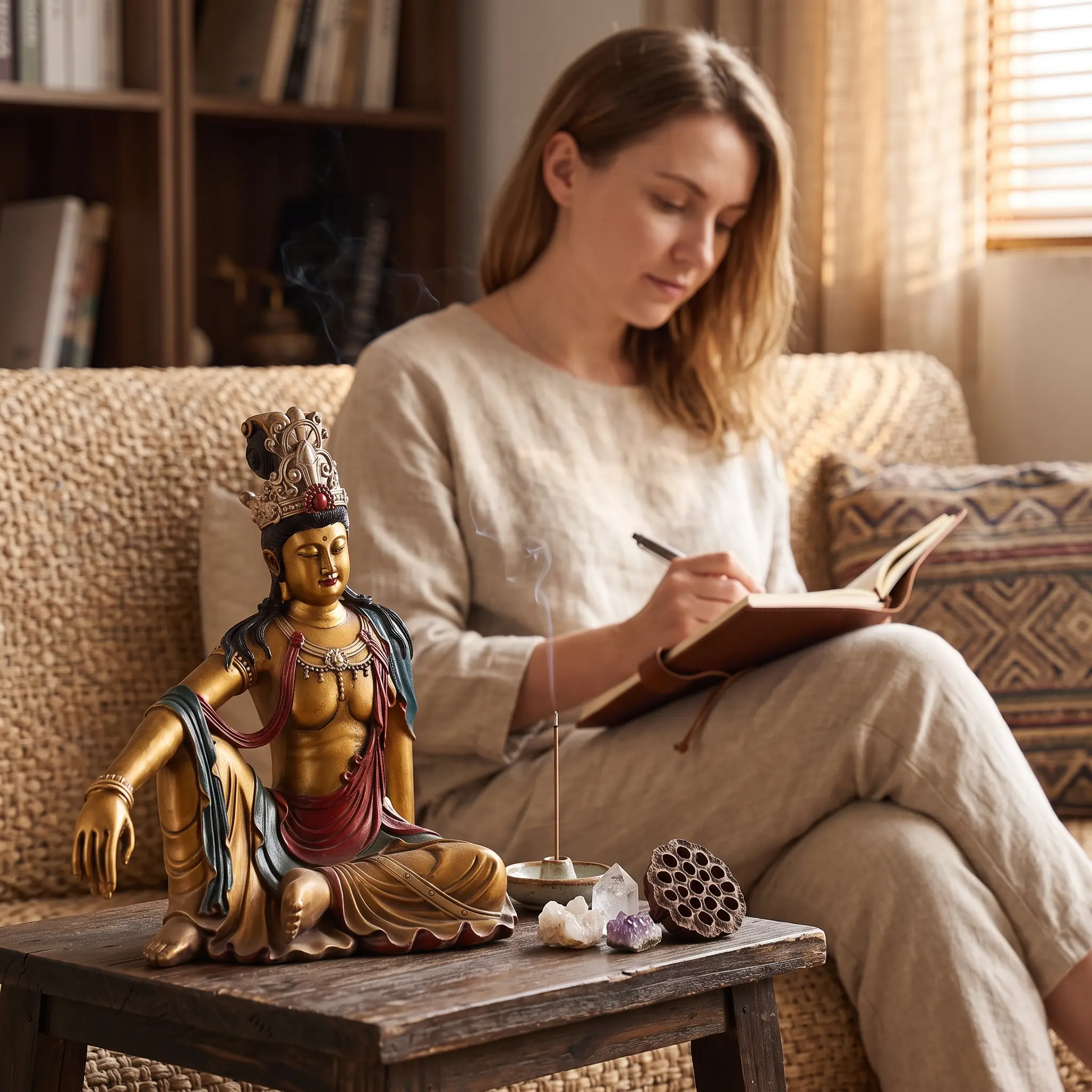
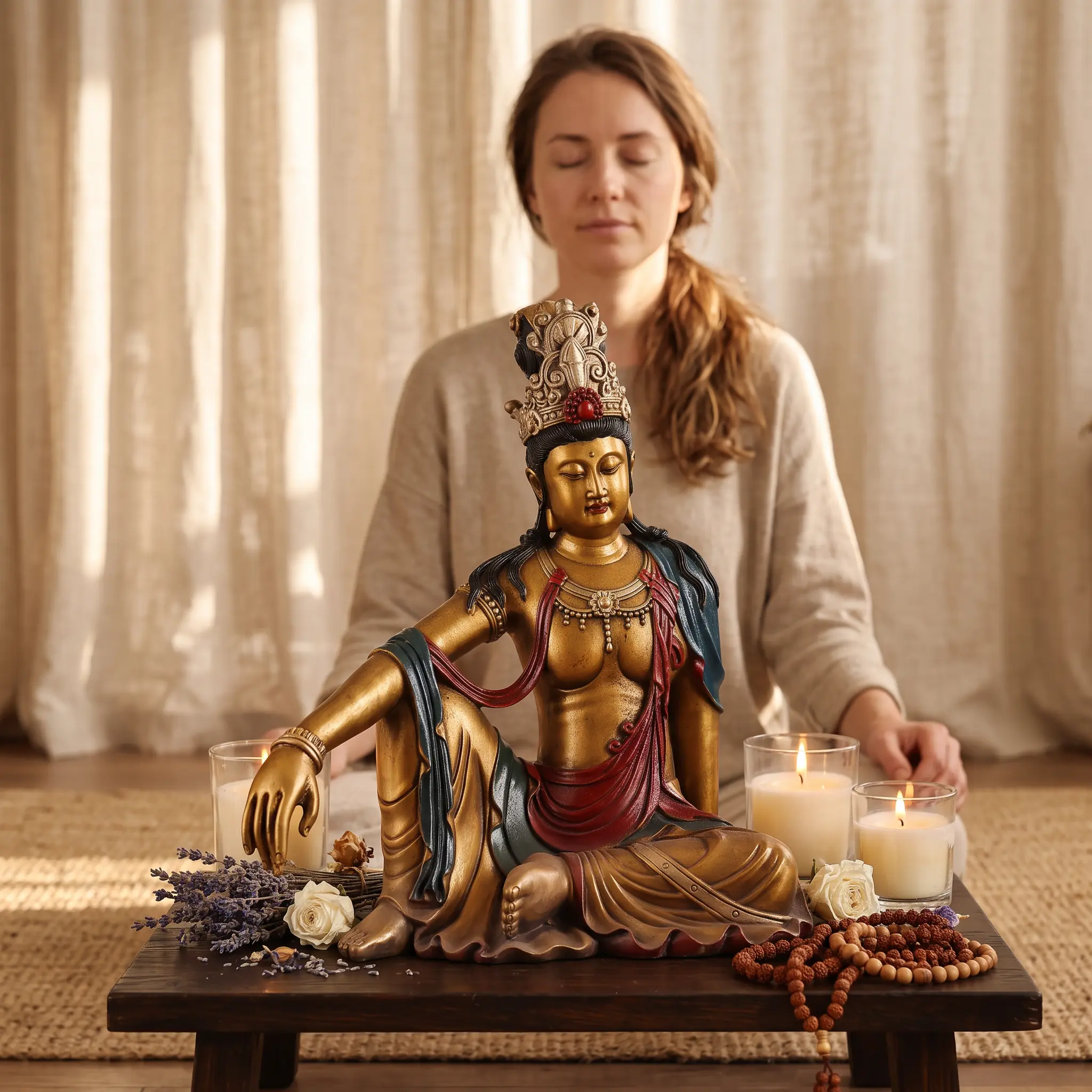
Seated Guanyin Statue – Painted Aged Copper Kwan Yin
-
Free shipping on all orders. Estimated delivery: 5–10 business days (U.S., Germany & U.K.), 10–16 business days (international).
-
Return within 60 days of purchase. Shipping & Return

A statue like this does one quiet job. It reminds you to slow down and meet the day with compassion.
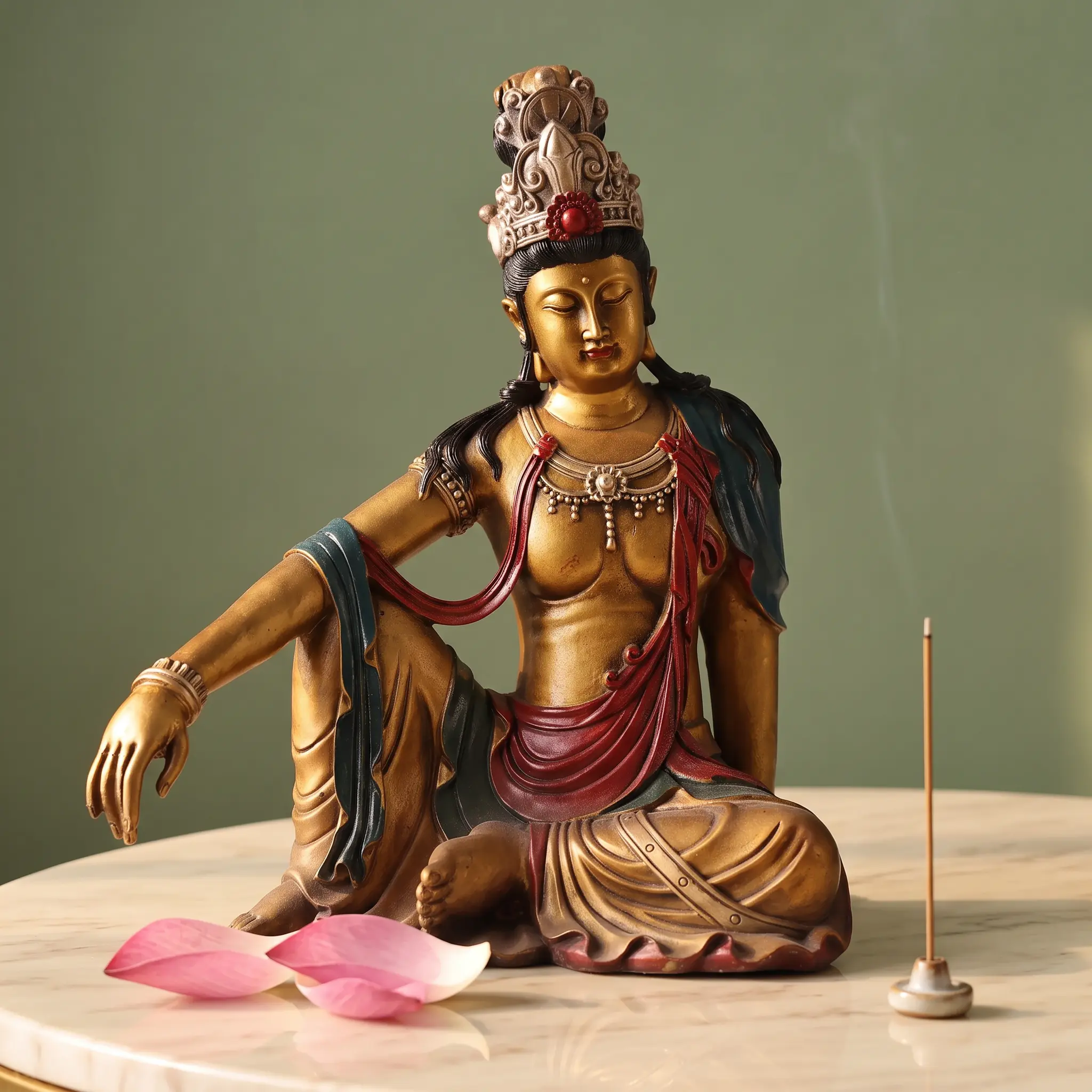
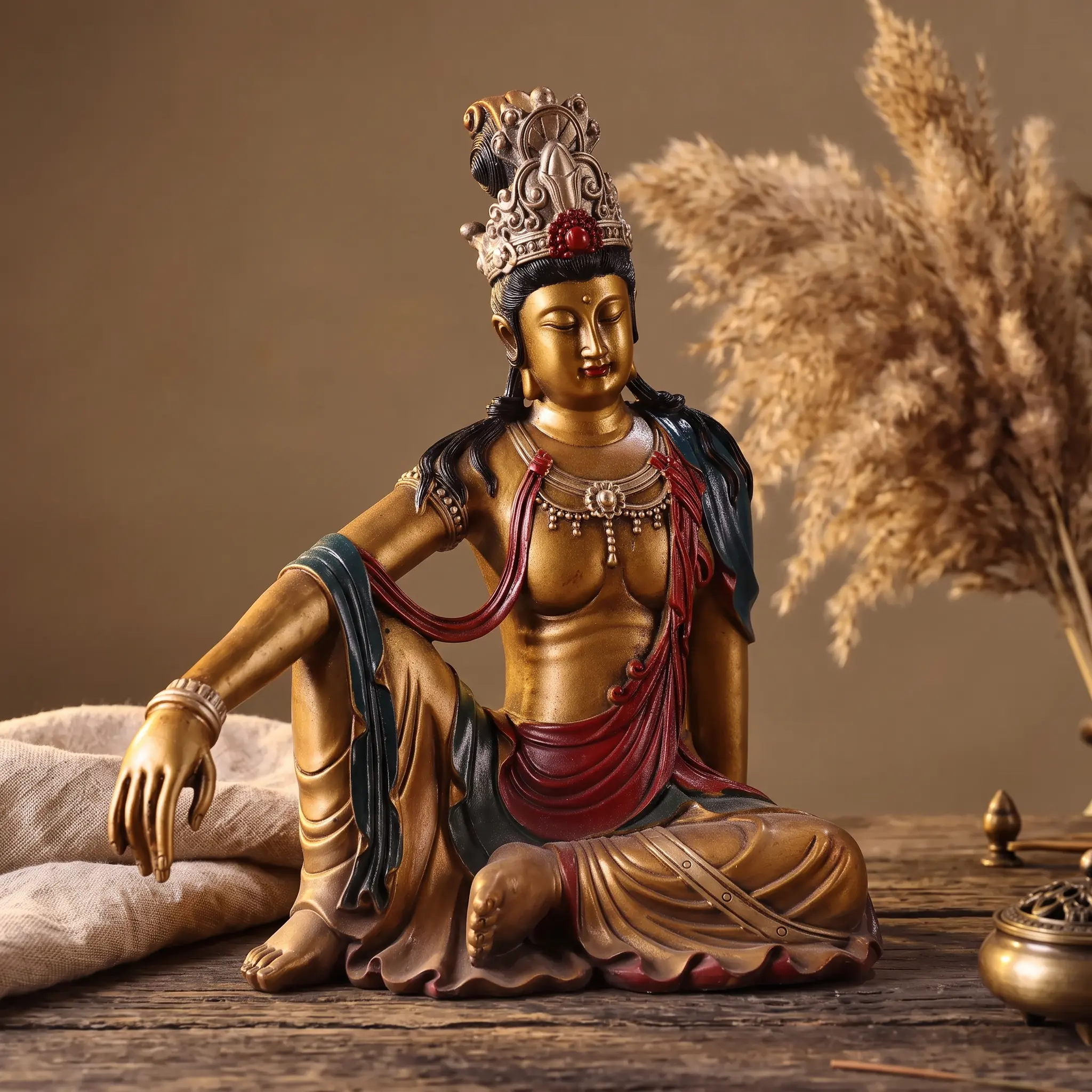
This seated Guanyin Bodhisattva statue rests in the classic royal-ease pose. It is finished in painted aged copper, stands 10.2 in (26 cm) tall, and weighs 4.96 lb (2.25 kg). At shaolinstore, we choose pieces for meditation rooms, altars, and desks. This is one you will feel when you pick it up.
At a Glance
| Material | Painted aged copper |
|---|---|
| Height / Width | 10.2 in (26 cm) / 7.5 in (19 cm) |
| Weight | 4.96 lb (2.25 kg) |
| Finish | Aged copper tone, hand-painted deep red and dark teal accents |
| Pose | Royal ease (rajalilasana) |
| Best for | Meditation space, altar, bookshelf, study, entryway, gift display |
Guanyin, Kwan Yin, Avalokiteshvara: One Bodhisattva, Many Names
Are these different figures? No. They are one bodhisattva of compassion, named differently across Asia.
- Avalokiteshvara: the Sanskrit name.
- Guanyin (Guan Yin): the Chinese name, often read as “the one who perceives the sounds of the world.”
- Kwan Yin, Kuan Yin, Quan Yin: English spellings of the same Chinese name.
- Kannon in Japan and Chenrezig in Tibet.
Bodhisattva, Not Goddess
You will often see Guanyin called the “Goddess of Mercy.” Princeton University Art Museum notes that this label comes from early Jesuit interpretations. In Buddhism, Guanyin is a bodhisattva: a being devoted to helping others awaken.
Why Guanyin Looks Male in Some Statues and Female in Others
Early Indian images show a male figure. In China, from about the 12th century, the bodhisattva was widely shown as female, as the Ashmolean Museum notes. This statue follows the older, softer tradition: serene, graceful, and not tied to one gender.
How to Read This Statue: Pose, Hands, Crown and Color
The Royal-Ease Pose
One knee lifts. One arm rests on it. The other leg folds loosely. The pose comes from Indian royalty, and it looks relaxed but alert.
I am at ease, and I can rise the moment you need me.
That is why this pose suits a desk or a meditation corner so well.
Is This a Water-Moon Guanyin? An Honest Answer
A true Water-Moon Guanyin sits on a rocky seat beside water and gazes at the moon’s reflection, a symbol of impermanence. This statue has the pose and the contemplative mood, but not the rocky seat. So we call it a royal-ease Guanyin in the Water-Moon tradition.
That tradition matters to Chan (Zen), the meditative school traditionally linked to the Shaolin Temple. If Shaolin heritage speaks to you, this form fits.
The Lowered Hand
Look at the extended hand. It hangs loose over the knee, fingers relaxed, with a bracelet at the wrist. It is a gesture of quiet readiness, not a formal mudra. (The formal gift-giving gesture, varada mudra, shows an open palm facing outward.)
Crown, Jewel and Color
The tall crown carries scrollwork and a red jewel at its center. Bodhisattvas are shown dressed as royalty because they chose to serve, not to rule.
Deep red and dark teal scarves drape over the gold-toned body. Painted Chinese Guanyin figures in museum collections often keep traces of these same pigments.
Why Painted Aged Copper, and How to Tell It From Resin
Resin and cold-cast figures can look convincing in photos. Weight gives them away. This statue weighs 4.96 lb at only 10.2 in tall. By comparison, a 14-inch cold-cast Kuan Yin from a US meditation supply retailer is listed at 4 lb.
That heft means it sits steady on a shelf and feels grounded in your hands. The aged patina is a deliberate antique finish. The hand-painted accents vary slightly, so your statue is one of a kind in small ways.
Where to Place Your Guanyin Statue (Respectfully)
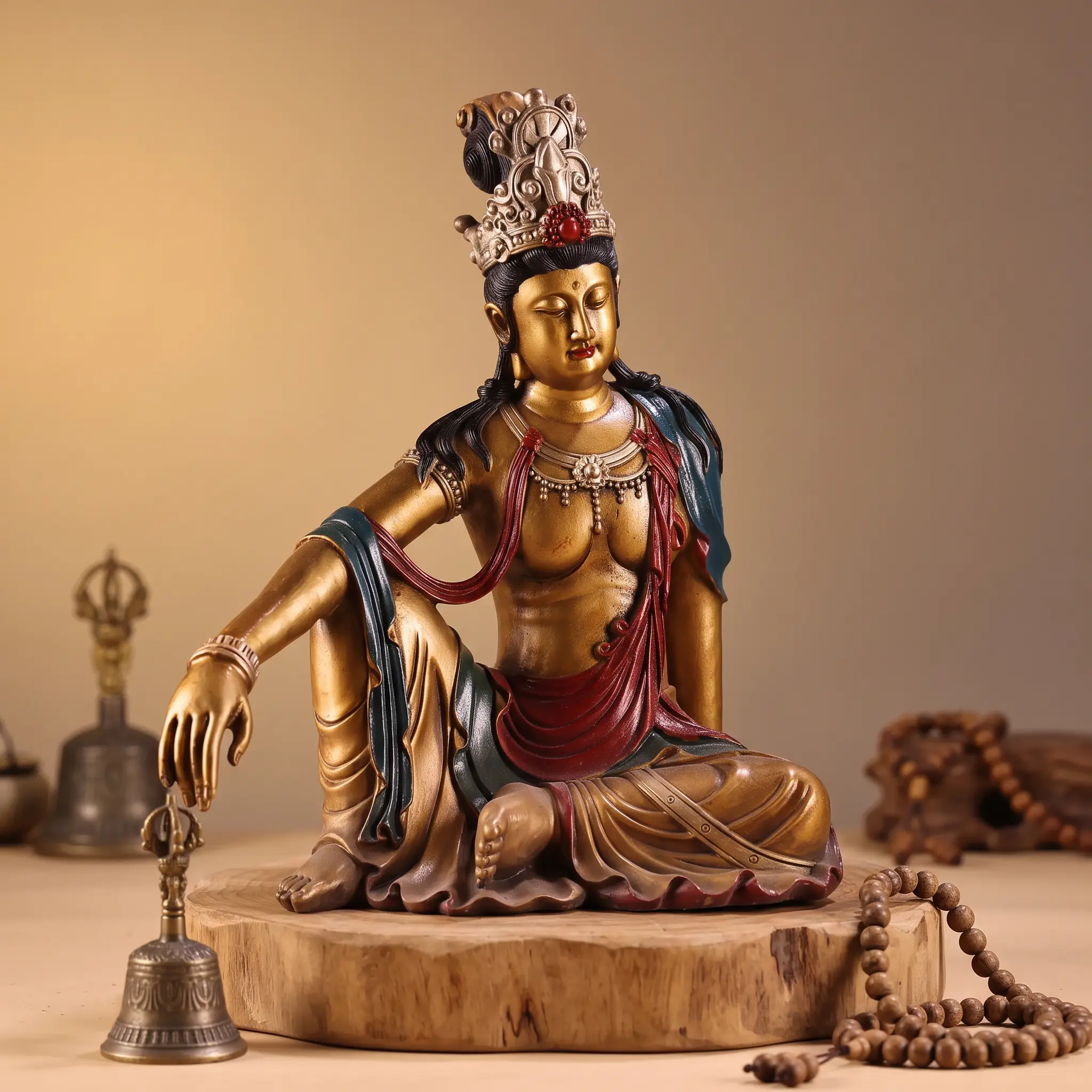
- Meditation room or altar: use a clean, stable surface. In our wooden-slab photo, the bell and mala are styling props.
- Shelf, study or office: chest to eye level works best. A plain wall lets the face read clearly, as in our sage-green photo.
- Direction: facing into the room is the most common guidance. Some feng shui traditions prefer facing the entrance. Pick one and keep it.
- Avoid: floors, bathrooms, kitchen counters, and low spots where feet point toward the statue.
Caring for Painted Aged Copper
- Dust with a soft, dry brush every week or month.
- Skip water, soap, alcohol, polish, and oils on painted areas.
- If bare metal needs attention, use a barely damp cloth and dry it at once.
- Lift it by the base, never by the crown or the extended hand.
- Keep it indoors, away from direct sun and humidity.
Let the patina deepen. Polishing it off removes the antique character you chose.
Pair It With Spiritual Jewelry From shaolinstore
A mala beside the statue marks your spot for daily practice. The same beads on your wrist carry that calm through the day. Buddhist practice, including at Shaolin, has long used beads to count breaths and recitations.
Browse our spiritual jewelry collection to match your statue with a mala or bracelet.
A Gift With Meaning
This statue suits meditators, yoga teachers, and collectors of Eastern-inspired art or Shaolin heritage pieces. If the recipient is not comfortable with religious imagery, ask first. A gift like this lands best when it is wanted.
Frequently Asked Questions
Are Guanyin, Kwan Yin and Avalokiteshvara the same?
Yes. They are one bodhisattva of compassion. Guanyin is the Chinese name, Kwan Yin is an English spelling of it, and Avalokiteshvara is the Sanskrit original.
Is Guanyin a Buddha or a bodhisattva?
Guanyin is a bodhisattva: a being devoted to helping others awaken. That is why statues show royal jewelry and a crown, not a Buddha’s plain monastic robe.
What does the royal-ease pose mean?
One knee is raised, one arm rests on it, and the other leg is folded. The pose reads as relaxed yet alert, a figure at ease and ready to help.
Is this a Water-Moon Guanyin?
Not strictly. It has the royal-ease pose and the contemplative mood, but no rocky seat, so we describe it as a royal-ease Guanyin in the Water-Moon tradition.
Is this statue solid metal or resin?
The listed material is painted aged copper. At 4.96 lb for 10.2 in, it is noticeably heavier than comparable cold-cast resin figures.
Where should I place a Guanyin statue, and which way should it face?
Use a clean, stable surface at chest to eye level. Facing into the room is the most common guidance. Keep it off floors, bathrooms and kitchen counters.
Can I display Guanyin if I am not Buddhist?
Yes, if you do it respectfully. Many people display Guanyin as art or as a symbol of compassion. Give it a clean, elevated spot.
How do I clean a painted copper statue?
Dust with a soft, dry brush. Avoid water, polish and oils on painted areas. Wipe bare metal with a barely damp cloth, then dry it at once.
Related Products
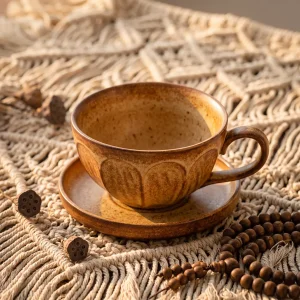
Petal Relief Ceramic Cup: Vintage-Glazed 8.8 oz Pottery Cup With Saucer Option
Original price was: $108.95.$89.95Current price is: $89.95.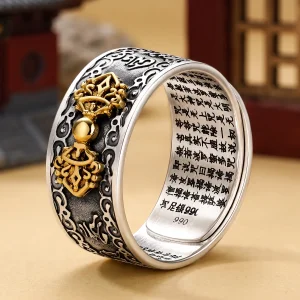
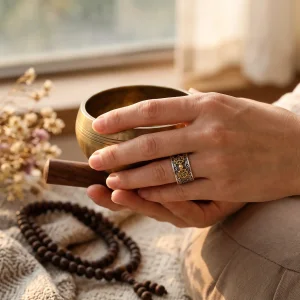
Buddhist Heart Sutra Ring - Calm & Focus
Original price was: $170.95.$150.95Current price is: $150.95.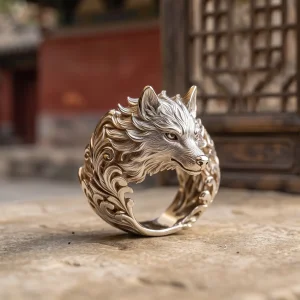
Shaolin Store Ring – 3D Sculpted Chinese Dragon & Wolf Head Statement Ring (Silver-Tone)
Original price was: $108.95.$98.95Current price is: $98.95.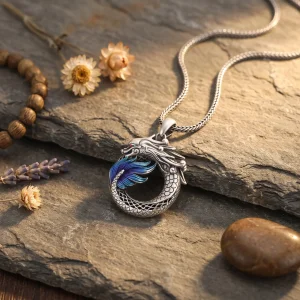
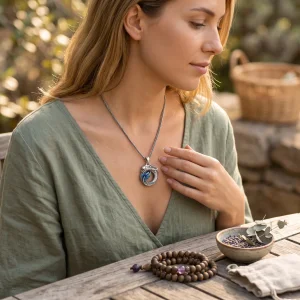
Dragon & Phoenix Pendant Necklace: 999 Fine Silver Loong & Fenghuang with Artisan Enamel
Price range: $388.95 through $706.95Recently Viewed Products
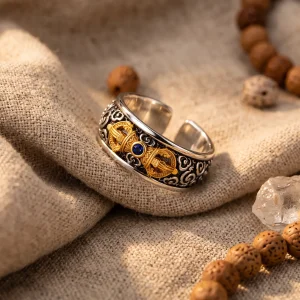
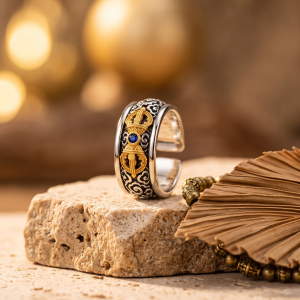
Vajra Ring: Shaolin-Blessed Adjustable Silver Dorje Ring with Gold-Tone Vajra & Blue Stone
Original price was: $135.95.$120.95Current price is: $120.95.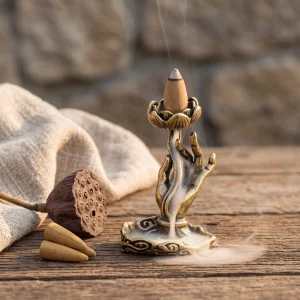
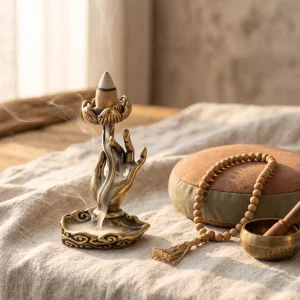
Brass Mudra & Lotus Backflow Censer
Original price was: $46.95.$38.95Current price is: $38.95.
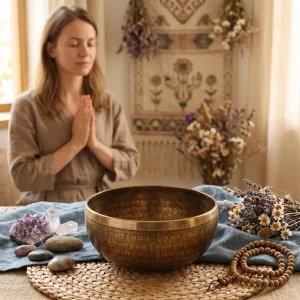
Hand-Hammered Bronze Singing Bowl: One Clear Tone to Begin Your Stillness
Price range: $278.95 through $588.95
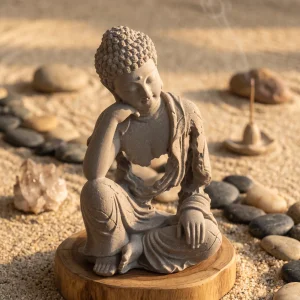
Sandstone Buddha Statue with Open-Center Tealight Display
Original price was: $120.95.$96.95Current price is: $96.95.Petal Relief Ceramic Cup: Vintage-Glazed 8.8 oz Pottery Cup With Saucer Option
Original price was: $108.95.$89.95Current price is: $89.95.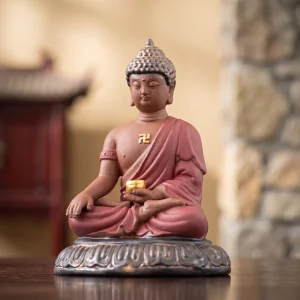
Ceramic Shakyamuni Buddha Statue: Handcrafted Earth-Touching Buddha with Alms Bowl (6.9 in)
Original price was: $113.95.$89.95Current price is: $89.95.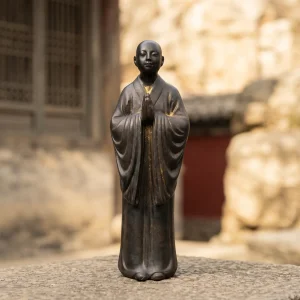
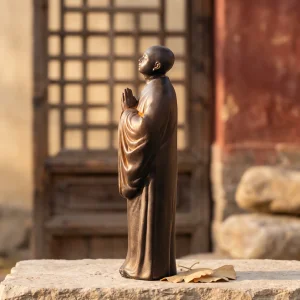
Iron Buddha Statue – Reclaimed Shaolin Iron for Mindfulness & Inner Peace
Original price was: $102.95.$88.95Current price is: $88.95.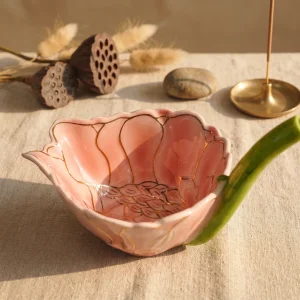
Handcrafted Lotus Stem Straw Cup: Pink Ceramic Lotus Sipping Cup with Gold Detailing (4.6 oz)
Original price was: $250.95.$230.95Current price is: $230.95.
The "Royal Ease" Guanyin Sculpture | Handcrafted Solid Copper Art for Mindful Living
Original price was: $426.95.$388.95Current price is: $388.95.
Reviews
There are no reviews yet.