
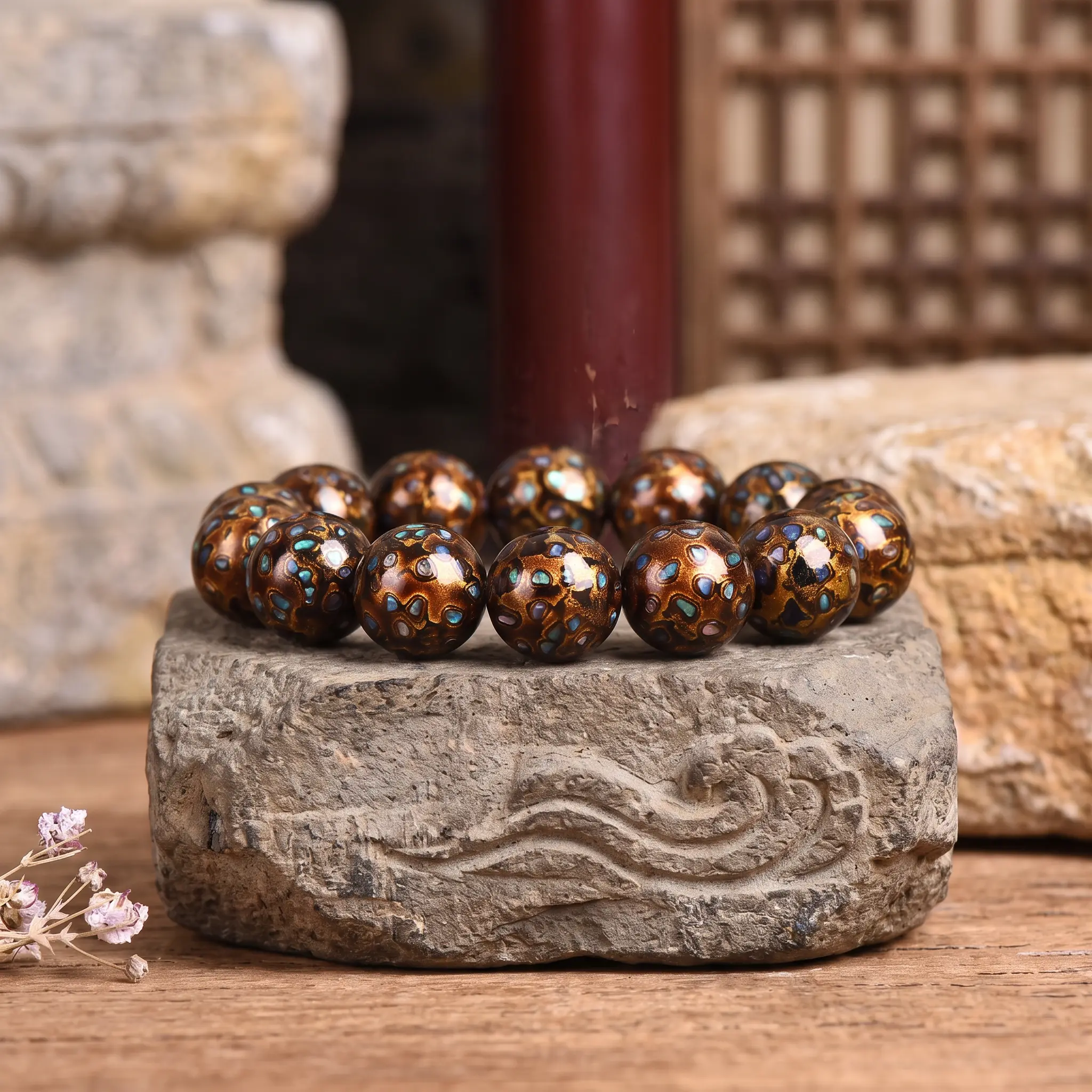
Natural Lacquer & Mother-of-Pearl Bracelet: Hand-Lacquered African Blackwood Beads
-
Free shipping on all orders. Estimated delivery: 5–10 business days (U.S., Germany & U.K.), 10–16 business days (international).
-
Return within 60 days of purchase. Shipping & Return

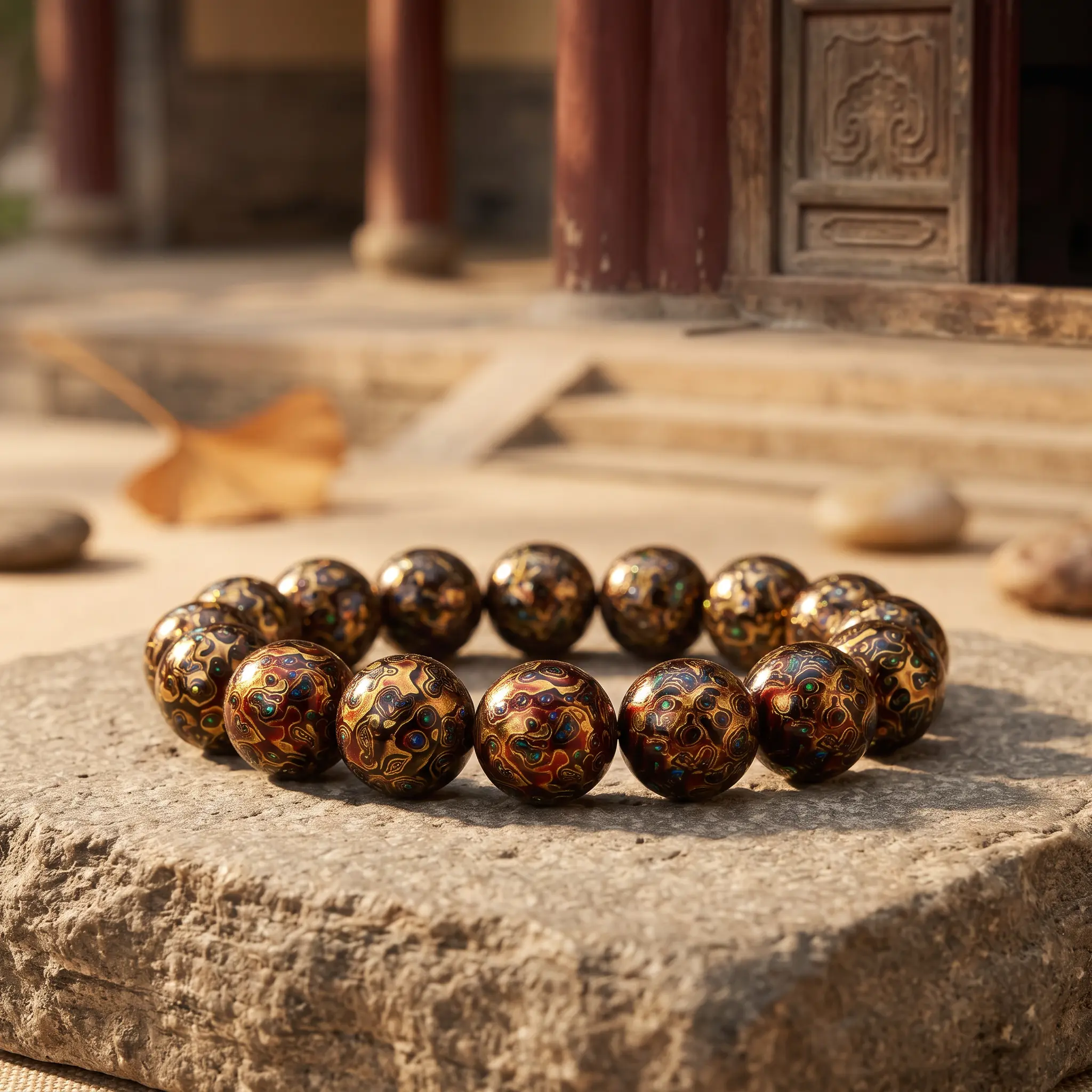
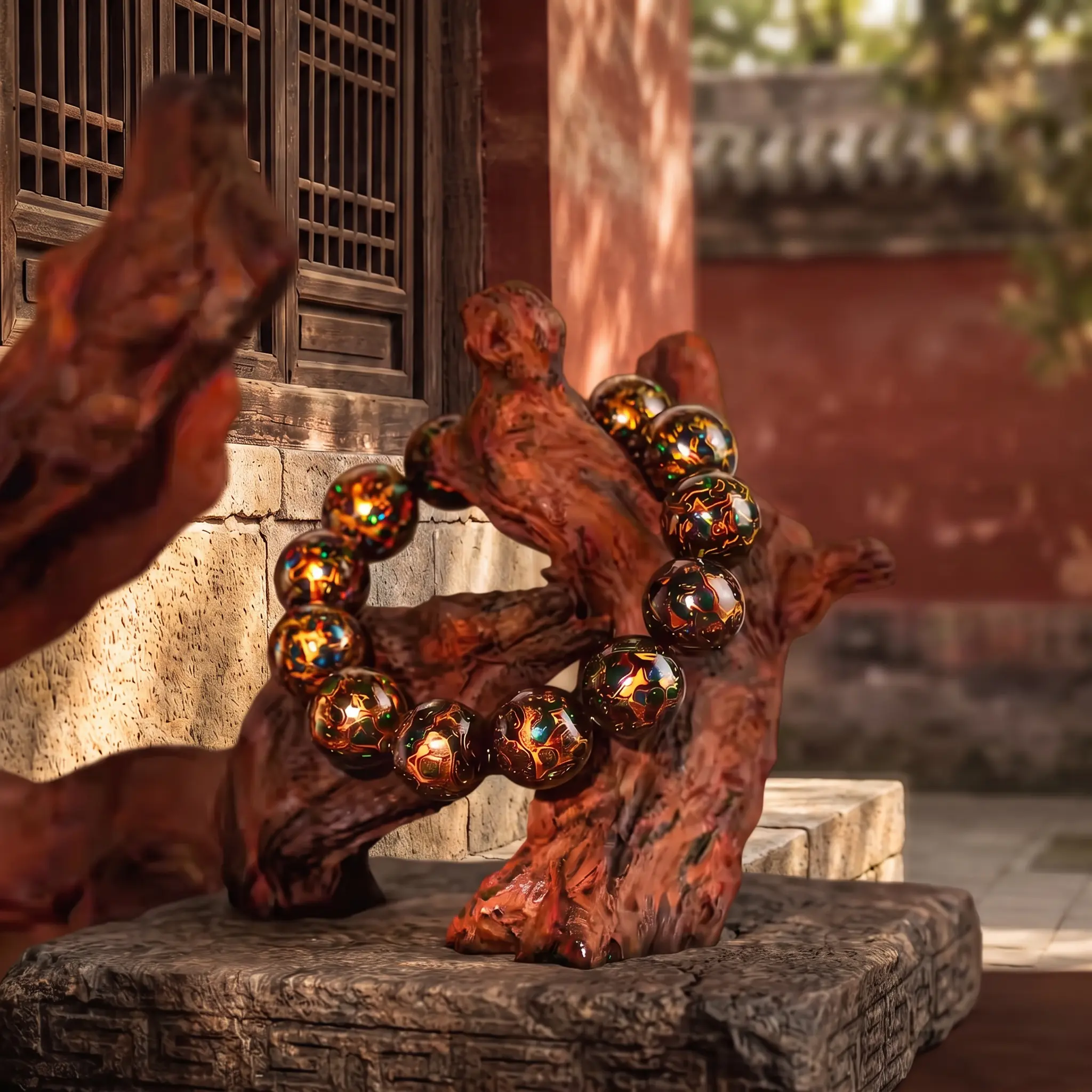
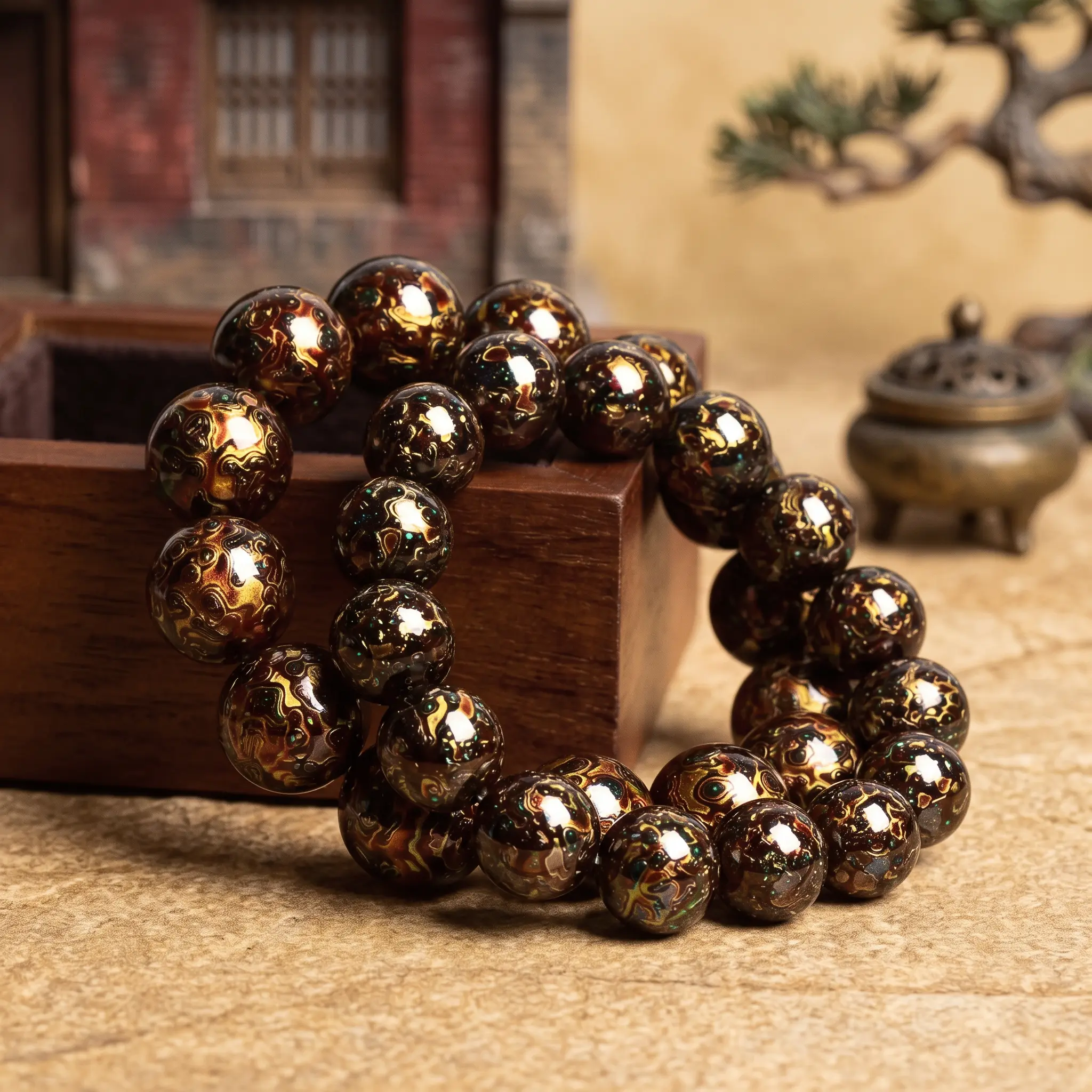
This natural lacquer bracelet is built layer by layer over dense African blackwood, then inlaid with real mother-of-pearl. It takes 50 days of hand work. It is blessed by Shaolin monks, fully cured, and skin-safe. And its gloss deepens the more you wear it.
- 50-day handcraft. Dozens of hand-applied lacquer and polishing layers. No machine shortcuts.
- Real plant lacquer. Natural tree sap, not chemical paint, cured until stable and skin-safe.
- Real mother-of-pearl. Seashell inlay that flashes blue, teal and pink as the light moves.
- African blackwood core. Dense, weighty and steady on your wrist.
- Blessed by Shaolin monks. A piece of Chan (Zen) practice you can wear.
Is This Real Natural Lacquer? How to Tell
A lot of “lacquer” jewelry is resin or sprayed paint. So it is fair to ask. Natural lacquer, called daqi (大漆) in China and urushi in Japan, is the sap of the lacquer tree Toxicodendron vernicifluum. People have used it for a very long time. Researchers found lacquer on a bow from the Kuahuqiao site in Zhejiang, dated to about 8,000 years ago (Journal of Archaeological Science, 2018).
Three signs you are holding the real thing
- A warm, deep shine. It looks wet and rich, not like plastic glare.
- Small differences from bead to bead. Each pattern is laid by hand.
- A finish that changes with handling. Synthetic coatings stay the same until they wear out.
How we make it
- A blackwood bead is shaped and prepared.
- Thin coats of lacquer go on, and each one cures before the next.
- Mother-of-pearl pieces are set by hand into the lacquer.
- The surface is polished by hand between layers and again at the end.
Mother-of-Pearl Inlay: The Ancient Raden Technique
Setting shell into lacquer is called luodian in China and raden in Japan. According to Japan’s Ministry of Land, Infrastructure, Transport and Tourism, the craft reached Japan from China in the eighth century. Today it is still slow, careful work.
Mother-of-pearl is made of thin layers of nacre. These layers bend light, which is why the shell flashes blue, teal and pink against deep amber-brown lacquer and gold flecks. No two beads match, so your bracelet is yours alone.
Why African Blackwood?
African blackwood (Dalbergia melanoxylon, also called mpingo) is among the densest and hardest woods in the world. It weighs about 1,270 kg/m³ and scores 3,670 lbf on the Janka hardness scale. That gives the bracelet a solid, balanced weight and a stable base for lacquer. It feels like quality the moment you pick it up.
What This Bracelet Means
At shaolinstore, we make spiritual jewelry that is meant to be used, not just worn. Here is what this one carries:
- Patience. Chan teaches awareness in ordinary acts. A lacquer bead is made the same way: one thin layer, then waiting, then polishing.
- Clarity. In Buddhist imagery, the pearl often stands for purity and clear sight. The shell inlay is that light, set into dark lacquer.
- Wholeness. A ring of round beads has no start and no end. It reminds you of a mind that rests in the present.
This is a wrist bracelet, not a 108-bead mala. Use it as a pause button. When your day speeds up, roll one bead between your fingers and take one slow breath.
Size Guide: 12 mm or 15 mm?
| Option | Beads | Approx. length | Best wrist size | Look |
|---|---|---|---|---|
| 12 mm (0.47 in) | 16 | 7.6 in / 19.2 cm | 6.75–7.1 in | Balanced, everyday |
| 15 mm (0.59 in) | 14 | 8.3 in / 21 cm | 7.5–7.9 in | Bold, statement |
How to measure: wrap a soft tape around your wrist just below the bone. Add about 0.6 in (1.5 cm) for comfort. Lengths are estimates from bead count and bead size.
Wear and Care: A Living Finish
It grows richer with wear. Skin contact and gentle handling build gloss and clarity over time. Urushi makers say the finish keeps maturing for years.
What it does not like:
- Long direct sun. UV light dulls the gloss and can crack the lacquer film, according to a 2023 study in Materials.
- Soaking. Remove it for showers, pools and dishes.
- Sharp edges, perfume and lotion.
For daily care, wipe it with a clean, soft, dry cotton cloth. Store it away from windows.
It brightens with your hands and fades with the sun.
Specifications
| Core materials | African blackwood, natural plant lacquer, natural seashell (mother-of-pearl) |
|---|---|
| Bead sizes | 12 mm (0.47 in), 16 beads / 15 mm (0.59 in), 14 beads |
| Craft | 100% hand-polished, traditional multi-layer plant lacquer and inlay |
| Making time | 50 days |
| Blessing | Blessed by Shaolin monks |
Frequently Asked Questions
Is this bracelet waterproof?
It resists everyday splashes, but it is not made for soaking. Take it off before showering, swimming or washing dishes.
Will the color change over time?
Yes, slowly. Natural lacquer tends to grow glossier and clearer with handling. Strong sunlight does the opposite, so keep it out of long direct sun.
How can I tell it is real lacquer and not resin?
Look for a warm, deep shine, small differences from bead to bead, and a finish that changes with wear. Resin and sprayed paint look the same on day one and day one thousand.
Is the shell real?
Yes. The inlay is natural seashell mother-of-pearl, set into the lacquer by hand.
Why does it cost more than a painted wooden bracelet?
You are paying for 50 days of layering, curing and polishing, plus real shell and dense African blackwood. Painted beads take minutes.
Which size should I choose?
Choose 12 mm for a balanced everyday fit, or 15 mm for a bold look on a larger wrist. Both suit men and women. Check the size table above.
Wear Something Slow and Real
Pick 12 mm for a balanced everyday fit or 15 mm for a bolder look. Either way, you get a natural lacquer bracelet made over 50 days, set with real shell, and blessed by Shaolin monks.
| Style | 0.39 inches (10mm) beads – 18 pieces, 0.47 inches (12mm) beads – 16 pieces, 0.59 inches (15mm) beads – 14 pieces, 0.79 inches (20mm) beads – 12 pieces |
|---|
Related Products

Golden Light Mantra Solid Copper Bead Bracelet with Thunderstruck Jujube Wood
Original price was: $76.95.$69.95Current price is: $69.95.
Petal Relief Ceramic Cup: Vintage-Glazed 8.8 oz Pottery Cup With Saucer Option
Original price was: $108.95.$89.95Current price is: $89.95.
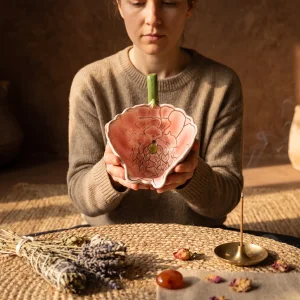
Handcrafted Lotus Stem Straw Cup: Pink Ceramic Lotus Sipping Cup with Gold Detailing (4.6 oz)
Original price was: $250.95.$230.95Current price is: $230.95.
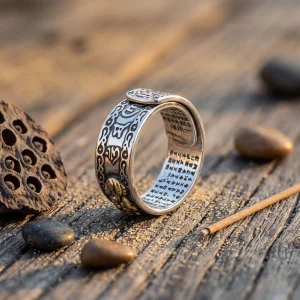
Feng Shui Pixiu Ring: 990 Silver Mantra Ring, Adjustable US 8–13
Original price was: $65.95.$46.95Current price is: $46.95.Recently Viewed Products
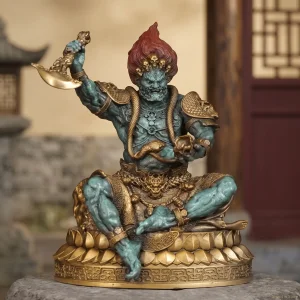
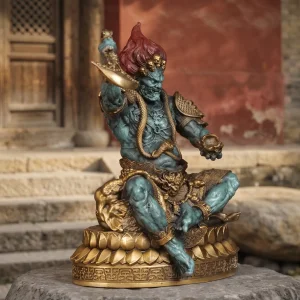
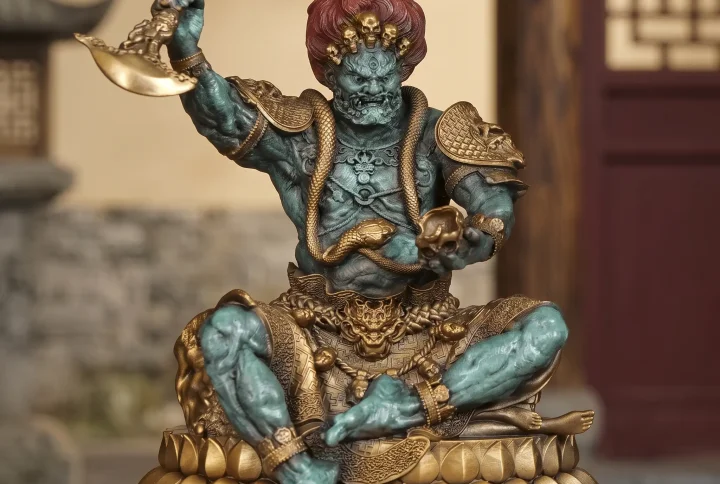
Handcrafted Copper Mahakala Sculpture – Seated Protector Statue for Home, Altar & Meditation Space
Original price was: $465.95.$425.95Current price is: $425.95.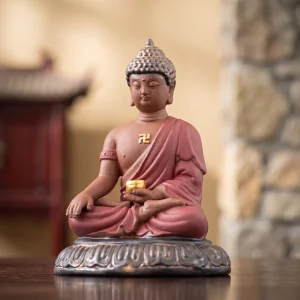
Ceramic Shakyamuni Buddha Statue: Handcrafted Earth-Touching Buddha with Alms Bowl (6.9 in)
Original price was: $113.95.$89.95Current price is: $89.95.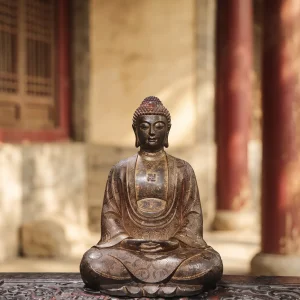
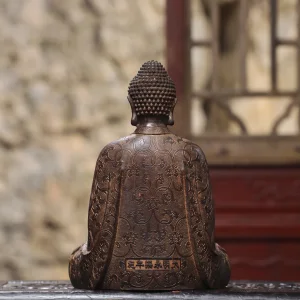
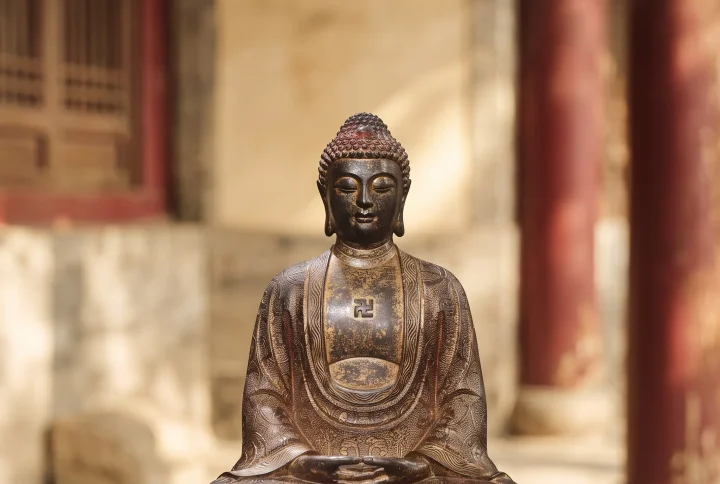
Aged Copper Meditating Buddha Statue with Mud-Gold Finish
Original price was: $350.95.$298.95Current price is: $298.95.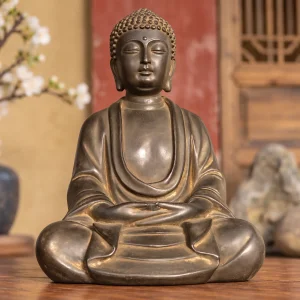
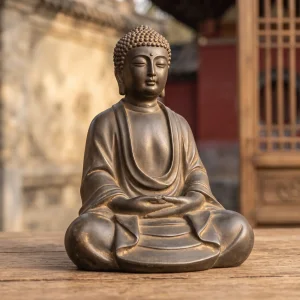
Seated Buddha Statue – Antique Stone Finish for Meditation & Peace
Original price was: $206.95.$188.95Current price is: $188.95.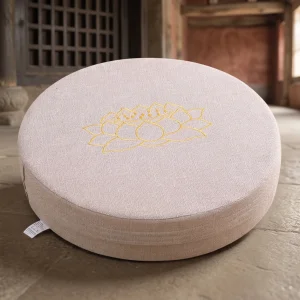
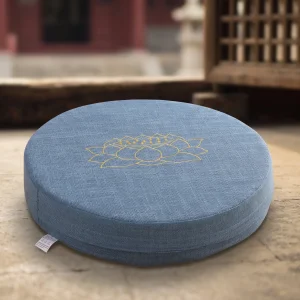
Lotus Meditation Cushion: Cotton-Linen Floor Seat
Original price was: $134.95.$120.95Current price is: $120.95.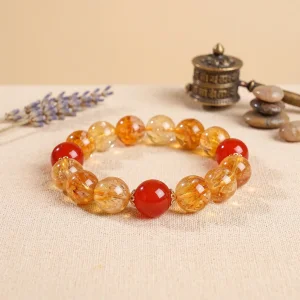
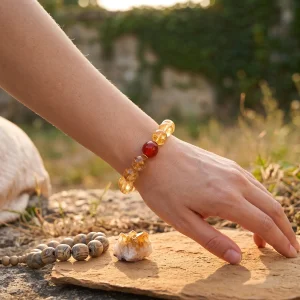
Natural Citrine & Red Agate Bracelet – Wealth Blessing Bracelet
Original price was: $96.95.$76.95Current price is: $76.95.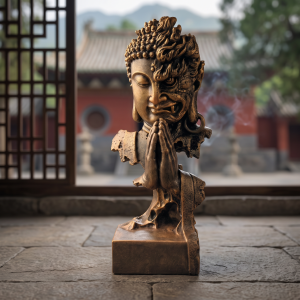
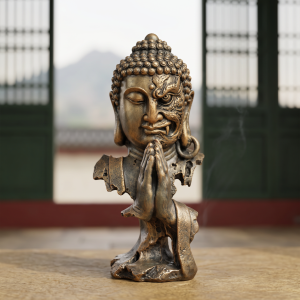
One Thought Buddha & Demon Statue | Solid Sandstone Half Buddha Half Demon Meditation Sculpture
Original price was: $235.95.$205.95Current price is: $205.95.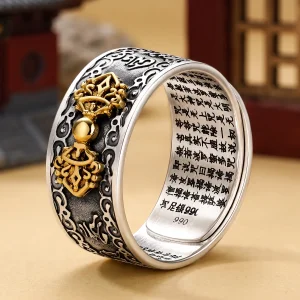
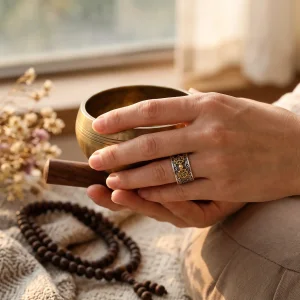
Buddhist Heart Sutra Ring - Calm & Focus
Original price was: $170.95.$150.95Current price is: $150.95.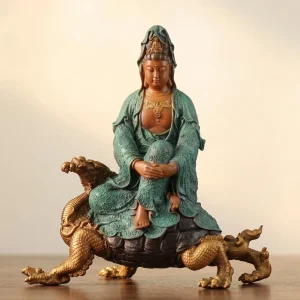
Longevity Guanyin on Loong Turtle – Handcrafted Copper Sculpture for Peace & Stability
Original price was: $725.95.$699.95Current price is: $699.95.
Reviews
There are no reviews yet.