




Amber Liuli Buddha Lotus Shrine Pendant Necklace – Amulet
-
Free shipping on all orders. Estimated delivery: 5–10 business days (U.S., Germany & U.K.), 10–16 business days (international).
-
Return within 60 days of purchase. Shipping & Return

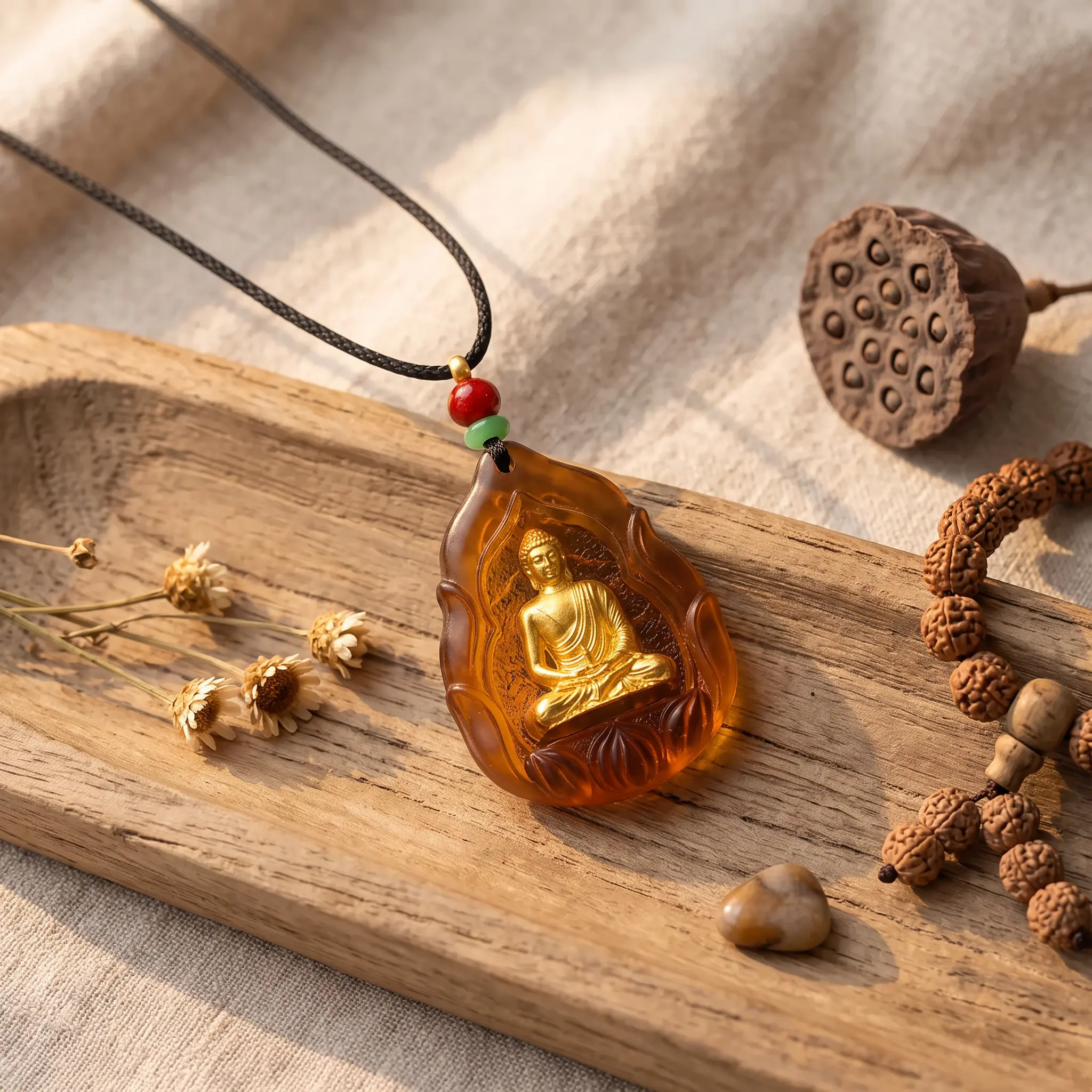
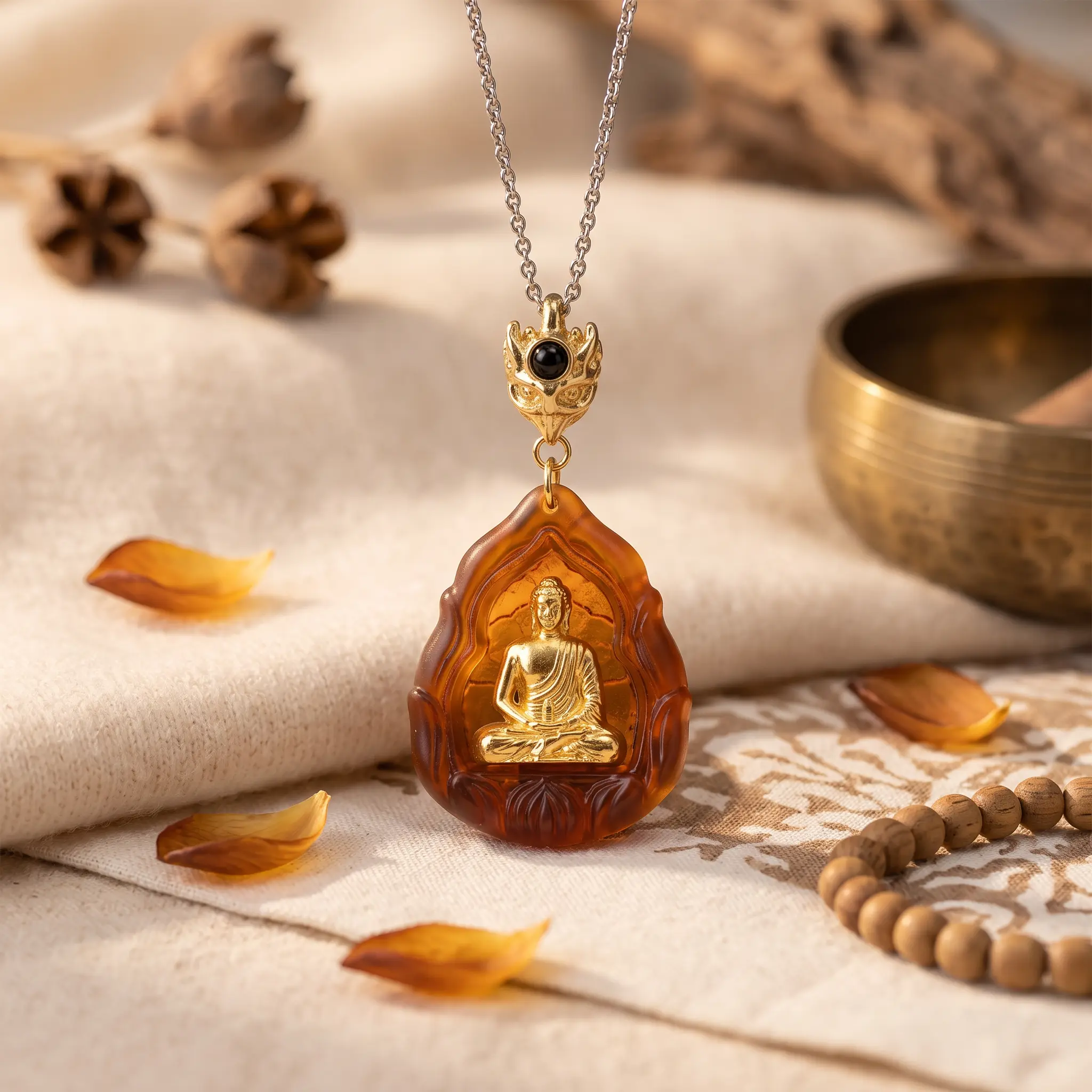
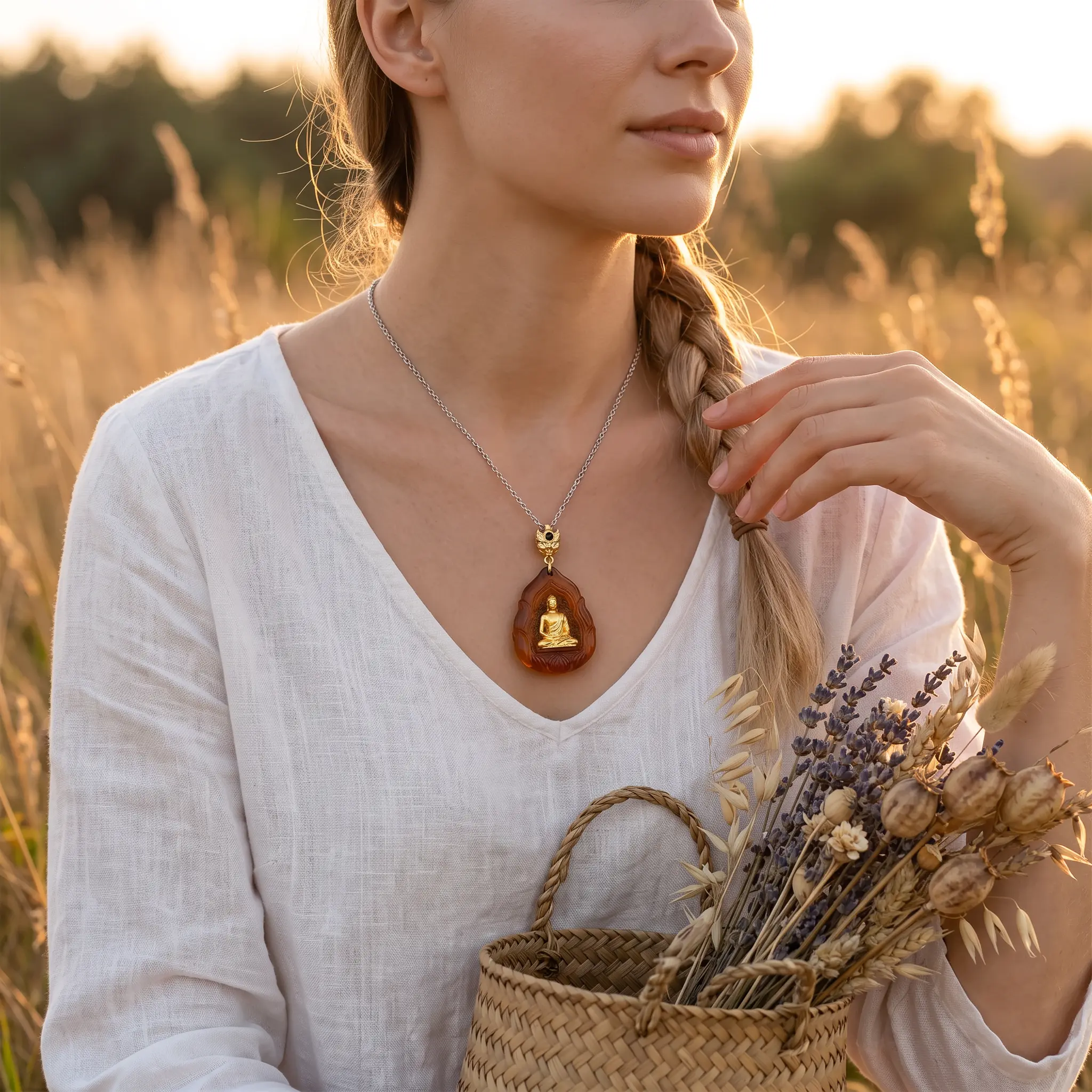
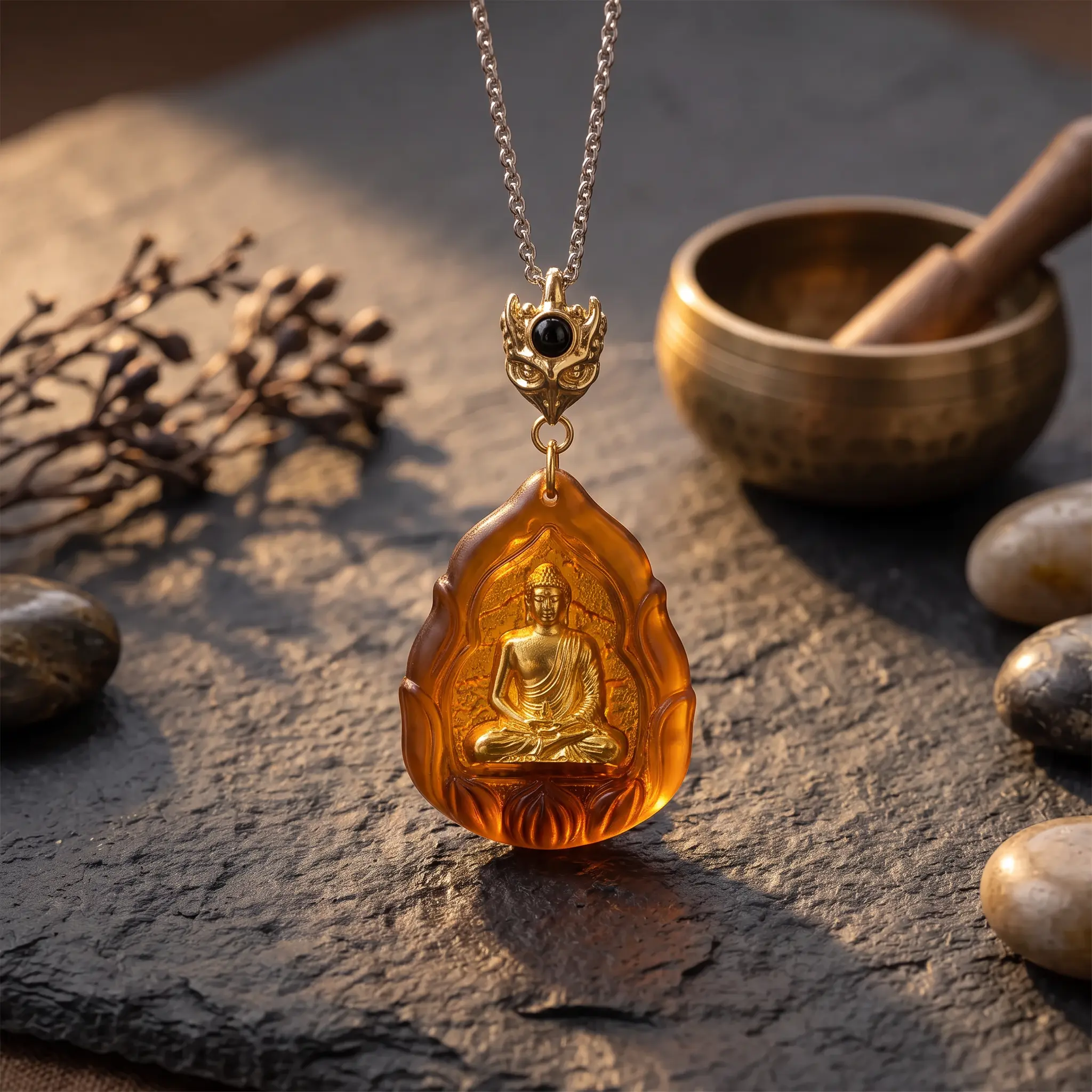
This liuli Buddha pendant necklace is made to be worn, not kept on a shelf. A seated Buddha, finished in gold-inlaid detail, rests inside a lotus-shaped shrine of warm, amber-toned art glass. Hold it up to a window and the glass glows like honey.
It measures 4.8 × 3.6 cm and weighs about 20 g. That’s big enough to be noticed and light enough to forget you have it on. Choose a handwoven cord or a Garuda chain. Either way, you get a small, steady reminder to slow down and breathe.
At shaolinstore, we love pieces that carry the spirit of Chan (Zen) practice associated with Shaolin: simple, daily, and grounded in the body. This pendant fits that spirit.
Choose Your Style: Handwoven Cord or Garuda Chain
Same amber liuli pendant. Two different moods.
| Handwoven Cord | Garuda Micro-Carved Chain | |
|---|---|---|
| Look | Black braided cord with a gold accent bead, a red bead and a green bead. Earthy and devotional. | Silver-tone cable chain with a gold Garuda bail set with a black bead. Sharper and more modern. |
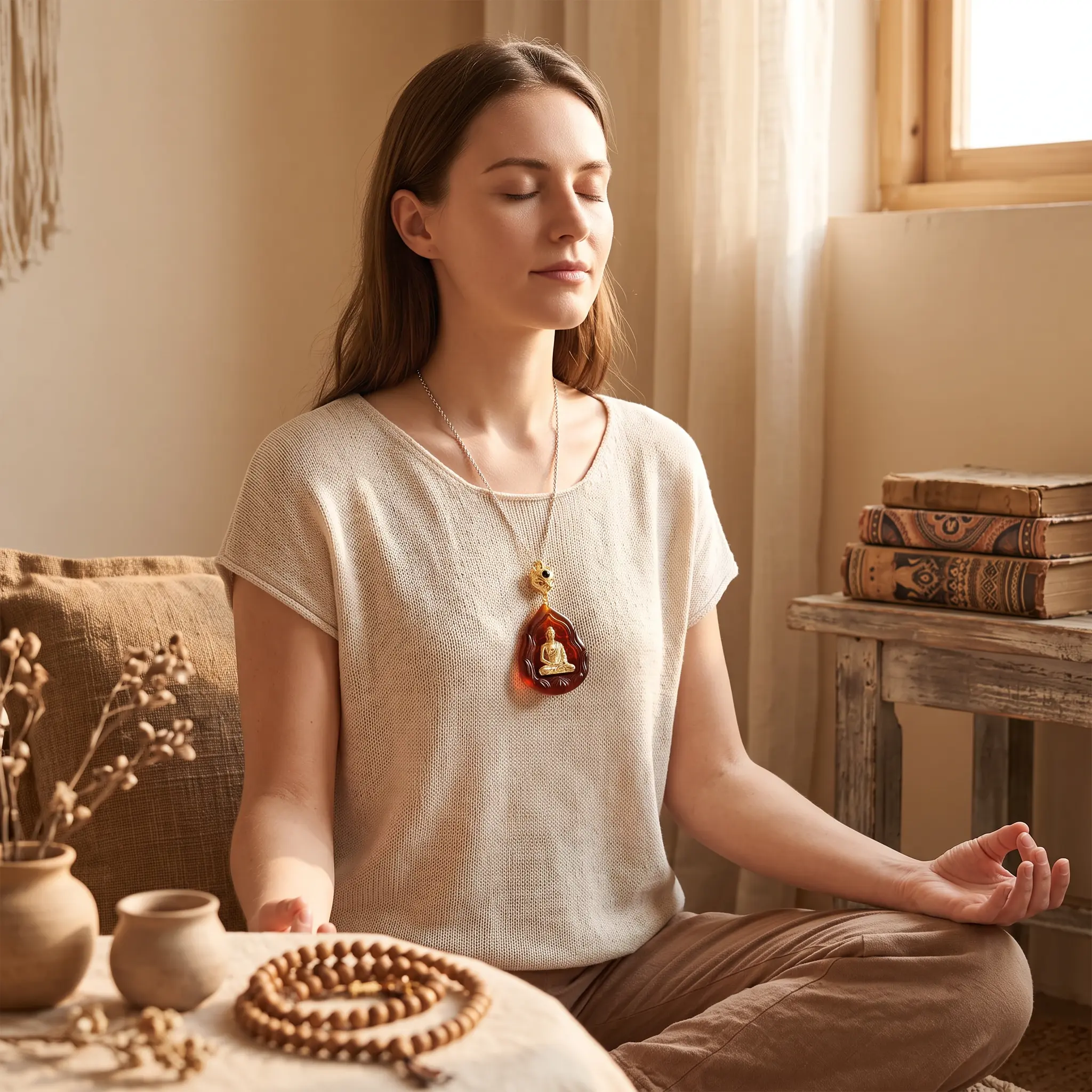
| Best for | Meditation, everyday wear under linen or knits, layering with mala beads. | Tees and open collars, or anyone who wants the Garuda’s protector symbol. |
| Keep in mind | Remove before water. The cord softens with wear. | Have sensitive skin? Ask the shaolinstore team about the chain metal before you order. |
Not sure? Pick the cord for quiet days and practice. Pick the chain if the Garuda speaks to you.
What Is Liuli? (And Why This Is Glass, Not Amber)
Let’s be direct. This pendant is liuli art glass in an amber tone. It is not natural amber, which is fossilized tree resin. We’d rather you know that now than find out later.
An Ancient Name, A Modern Craft
Liuli (琉璃) is a Chinese word for glasswork and for bright, jewel-like surfaces. In Buddhist texts it also names the radiant blue stone of lapis lazuli. The Medicine Buddha, for example, is called Master of Lapis Lazuli Light (藥師琉璃光). Modern studio liuli took off in Taiwan in the late 1980s, and today it is prized as cast art glass.
How Cast Glass Is Made
Liuli is traditionally made by lost-wax casting. A wax model is pressed into a mold. The wax is steamed out. Glass is then fired in a kiln to fill the empty space. The mold is usually broken after one use.
Because glass forms inside a mold, tiny bubbles and slight color shifts are normal. They are part of how cast glass looks, and they make each pendant a little different.
Liuli vs. Crystal vs. Amber
- Liuli: cast art glass. Translucent, glowing, and here, amber-toned.
- Crystal: a glass term tied to lead content. We don’t use it. We call this piece liuli art glass.
- Amber: fossilized resin. Warm and very light. Glass feels cooler and heavier in the hand.
The Meaning Behind the Design
The Lotus-Seated Buddha
The lotus grows up through mud and opens clean. In Buddhist art, it stands for a mind that can rise above difficulty. Your Buddha sits in a meditation posture on a carved lotus base, hands resting in the lap.
A pendant can’t make you calm. It can remind you to come back to calm.
The Shrine Silhouette
The arched, flame-like frame echoes the Tibetan gau, a portable shrine amulet worn close to the body. This is a design nod, not an openable box. Think of it as a shrine you carry in shape, not in contents.
The Garuda Bail (Chain Style)
Garuda is a great bird-like being in Buddhist and Himalayan art. He is counted among the Eight Classes of beings who protect the Dharma, and he is the traditional enemy of the nagas. On this chain, he stands for courage and for getting past obstacles. A small black bead sits between his eyes.
The Shaolin Connection
Shaolin is famous for Chan practice, where awareness is built through simple repetition: sit, breathe, begin again. This pendant rests on your chest while you do that. It is not a charm with powers. It is a prompt, and prompts work best when you can see and feel them.
Specifications
| Design theme | Lotus-seated Buddha, lotus shrine, Garuda micro-carving |
|---|---|
| Material | Liuli glass (cast art glass) |
| Craftsmanship | Gold-inlaid detailing |
| Color | Amber |
| Pendant size | 1.89 × 1.42 × 0.39 in / 4.8 × 3.6 × 1 cm |
| Weight | 0.71 oz / 20 g |
| Style 1 | Amber pendant with handwoven cord |
| Style 2 | Amber pendant with Garuda micro-carved chain |
Each pendant is cast glass, so small bubbles and slight color differences are normal.
How to Wear It Respectfully
You don’t need to be Buddhist to wear this. You do need to wear it with care. These four habits cover most of what matters:
- Wear it above the waist, near the chest, never at the hip or in a back pocket.
- Take it off before bathing, swimming, and sleep. This protects the cord and the glass too.
- Store it safely. Don’t drop it on the floor or toss it loose into a bag. Keep it in a soft pouch or box.
- Know what it shows. A seated Buddha is a symbol of practice, so treat it as one, not as a costume piece.
Caring for Liuli Glass
- Wipe with a soft, dry cloth after wearing.
- For grime, use mild soap and lukewarm water. Dry it fully, and keep the cord from soaking.
- Skip ultrasonic cleaners and harsh chemicals.
- Remove it for sports and heavy work. Glass can chip on hard impact.
- Put perfume and lotion on first, and let them dry before you wear it.
- Store it flat, away from other jewelry, so nothing scratches the glass.
A Thoughtful Gift
Want a gift that says more than “I saw this and thought of you”? This pendant suits a meditation practitioner, someone beginning a new chapter, or a collector of Asian art glass.
Add one line about what the lotus means. That small note turns a necklace into something personal. If you need help picking a style, message the shaolinstore team before you order.
Frequently Asked Questions
Is this real amber?
No. It is amber-toned liuli art glass. Real amber is fossilized resin. Glass feels cooler and heavier, and this pendant weighs about 20 g.
What is liuli glass?
Liuli is Chinese art glass, traditionally cast by the lost-wax method. It is translucent and glows when light passes through. Small bubbles are normal.
Can non-Buddhists wear a Buddha necklace?
Yes. Respect matters more than religion. Wear it above the waist, take it off for bathing and sleep, and treat it as a symbol of practice.
How should I wear a Buddha pendant respectfully?
Keep it near the chest, never at the waist. Remove it before water and sleep. Store it in a soft pouch or box, not loose in a bag.
What does the Garuda on the chain represent?
Garuda is a protector of the Dharma in Buddhist and Himalayan art. On this chain, he stands for courage and overcoming obstacles.
Which style should I choose, cord or chain?
Choose the handwoven cord for meditation and a softer, earthy look. Choose the Garuda chain for a sharper look and the protector symbol.
Ready to wear it? Choose your style above and add it to your cart. Cord or chain, you get the same amber liuli Buddha and gold-inlaid lotus shrine, from shaolinstore.
| Style | Garuda Micro-Carved Chain, Handwoven Cord |
|---|
Related Products
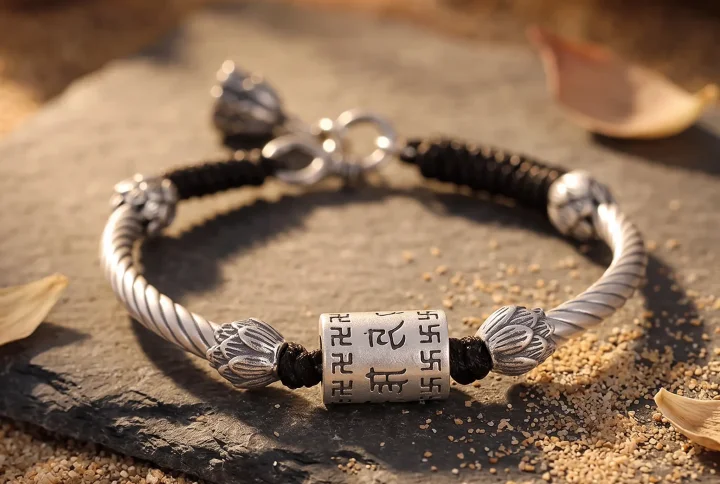
Vintage Silver over Copper Om Mani Padme Hum Woven Cord Bracelet
Original price was: $63.95.$58.95Current price is: $58.95.
Sandstone Buddha Statue with Open-Center Tealight Display
Original price was: $120.95.$96.95Current price is: $96.95.
Sandblasted Tungsten Ring – Gold Leaf Good Luck Band
Original price was: $136.95.$122.95Current price is: $122.95.
Citrine & Tiger’s Eye Bracelet – 12 mm Phantom Quartz with Green Rutilated Quartz & Amethyst
Original price was: $83.95.$69.95Current price is: $69.95.Recently Viewed Products
Shaolin Quiet Sakyamuni Statue: Bronze-Tone Qingsha Stone Buddha Bust with Silence Gesture
Original price was: $250.95.$195.95Current price is: $195.95.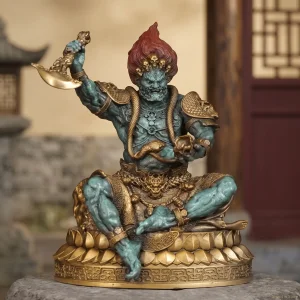
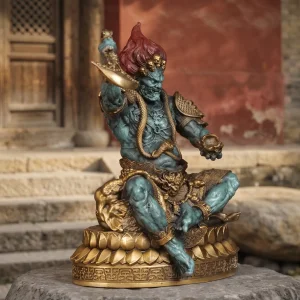
Handcrafted Copper Mahakala Sculpture – Seated Protector Statue for Home, Altar & Meditation Space
Original price was: $465.95.$425.95Current price is: $425.95.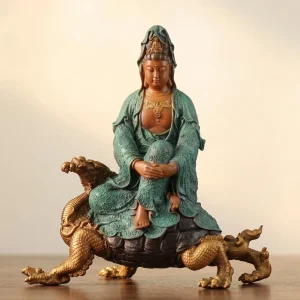

Longevity Guanyin on Loong Turtle – Handcrafted Copper Sculpture for Peace & Stability
Original price was: $725.95.$699.95Current price is: $699.95.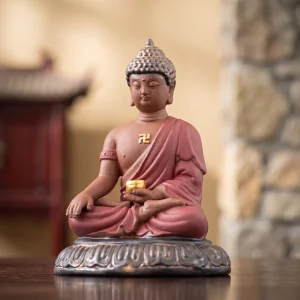
Ceramic Shakyamuni Buddha Statue: Handcrafted Earth-Touching Buddha with Alms Bowl (6.9 in)
Original price was: $113.95.$89.95Current price is: $89.95.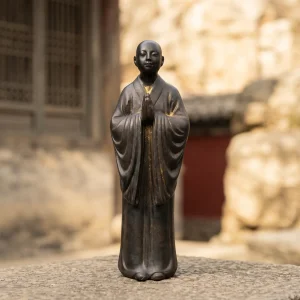
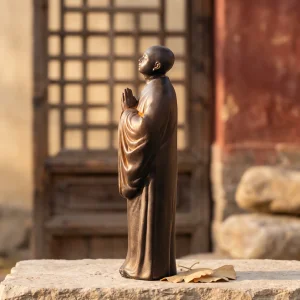
Iron Buddha Statue – Reclaimed Shaolin Iron for Mindfulness & Inner Peace
Original price was: $102.95.$88.95Current price is: $88.95.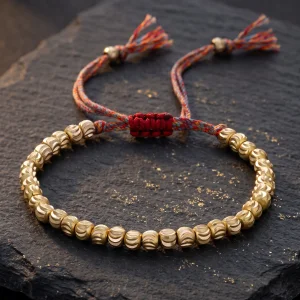
Copper Beads Tibetan Bracelet, Blessed by Shaolin Monks
Original price was: $66.95.$58.95Current price is: $58.95.
Seated Guanyin Statue – Painted Aged Copper Kwan Yin
Original price was: $493.95.$465.95Current price is: $465.95.
Thousand-Armed Guanyin Brass Statue with Engraved Heart Sutra
Price range: $160.95 through $480.95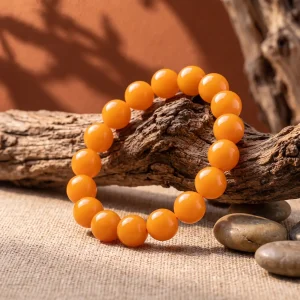
Natural Yellow Jade Bead Bracelet: Honey-Yellow Burmese Stone, 8–10mm & 108-Bead Mala
Price range: $81.95 through $132.95
Reviews
There are no reviews yet.