
Creative Six-Hole Lotus Incense Burner – Two-Piece Lotus Incense Holder for Sticks with Detachable Ash Catcher
-
Free shipping on all orders. Estimated delivery: 5–10 business days (U.S., Germany & U.K.), 10–16 business days (international).
-
Return within 60 days of purchase. Shipping & Return

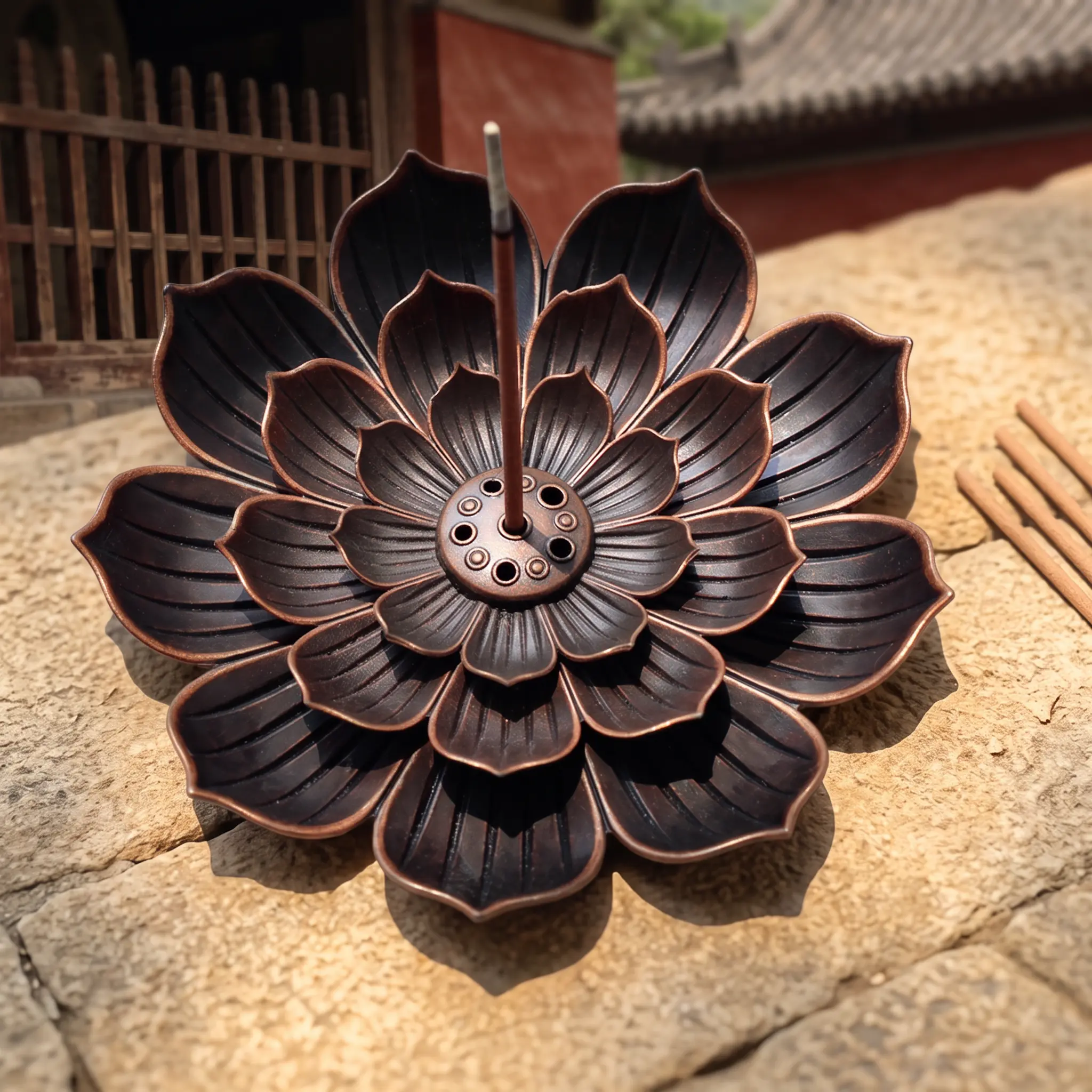
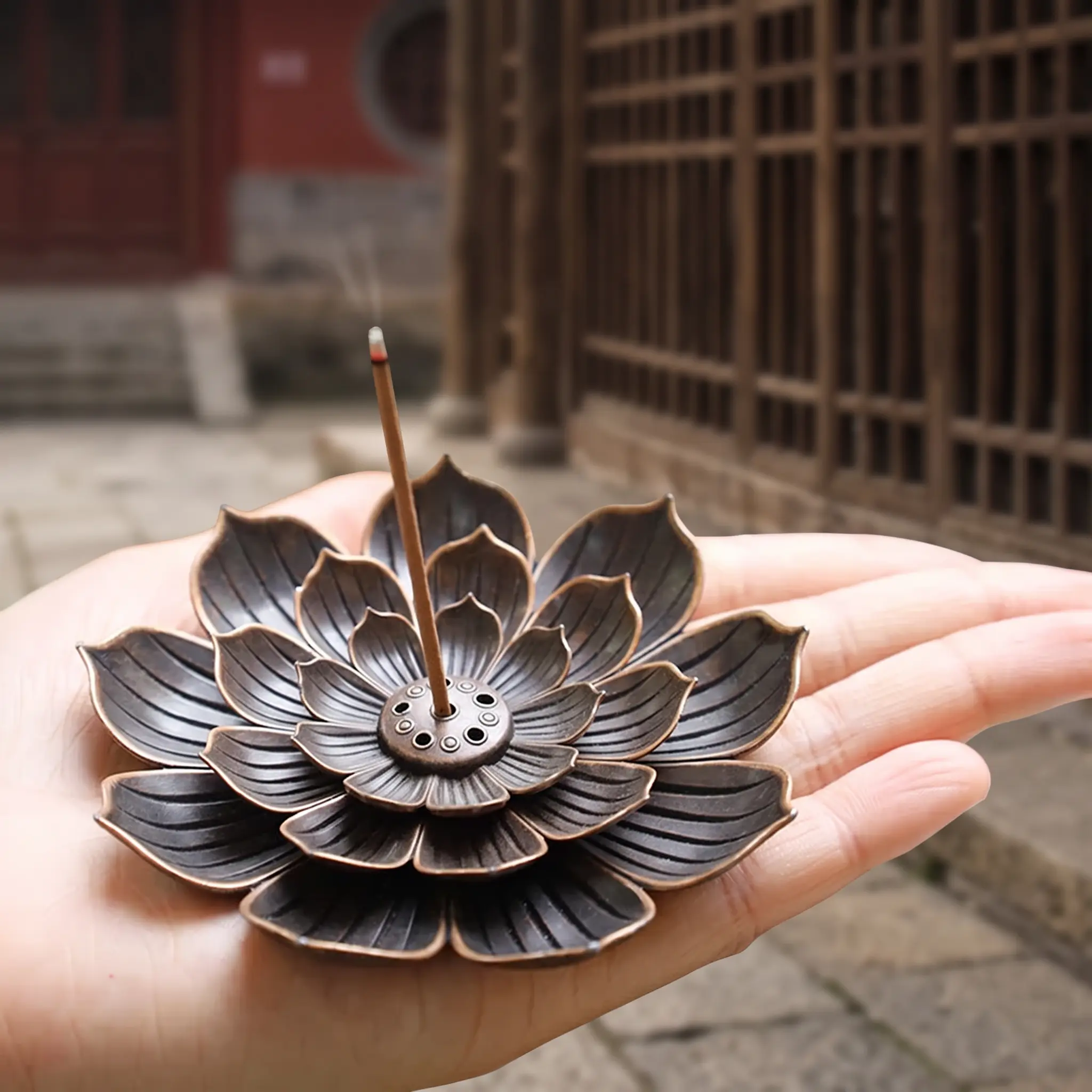
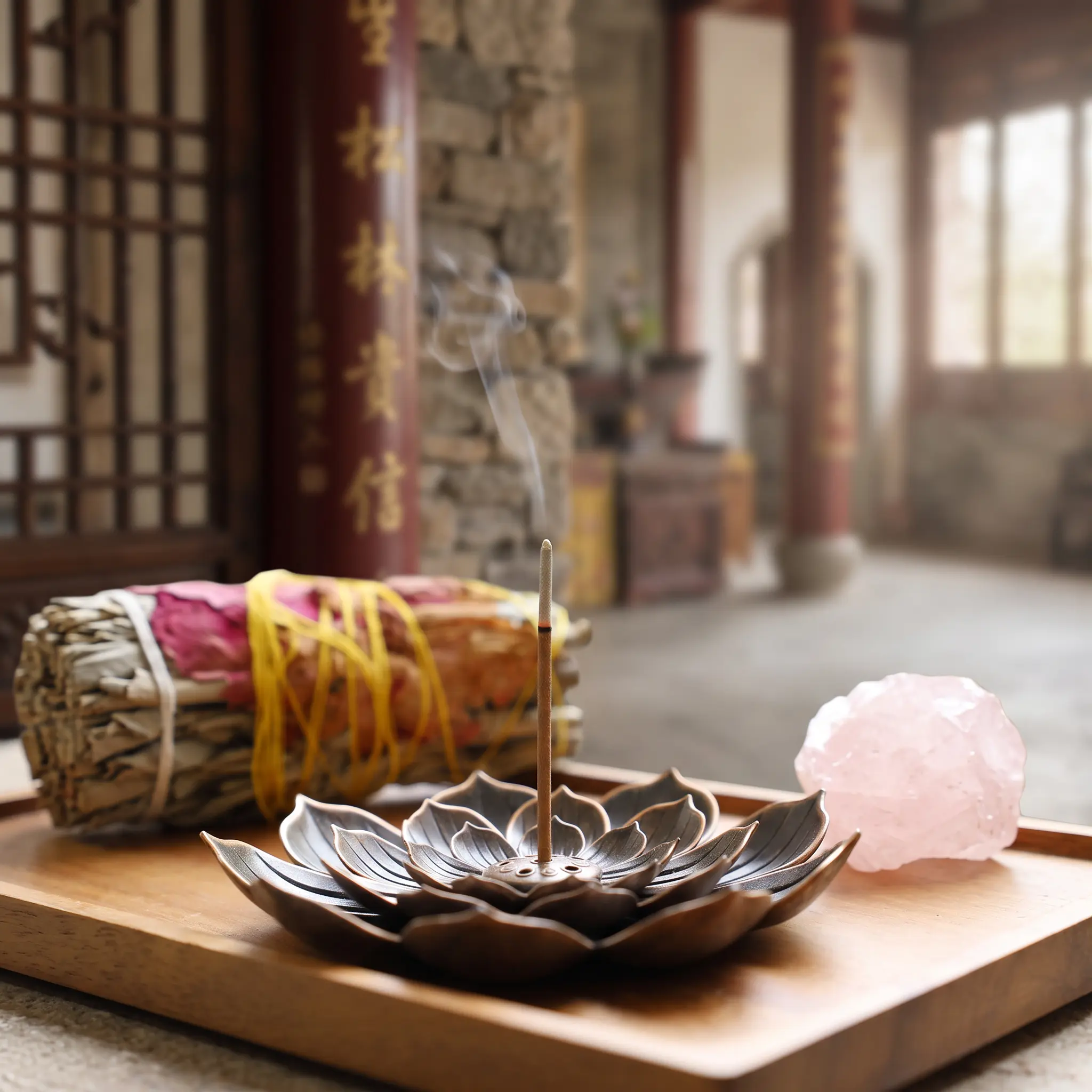
This lotus incense burner is a two-piece lotus with an antique bronze finish. It holds your stick upright and keeps the ash on its petals instead of your altar cloth. It’s made for people who light incense every day: before sitting, before chanting, or to close the workday. If you’ve ever wiped grey streaks off a shelf, this lotus incense holder was designed for exactly that problem.
Why This Lotus Incense Holder Stands Out
Most lotus holder listings warn you that ash “may fall outside.” We’d rather show you how to stop that happening. It comes down to geometry: a vertical stick drops its ash straight down, and this lotus gives that ash a wide, layered place to land.
Three-Layer Lotus with Copper-Edged Petal Veins
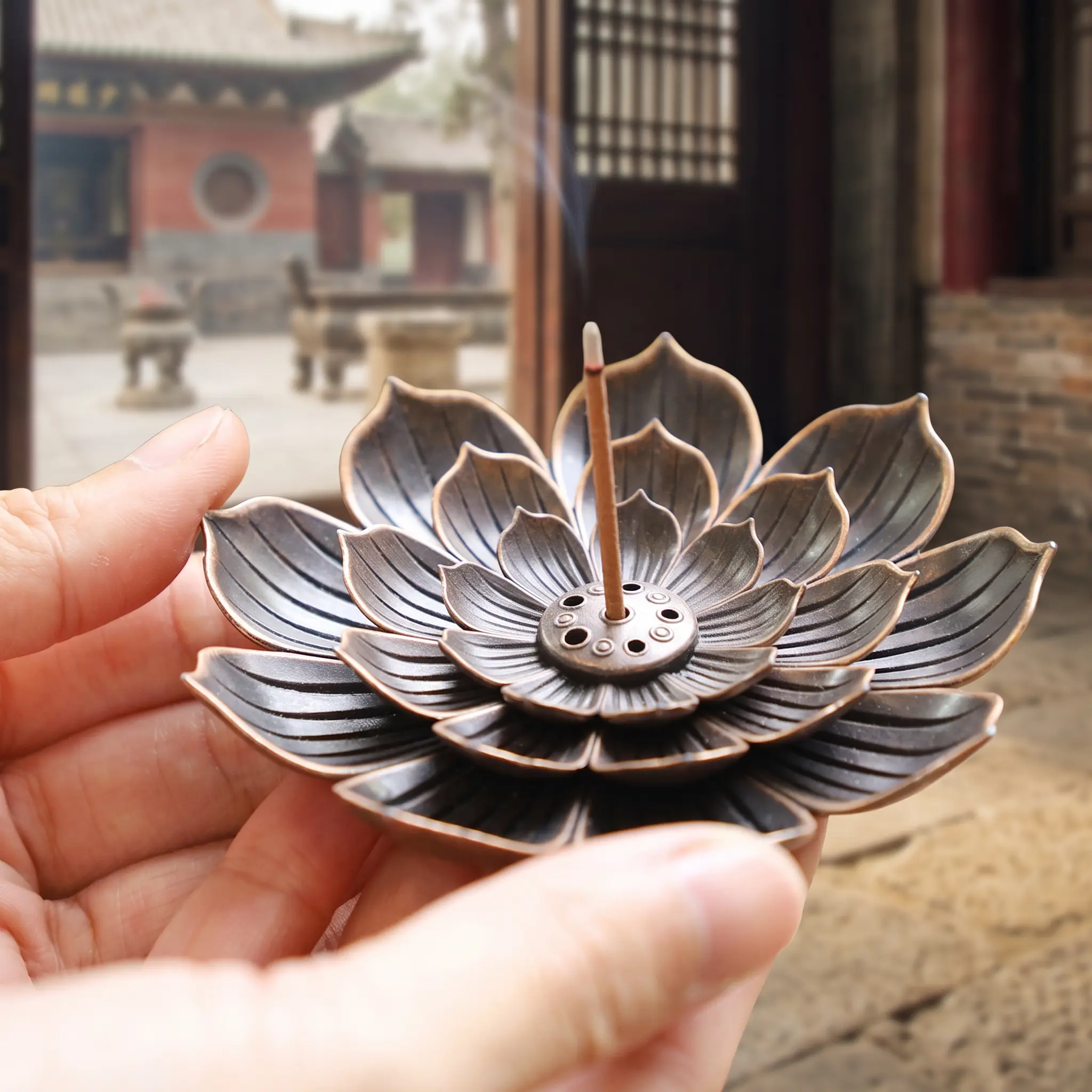
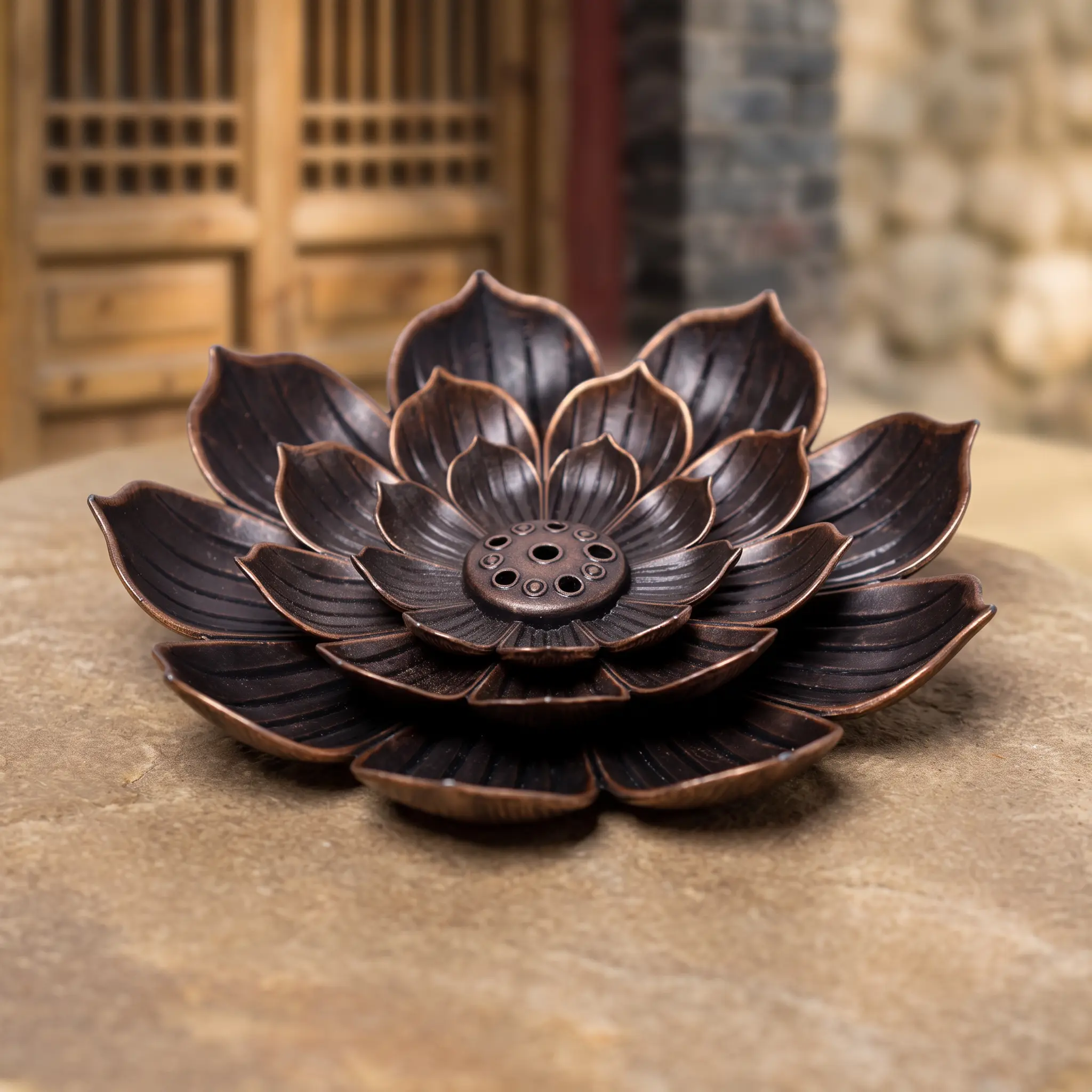
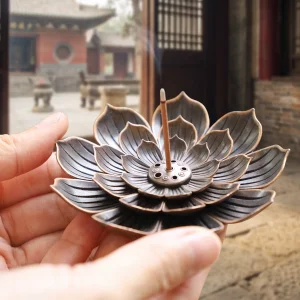
Three rings of ribbed petals open around the centre. Each petal edge is picked out in lighter copper over a dark antique-bronze base, so the veins catch the light even in a dim meditation corner. The ribs do a job too. They give fine ash somewhere to settle so it doesn’t slide off.
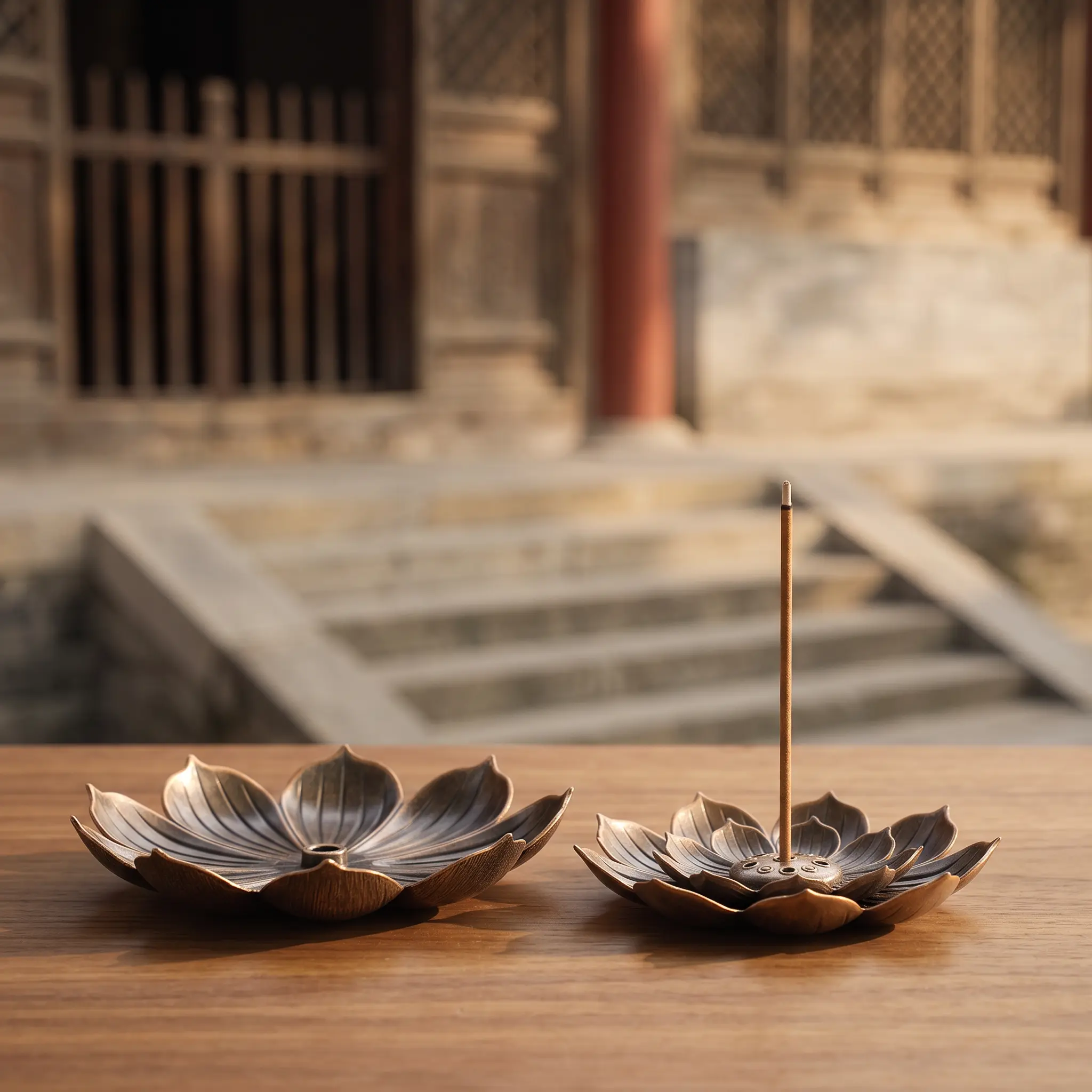
Two-Piece Design – Lift-Off Seat, Wide Ash Catcher
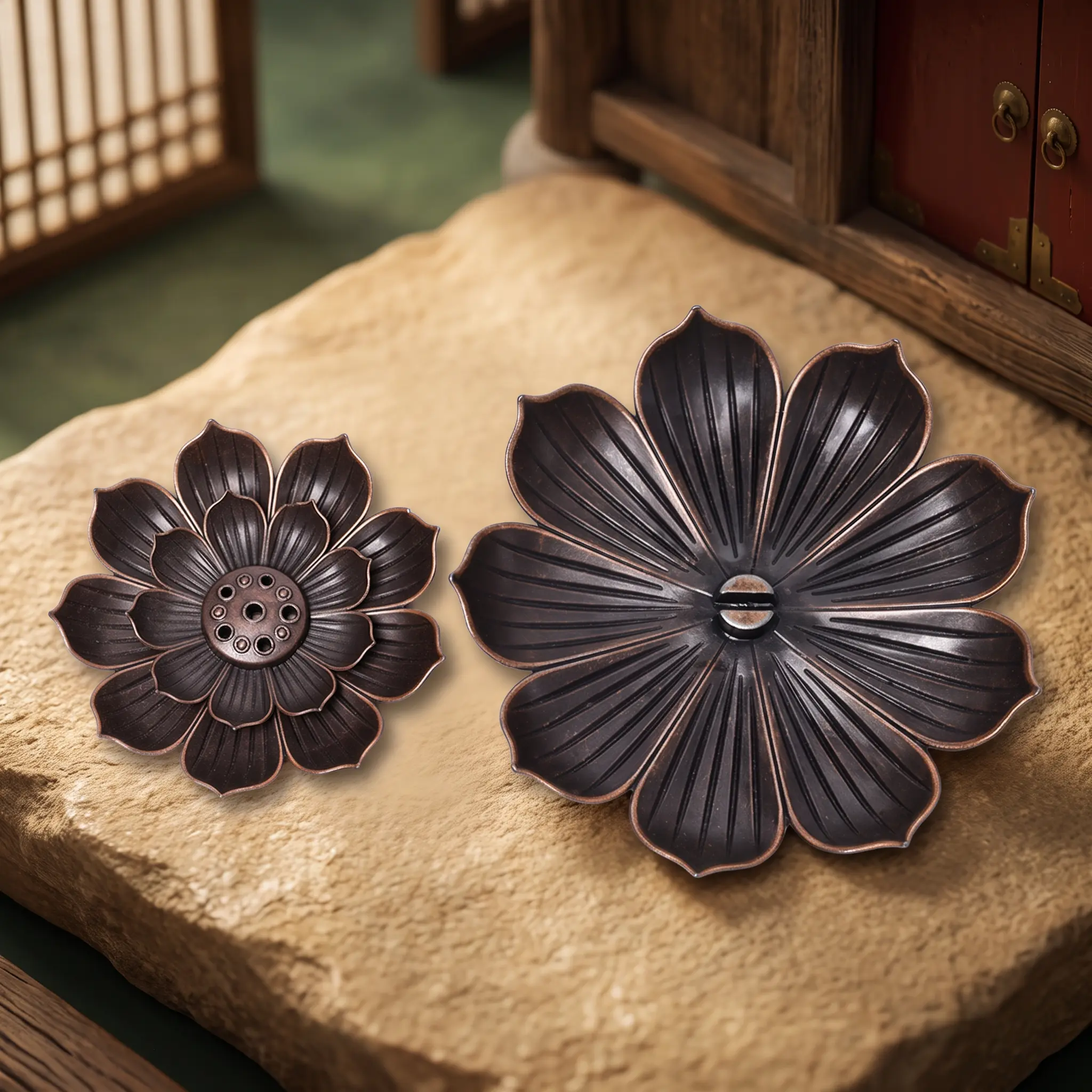
The set comes in two parts. The small upper lotus seat carries the perforated centre disc. The larger lower petal tray is your ash catcher, and a short post in its middle locates the seat. Lift the seat off and you can tip the tray clean in seconds. There’s no scraping around a fixed stand.
Graduated Holes for Different Stick Sizes
The centre disc has holes in graduated diameters, and the maker lists six. Slim Japanese sticks, standard bamboo-core Indian sticks and Chinese temple sticks can each find a snug hole, so the stick stands straight and doesn’t lean. A customer, Teresa S., summed it up:
“It catches all the ash and holds a variety of different sized incense.”
There is one honest limit. Thick, coreless Tibetan sticks may not fit. Learn Religions notes that ash-catcher burners are intended for bamboo-core incense and “might not work with solid incense.” For those sticks, a sand-filled bowl is the better choice.
Specifications at a Glance
| Material | Zinc alloy with antique bronze/copper finish (brass-look; not solid brass, not ceramic) |
|---|---|
| Lotus diameter | Approx. 3.5 in / 8.8 cm (manual measurement, slight variation possible) |
| Height | Approx. 0.5 in / 1.3 cm as listed; assembled height to be confirmed |
| Holes | Multiple holes in graduated sizes (listed as six) |
| Max stick length | Approx. 8 in / 21 cm recommended |
| Compatible incense | Bamboo-core stick incense (main use); small cones only with the precautions below |
| Weight | Approx. 85 g |
| Blessing | Blessed by Shaolin monks |
| In the box | 1 × two-piece lotus incense burner; incense not included |
How to Use Your Lotus Incense Burner
Burning Stick Incense in 3 Steps
- Place it. Set the assembled lotus on a stable, heat-safe surface, away from curtains, overhanging shelves and drafts.
- Light it. Let the tip flame for a few seconds, then wave the flame out. Don’t blow it out: in many Asian Buddhist homes that is considered disrespectful.
- Seat it. Push the unlit end into the hole that fits most snugly, and keep the stick vertical.
Keeping Ash on the Tray
- Keep the stick upright. Angled sticks drop ash past the rim.
- Use sticks no longer than about 8 in / 21 cm.
- Keep the burner out of the airflow from fans and open windows.
- Empty the tray every few sticks so the ash doesn’t build up.
The Meaning of the Lotus in Incense Ritual
Purity Rising from Mud
The lotus grows from mud but flowers clean above the water. In the Doṇa Sutta (AN 4.36, translated by Thanissaro Bhikkhu), the Buddha uses this image for awakening:
“Just like a red, blue, or white lotus — born in the water, grown in the water, rising up above the water — stands unsmeared by the water, in the same way I — born in the world, grown in the world, having overcome the world — live unsmeared by the world.”
Chinese culture kept the image alive. The Song-dynasty scholar Zhou Dunyi wrote that he loved the lotus “for rising from the mud yet remaining unstained.” Chan reads it practically: awakening happens in the middle of ordinary life, not away from it.
Incense and the Three Jewels
Offering incense is found in every school of Buddhism, but Buddhists don’t always agree on why. Learn Religions notes that in some schools three sticks burned together may signify the Three Treasures: the Buddha, the Dharma and the Sangha. A multi-hole disc makes that easy: three sticks stand upright in three holes, evenly spaced. A single stick is fine for daily practice too, and stick incense has long served as a meditation timer. Follow your own teacher or lineage first.
Blessed by Shaolin Monks
Britannica records that construction of Shaolin Temple on Mount Song began in 495 under the Northern Wei emperor Xiaowendi, and calls the temple the birthplace of Zen Buddhism. shaolinstore shares that Han Chan heritage through spiritual jewelry and ritual objects, and this lotus incense burner has been blessed by Shaolin monks before it reaches you. To be clear: a blessing is an offering of good intention within Buddhist practice. It doesn’t change the metal or promise any outcome. What it adds is meaning. Each time you light a stick, it reminds you of a tradition practised at Shaolin since the temple’s founding in 495 CE.
Where to Use It: Meditation Corner, Altar, Yoga Room and Home
- Meditation corner: light one stick before you sit and let the burn mark the session.
- Home altar: place three sticks before a Buddha image for the Triple Gem.
- Yoga or reading nook: the low profile suits a small shelf or side table.
- Entryway: a quiet bronze accent on a console that greets you when you come home.
Wherever it goes, use a stable, heat-safe surface out of reach of pets and children. It’s light enough to move between rooms, but only once it’s cool. Never carry it with a lit ember.
Care and Cleaning
- Let the burner and ash cool completely.
- Lift off the seat.
- Tap the ash into a metal or ceramic dish, not straight into the wastebasket.
- Clear the petal grooves with a soft, dry brush.
- Wipe with a barely damp cloth, then dry fully.
- Avoid acidic or alkaline cleaners, abrasives and soaking.
Over months the copper highlights may soften and the patina may deepen. That’s normal for an antique finish, and many owners prefer it.
Frequently Asked Questions
What incense sticks fit this lotus incense holder?
Most standard bamboo-core sticks and slim Japanese sticks up to about 8 in / 21 cm fit. Thick coreless Tibetan sticks may not.
What’s the difference between an incense holder and an incense burner?
A holder supports a stick and catches its ash. “Burner” is the broader term and also covers vessels for cones, resin or charcoal. This piece is mainly a stick holder. We call it a burner because that’s what most people search for.
Can I burn cones or coils in it?
Only small ones, and only with the seat removed, a sand or ceramic layer in the tray and a heat-safe mat underneath. See the section above.
Why do people burn three sticks?
In Buddhism, three sticks often honour the Buddha, Dharma and Sangha. In Chinese folk and Taoist custom, three sticks are often linked with heaven, earth and humanity. One stick is perfectly fine for daily use.
Is burning incense indoors safe?
Be moderate about it. Health Canada lists burning candles and incense as an indoor source of fine particles (PM2.5) and advises: “Reduce the use of candles and incense.” Its fine particulate matter page adds that the smoke is worst when the flame is put out. Ventilate the room, keep sessions short, and never leave incense unattended.
Does it come with incense?
No. You get one two-piece lotus incense burner. Incense is not included.
Related Products
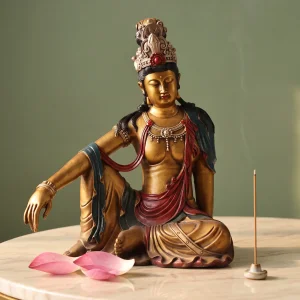
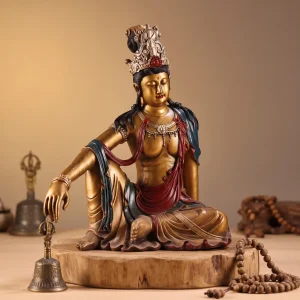
Seated Guanyin Statue – Painted Aged Copper Kwan Yin
Original price was: $493.95.$465.95Current price is: $465.95.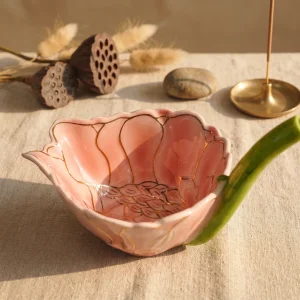
Handcrafted Lotus Stem Straw Cup: Pink Ceramic Lotus Sipping Cup with Gold Detailing (4.6 oz)
Original price was: $250.95.$230.95Current price is: $230.95.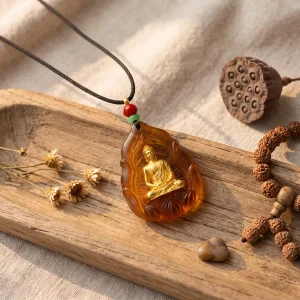

Amber Liuli Buddha Lotus Shrine Pendant Necklace – Amulet
Original price was: $96.95.$84.95Current price is: $84.95.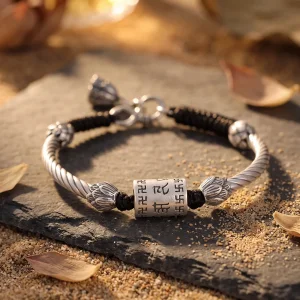
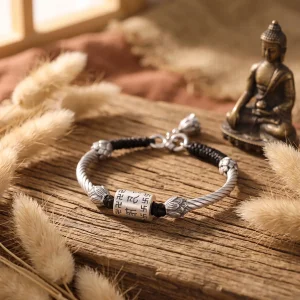
Vintage Silver over Copper Om Mani Padme Hum Woven Cord Bracelet
Original price was: $63.95.$58.95Current price is: $58.95.Recently Viewed Products
Amber Liuli Buddha Lotus Shrine Pendant Necklace – Amulet
Original price was: $96.95.$84.95Current price is: $84.95.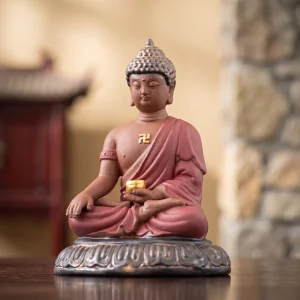
Ceramic Shakyamuni Buddha Statue: Handcrafted Earth-Touching Buddha with Alms Bowl (6.9 in)
Original price was: $113.95.$89.95Current price is: $89.95.
One Thought Buddha & Demon Statue | Solid Sandstone Half Buddha Half Demon Meditation Sculpture
Original price was: $235.95.$205.95Current price is: $205.95.
Sandalwood Incense Sticks – 200 Count, Monk-Blessed Temple-Style Incense
Original price was: $89.95.$72.95Current price is: $72.95.

Dragon & Phoenix Pendant Necklace: 999 Fine Silver Loong & Fenghuang with Artisan Enamel
Price range: $388.95 through $706.95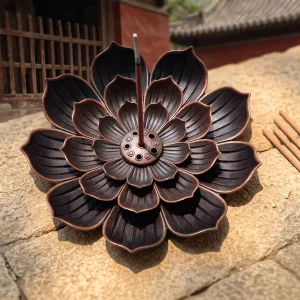
Creative Six-Hole Lotus Incense Burner – Two-Piece Lotus Incense Holder for Sticks with Detachable Ash Catcher
Original price was: $62.95.$48.95Current price is: $48.95.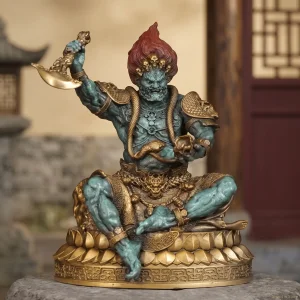
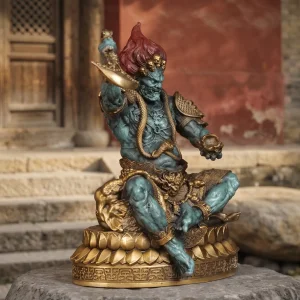
Handcrafted Copper Mahakala Sculpture – Seated Protector Statue for Home, Altar & Meditation Space
Original price was: $465.95.$425.95Current price is: $425.95.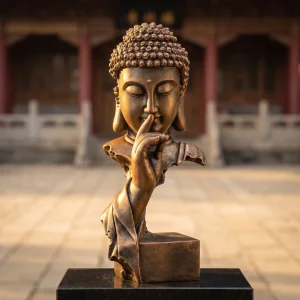
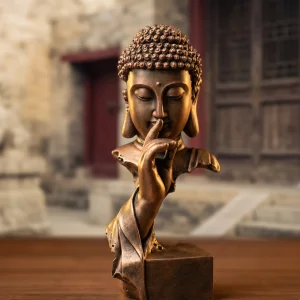
Shaolin Quiet Sakyamuni Statue: Bronze-Tone Qingsha Stone Buddha Bust with Silence Gesture
Original price was: $250.95.$195.95Current price is: $195.95.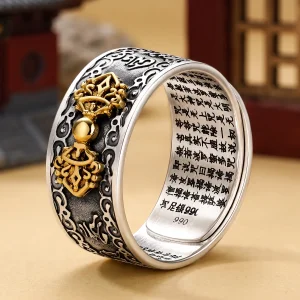
Buddhist Heart Sutra Ring - Calm & Focus
Original price was: $170.95.$150.95Current price is: $150.95.
Reviews
There are no reviews yet.