
Seated Buddha Statue – Antique Stone Finish for Meditation & Peace
-
Free shipping on all orders. Estimated delivery: 5–10 business days (U.S., Germany & U.K.), 10–16 business days (international).
-
Return within 60 days of purchase. Shipping & Return

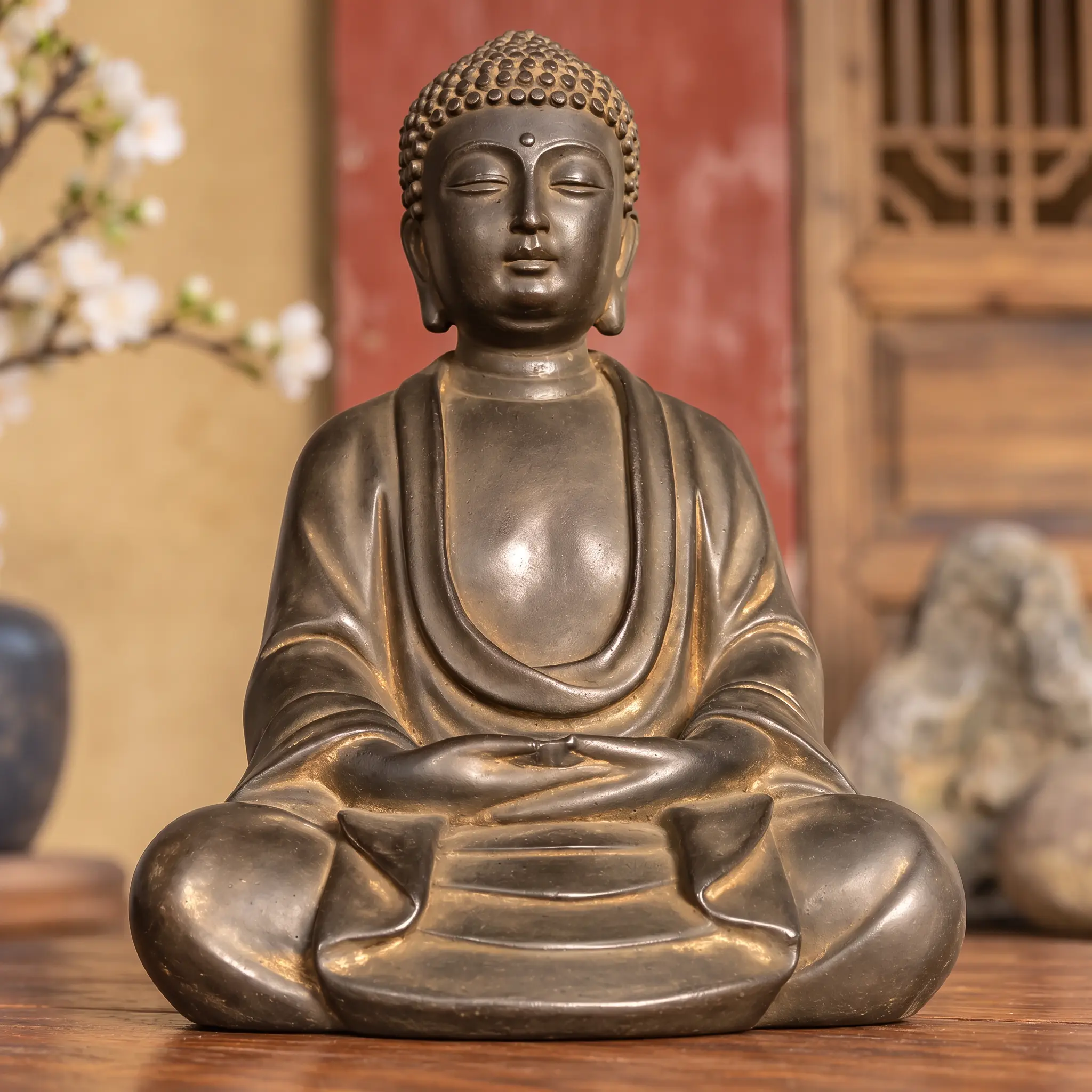
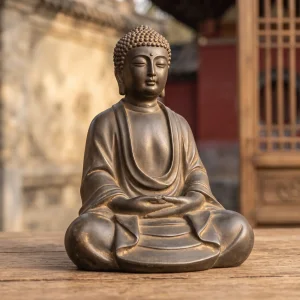
You know the moment. The day winds down, the room goes quiet, and your mind keeps running anyway. This seated Buddha statue gives that moment somewhere to land. It is a serene Shakyamuni figure in meditation posture, finished in a weathered antique stone look, and just 24 cm tall. Small enough for a shelf. Present enough to change how a room feels.
At shaolinstore, we curate Spiritual Jewelry and ritual objects inspired by Han Chinese Buddhism, Chan (Zen), and Shaolin culture. This statue brings that same calm to your space.
Design & Symbolism: A Buddha in Meditation
Dhyana Mudra and the Lotus Posture
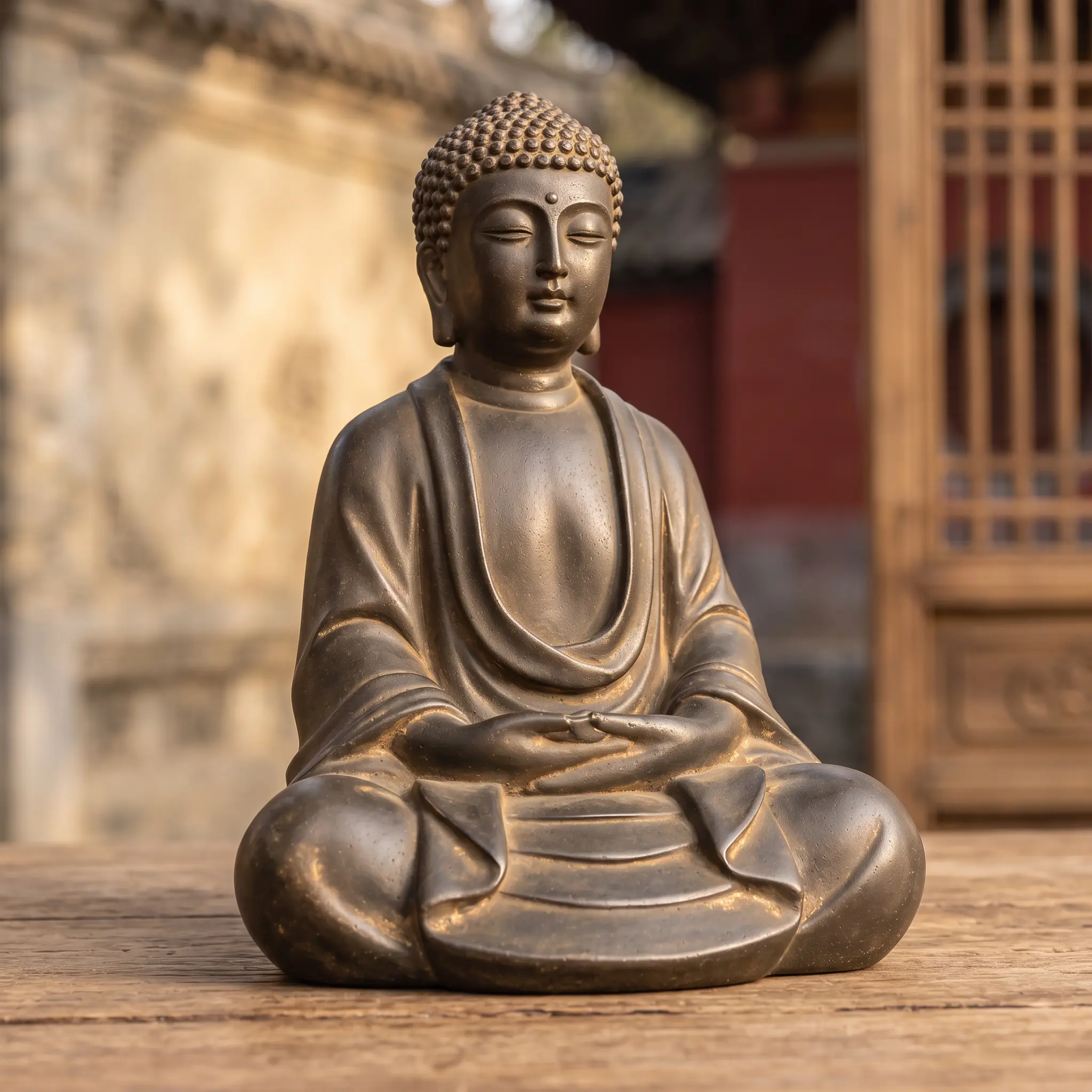
Look at the hands. They rest in the lap, palms up, one over the other, thumbs lightly touching. That is the dhyana mudra, the gesture of meditation. The legs are folded in the lotus posture, a seat built for balance and stillness. Together they send one message: sit, settle, let the mind clear.
Lowered Eyes, Serene Face
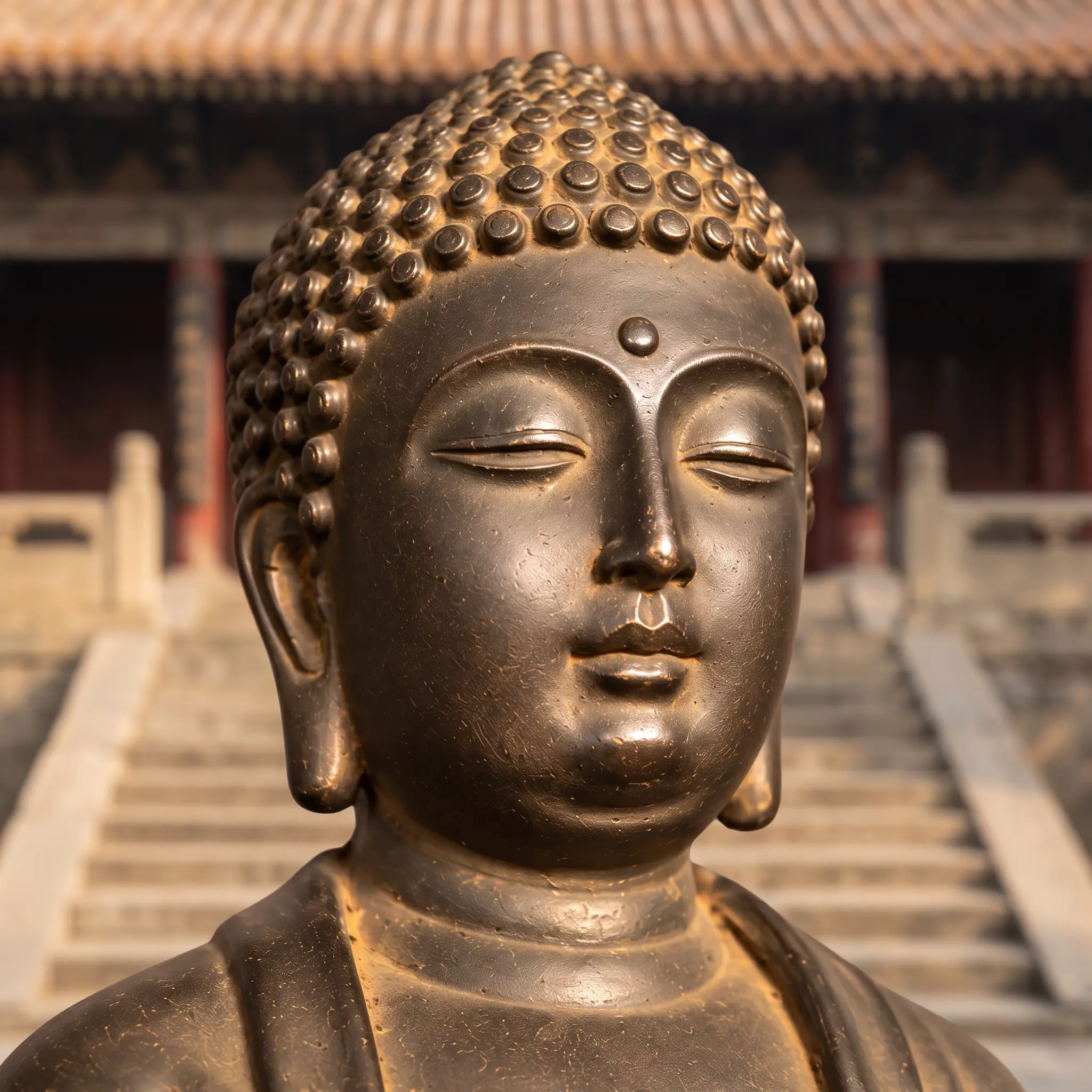
The eyes are gently lowered. The mouth holds a faint, calm smile. Nothing here is performing for you. It is a face turned inward, which is why it works in a room where you want to slow down. Curators at The Metropolitan Museum of Art describe the same downcast gaze and subtle smile in a historic Buddha as capturing the inner calm of awakening.
Snail-Shell Curls and the Ushnisha
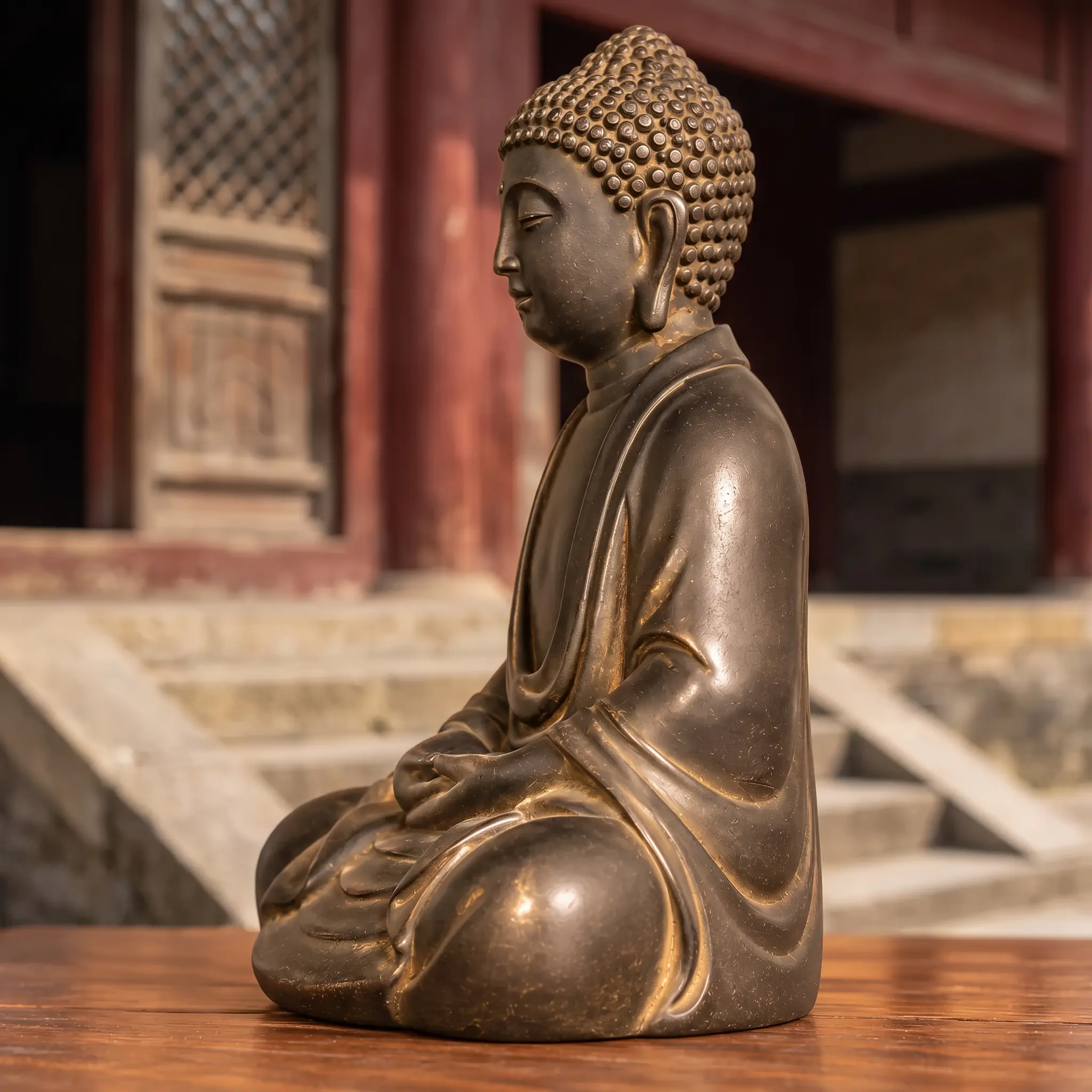
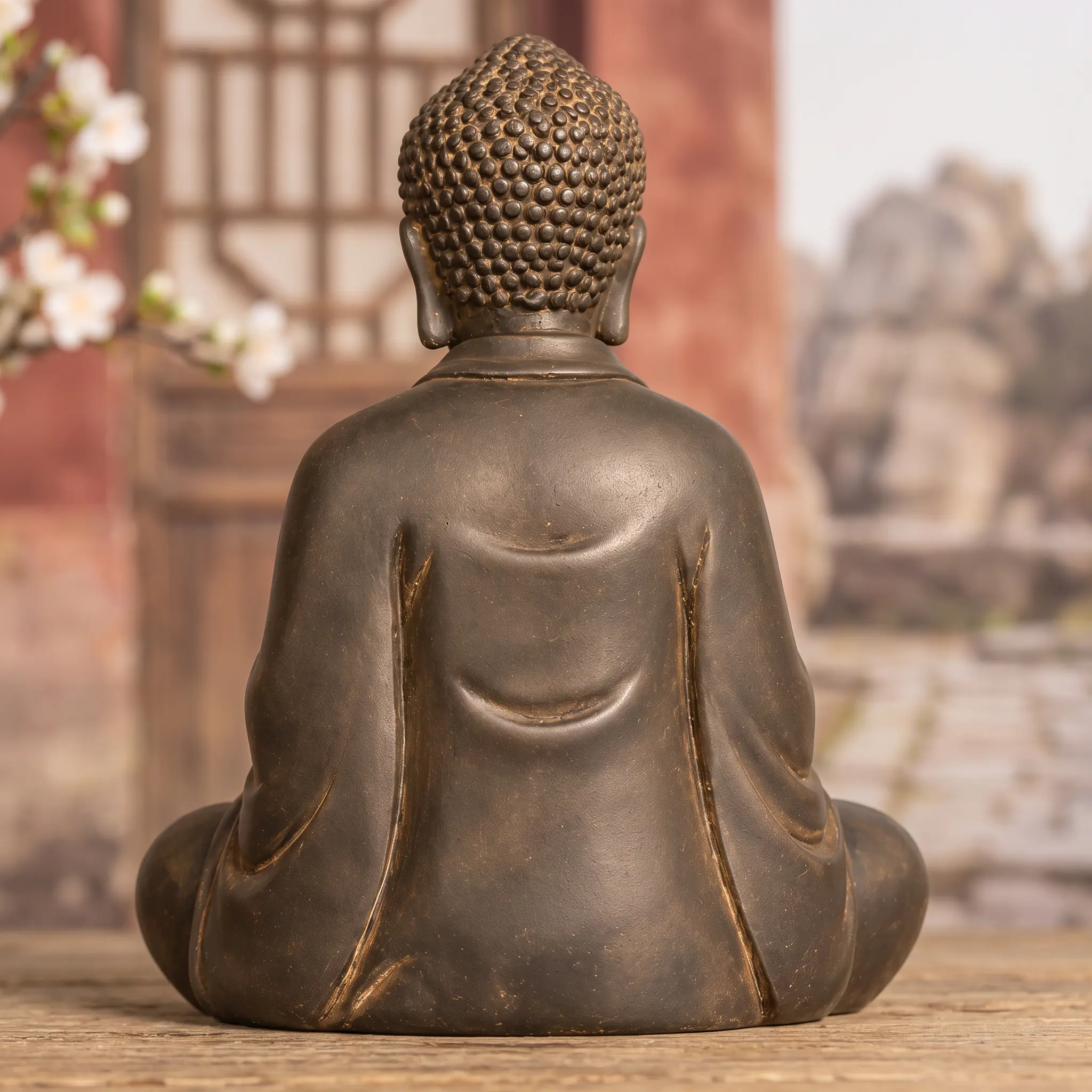
Turn the statue around and the detail keeps going. Tight curls cover the head, and the rounded crown is the ushnisha, a traditional sign of spiritual attainment in Buddhist art, as the Smithsonian’s National Museum of Asian Art notes. The small dot between the brows is the urna, another classic mark of a Buddha. You get these details from every angle, not just the front.
Beneath the Bodhi Tree
Buddhist tradition says Siddhartha Gautama sat beneath a Bodhi tree and meditated until he awakened to the nature of suffering and the mind. This statue honors that deep meditation.
One detail matters to us. Many sellers call every seated Buddha “the moment of enlightenment.” In Buddhist art, that moment is usually shown with a different gesture, the earth-touching mudra. The dhyana mudra shows the practice itself, the sitting that comes first. We think that is the more useful reminder for your own days.
Peace begins within.
From Dhyana to Chan: Why This Statue Belongs at shaolinstore
Dhyana is the Sanskrit word for meditation. Chinese Buddhists rendered it as Chan, and the same word became Zen in Japan. The Shaolin Temple on Mount Song, founded in 495 CE, is closely tied to Chan’s early story, and legend credits the monk Bodhidharma with bringing the practice there.
So a figure in dhyana mudra is not just decor. It echoes a line of practice that runs from India through China to Japan. That line is what shaolinstore is built around. We are a shop, not a temple, and we will always tell you plainly what a piece is made of.
Antique Stone Finish & Composite Stone Construction
A Finish That Looks Lived-In
The surface is deliberately weathered, like old temple sculpture. On the front, a dark aged stone tone gives way to warm bronze-gold highlights along the robe folds, chest, and knees. The back is matte, with the same gold catching in the creases. Light changes the mood: soft and quiet by day, richer under a warm lamp.
We say antique finish, not antique. This is a new piece, made to carry the look of age.
What “Composite Stone” Really Means
It is composite stone. That means it is not hand-carved natural stone and not solid metal. The material holds fine detail, from the curls to the robe folds, and it feels solid at 2.5 kg (5.51 lb). You can still move it easily from desk to altar. Keep it indoors on a dry surface and dust it with a soft, dry brush. Skip harsh cleaners.
Size & Placement: Where This Statue Fits
The Real Size
At 24 cm (9.45 in) tall with a 16.5 × 12 cm footprint, it stands about as tall as a large water bottle. Statues of 15–30 cm are widely recommended for shelves and compact altars, because the details stay readable without taking over the room. Give it a surface about 27 cm wide so it has space to breathe.
Four Simple Placement Rules
- Raise it. Use a shelf, console, or altar. Never the floor.
- Keep it clean. Dust it and clear the clutter around it.
- Face the room. Or face the spot where you sit to meditate.
- Choose a calm spot. Keep it away from shoes and bathrooms.
It looks right in a meditation corner, on a living-room console, in a home office, or on a bedroom shelf.
A Meaningful Spiritual Gift
This statue suits more moments than you might expect:
- A housewarming gift for someone who loves a calm home
- A friend who is starting to meditate
- A new chapter: retirement, recovery, a big move
- A quiet reward for yourself
Add a handwritten note that says “Peace begins within.” Give it to someone who welcomes sacred imagery, and the tone will be right. It is a full seated figure, which many people find more respectful to display than a lone head. And yes, buying one for yourself is fine. “Only as a gift” is a folk superstition, not Buddhist teaching.
Specifications
| Material | Composite Stone |
|---|---|
| Dimensions (L × W × H) | 16.5 × 12 × 24 cm (6.50 × 4.72 × 9.45 in) |
| Weight | Approx. 2.5 kg (5.51 lbs) |
| Finish | Antique Weathered Stone Effect |
| Color | Aged Stone Tone |
| Design | Seated Shakyamuni Buddha |
| Posture | Traditional Lotus Meditation Position |
Frequently Asked Questions
What does a seated Buddha statue symbolize?
Meditation, steadiness, and inner calm. It points to the practice that leads to awakening.
What does the hand gesture on this statue mean?
It is the dhyana mudra: hands resting palms-up in the lap. It stands for concentration and stillness.
Is this Shakyamuni or Amitabha?
It is designed as Shakyamuni. Both can appear in dhyana mudra, but Amitabha is often shown holding an alms bowl, and this figure holds none.
Where should I put a Buddha statue at home?
On a raised, clean surface such as a shelf or altar. Avoid floors, bathrooms, and spots near shoes.
Which direction should it face?
Traditions disagree. Vastu and feng shui sources often suggest east or northeast, while Buddhist practice guides focus on respect. A safe choice is to face the room or your meditation seat.
Is it disrespectful to own one if I am not Buddhist?
Generally no, when you display it with care. Treat it as an object of respect, not a party prop or a joke.
Is it real stone?
It is composite stone with an antique stone-effect finish. It is not hand-carved natural stone.
Can I use it outdoors?
We have not rated it for outdoor weather, so we suggest keeping it indoors on a dry surface.
Related Products
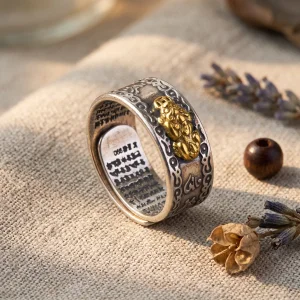
Feng Shui Pixiu Ring: 990 Silver Mantra Ring, Adjustable US 8–13
Original price was: $65.95.$46.95Current price is: $46.95.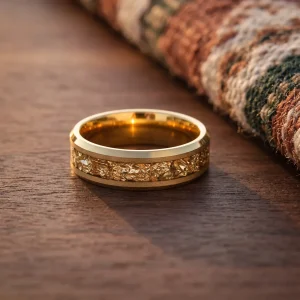
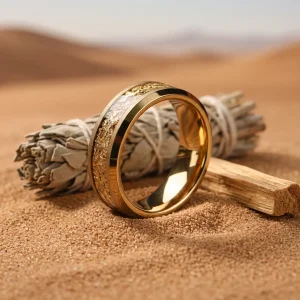
Sandblasted Tungsten Ring – Gold Leaf Good Luck Band
Original price was: $136.95.$122.95Current price is: $122.95.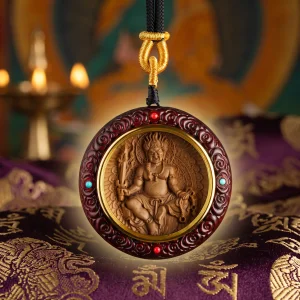
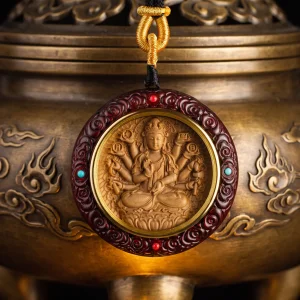
Zodiac Guardian Buddha Pendant: Hand-Carved Red Sandalwood Birth-Year Patron
Original price was: $96.95.$82.95Current price is: $82.95.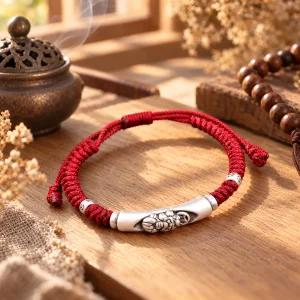
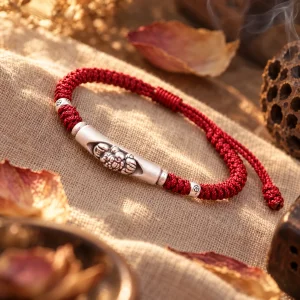
Silver Pixiu Handwoven Bracelet – S999 Fine Silver Pixiu & Ancient Coin Charm
Original price was: $125.95.$97.95Current price is: $97.95.Recently Viewed Products
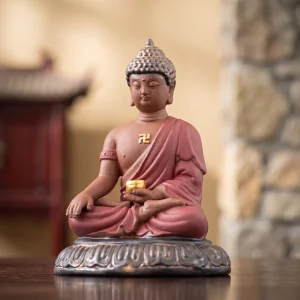
Ceramic Shakyamuni Buddha Statue: Handcrafted Earth-Touching Buddha with Alms Bowl (6.9 in)
Original price was: $113.95.$89.95Current price is: $89.95.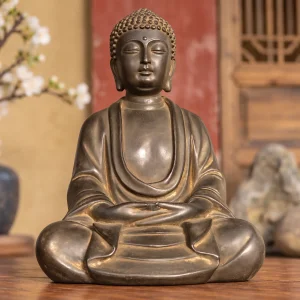
Seated Buddha Statue – Antique Stone Finish for Meditation & Peace
Original price was: $206.95.$188.95Current price is: $188.95.
Lotus Meditation Cushion: Cotton-Linen Floor Seat
Original price was: $134.95.$120.95Current price is: $120.95.
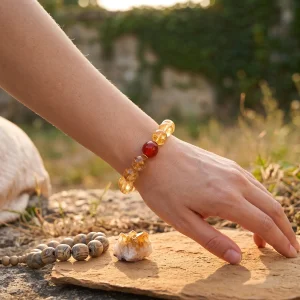
Natural Citrine & Red Agate Bracelet – Wealth Blessing Bracelet
Original price was: $96.95.$76.95Current price is: $76.95.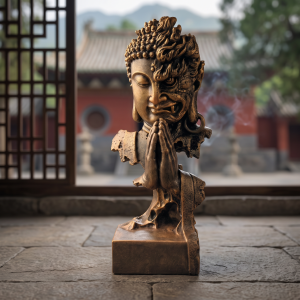
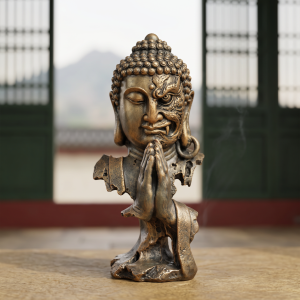
One Thought Buddha & Demon Statue | Solid Sandstone Half Buddha Half Demon Meditation Sculpture
Original price was: $235.95.$205.95Current price is: $205.95.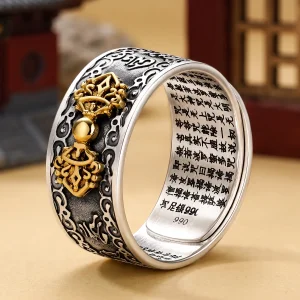
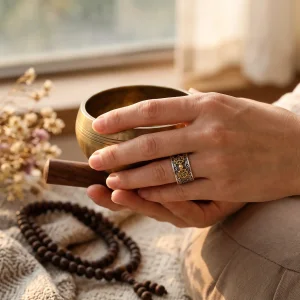
Buddhist Heart Sutra Ring - Calm & Focus
Original price was: $170.95.$150.95Current price is: $150.95.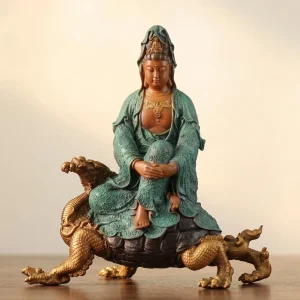
Longevity Guanyin on Loong Turtle – Handcrafted Copper Sculpture for Peace & Stability
Original price was: $725.95.$699.95Current price is: $699.95.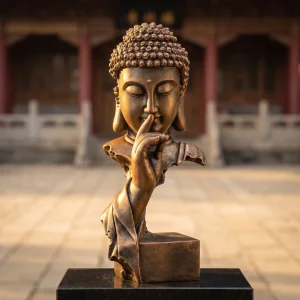
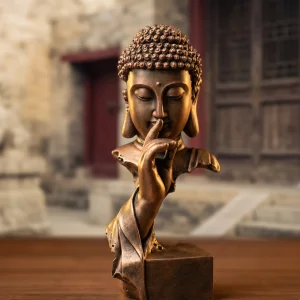
Shaolin Quiet Sakyamuni Statue: Bronze-Tone Qingsha Stone Buddha Bust with Silence Gesture
Original price was: $250.95.$195.95Current price is: $195.95.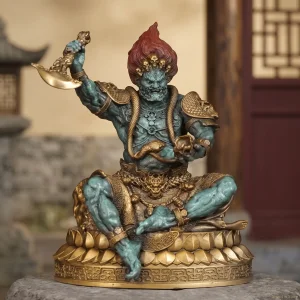
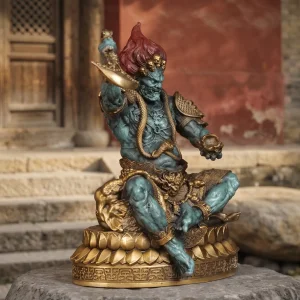
Handcrafted Copper Mahakala Sculpture – Seated Protector Statue for Home, Altar & Meditation Space
Original price was: $465.95.$425.95Current price is: $425.95.
Reviews
There are no reviews yet.